 EN
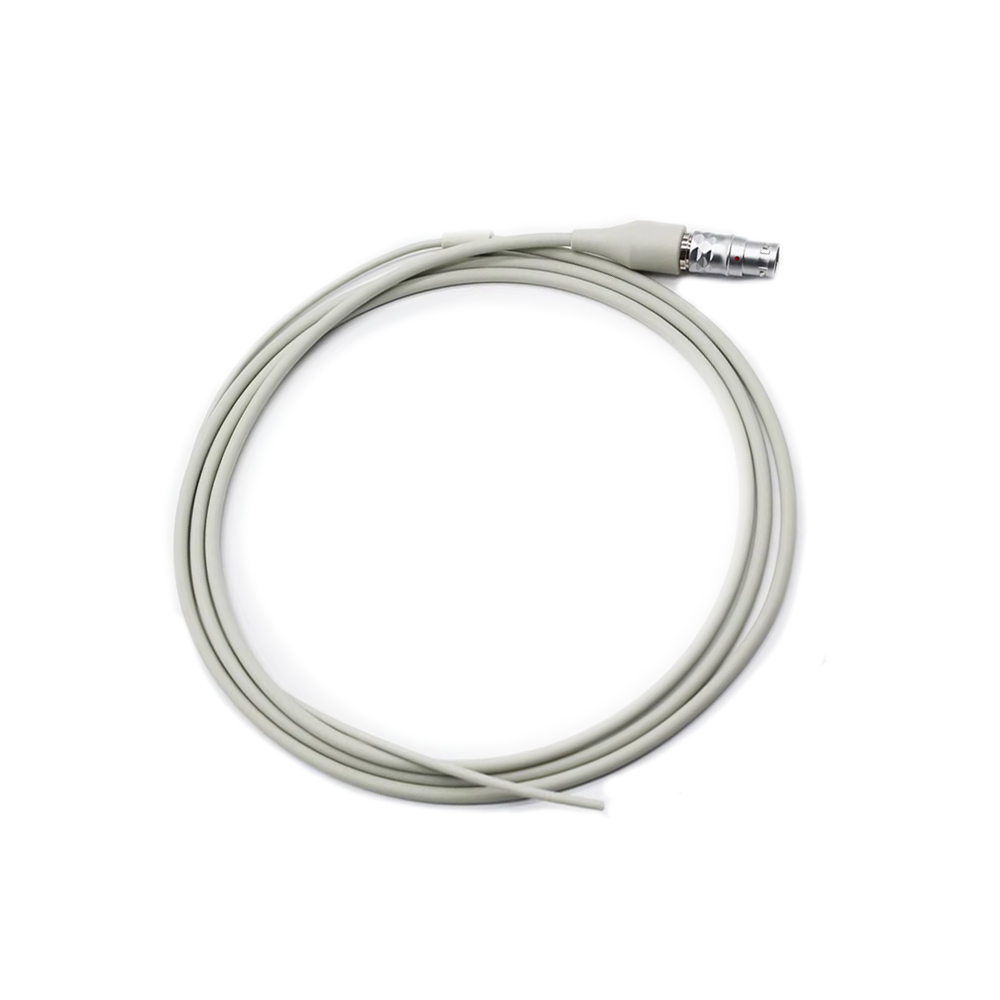


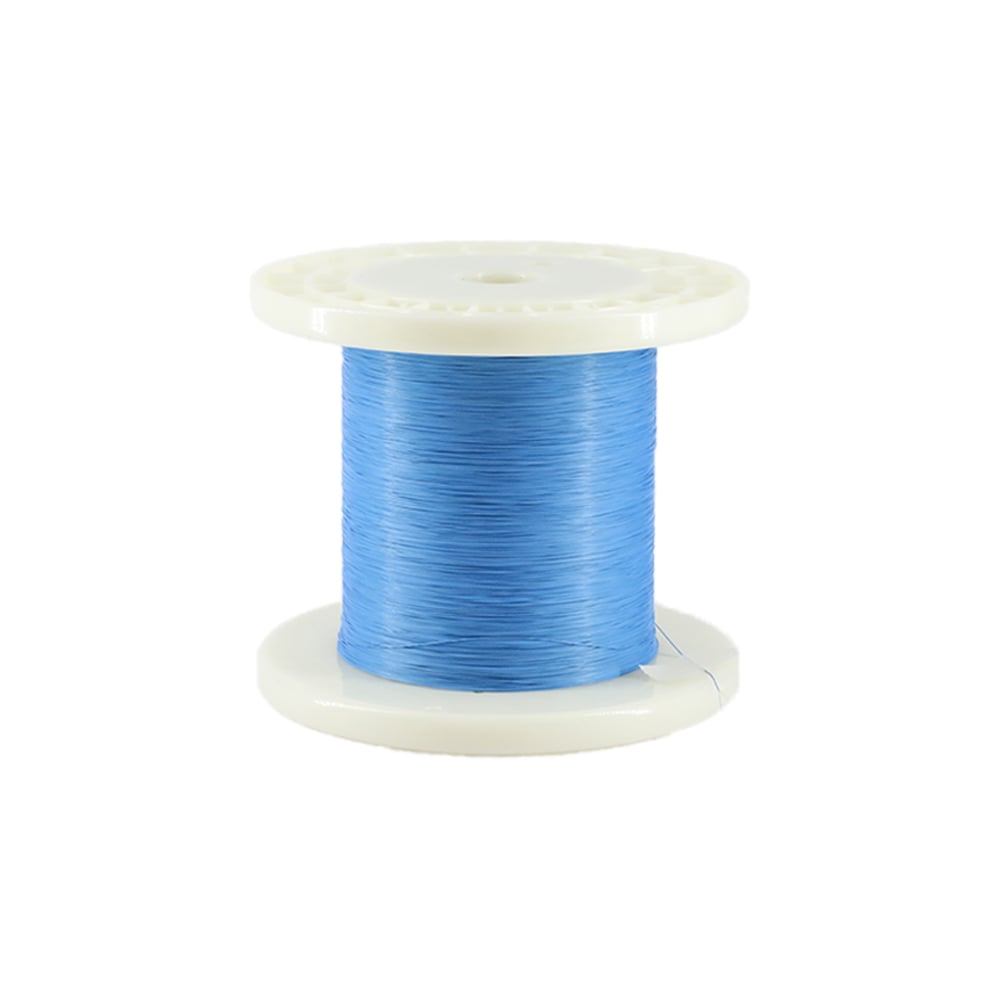
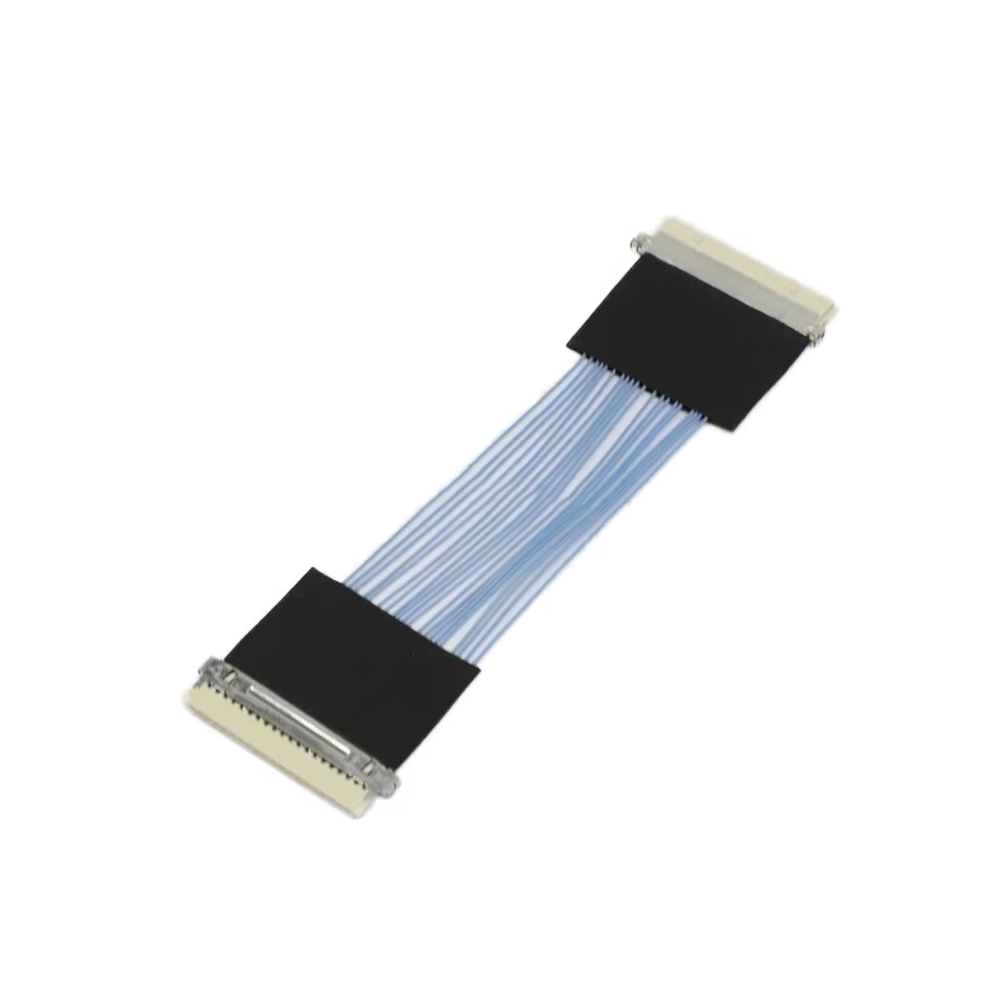
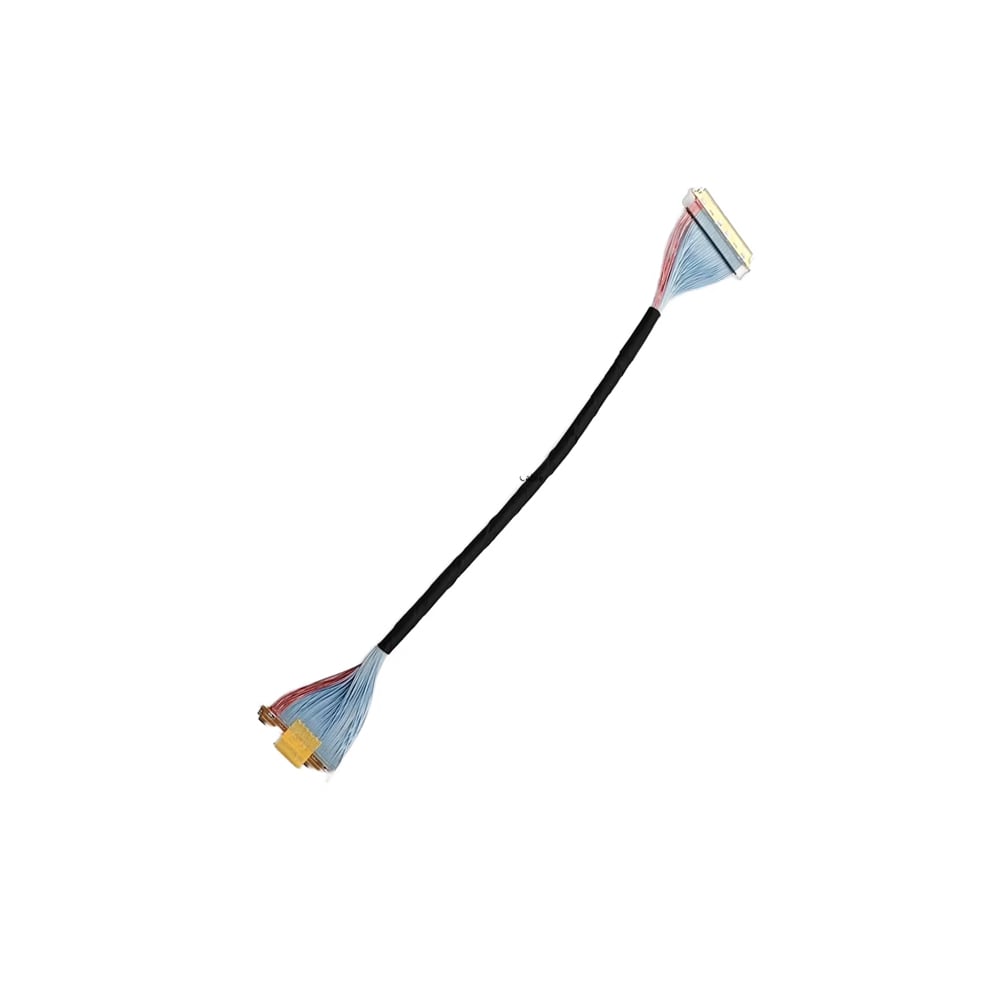
Hotten 4C Silicone Outer Sheath Ultrasound Cable Micro Coaxial Cable for Ultrasound Probe
| Procurement Item | Recommended Information |
|---|---|
| Application | Ultrasound Probe / Medical Imaging |
| Cable Type | 4C Micro Coaxial Ultrasound Probe Cable |
| Core Count | 4C |
| Structure | Micro Coaxial |
| Conductor | Material / AWG |
| Insulation | Required material |
| Shielding | Individual / overall shield requirements |
| Jacket | Silicone |
| Flexibility | Soft / flexible requirement |
| Cable OD | Target / maximum |
| OD Tolerance | Required tolerance |
| Cable Length | Finished length |
| Connector | Manufacturer / part number |
| Pinout | Channel assignment |
| Termination | Required assembly method |
| Bending | Static / dynamic requirement |
| Prototype Quantity | Engineering sample quantity |
| Production Volume | Expected recurring demand |
| Testing | Electrical / dimensional / mechanical requirements |
| Name | Material |
| Conductor | Silver plated copper |
| Tinned copper | |
| Silver plated copper alloy | |
| Tinned copper alloy | |
| Insulation | Teflon:PTFE/ePTFE/FEP/PFA |
| Shield | Tinned copper/Silver plated copper |
| CU/PET、 AL/PET | |
| Sheath | PFA/FEP/PTFE |
| Jacket | PVC/TPU/TPE/Silicone/PFA/FEP |
- Overview
- Recommended Products
Number of active signal channels
Channel assignment
Conductor size
Dielectric requirement
Shielding structure
Shield termination
Grounding method
Connector pinout
Cable length
Inner conductor diameter
Insulation thickness
Coaxial diameter
Shielding material
Shield coverage
Overall cable OD
Channel-to-channel spacing
Bending behavior
Signal type
Frequency range
Cable length
Channel count
Required impedance, where applicable
Capacitance requirement, where applicable
Shielding requirement
Connector type
Grounding configuration
Individual coaxial shielding
Overall shielding
Shield material
Shield coverage
Shield termination
Ground connection
Crosstalk requirements
EMI requirements
Required softness
Minimum bending radius
Static or dynamic movement
Bending frequency
Probe-side routing
Cable exit direction
Strain-relief requirements
Environmental exposure
Target OD
Maximum allowable OD
OD tolerance
Internal routing space
Probe housing dimensions
Cable exit dimensions
Minimum bending radius
Repeated bending
Cable pulling
Local compression
Strain relief
Connector transition
Jacket integrity
Internal conductor movement
Connector manufacturer
Connector series
Part number
Contact count
Pitch
Pin assignment
Mating interface
Connector orientation
Termination method
Shield termination
Strain relief
4C configuration
Micro coaxial structure
AWG
Conductor material
Insulation
Shielding
Silicone jacket
Cable OD
Cable length
Connector
Pin assignment
Termination
Strain relief
Prototype samples
Production configuration
Ultrasound probe model
Application
4C channel configuration
Signal type
Conductor size
Insulation requirement
Micro coaxial structure
Shielding requirement
Silicone jacket requirement
Target cable OD
OD tolerance
Cable length
Bending requirement
Connector part number
Pinout
Termination drawing
Mechanical routing drawing
Prototype quantity
Expected production volume
Required testing
◆ 4 Core Silicone Ultrasound Probe Cable
Flexible Micro Coaxial Cable Solution for Medical Ultrasound Applications
HOTTEN 4 Core Silicone Ultrasound Probe Cable is designed for medical ultrasound probes and precision imaging equipment, providing stable signal transmission, excellent flexibility and reliable long-term performance.
Based on micro coaxial cable technology, this cable achieves a compact structure while maintaining excellent electrical performance, making it suitable for modern medical devices requiring high-density signal transmission.
◆ Key Advantages
✓ Micro coaxial cable structure for stable signal transmission
✓ Soft silicone outer jacket for excellent flexibility and durability
✓ Compact cable design suitable for medical probe applications
✓ Reliable shielding performance to reduce signal interference
✓ Customized cable solutions available for OEM medical equipment manufacturers
◆ Product Features
High Flexibility Silicone Cable Design
The silicone outer jacket provides excellent softness and bending performance, making the cable suitable for handheld medical devices that require frequent movement and repeated operation.
Stable Signal Transmission
HOTTEN micro coaxial cable technology uses optimized conductor structures, insulation materials and shielding designs to maintain reliable signal integrity for medical imaging applications.
Compact Structure for Medical Devices
With a small diameter and high-density structure, this ultrasound probe cable helps equipment manufacturers achieve compact and lightweight product designs.
◆ Applications
This 4 Core Silicone Ultrasound Cable is suitable for:
● Ultrasound probe systems
● Medical imaging equipment
● Diagnostic ultrasound devices
● Portable ultrasound equipment
● Precision medical instruments
◆ Customized Cable Solutions
Different medical devices require different cable structures and performance specifications.
HOTTEN provides customized solutions including:
✓ Core number customization
✓ AWG size selection
✓ Cable length customization
✓ Conductor material selection
✓ Shielding structure optimization
✓ Silicone, PFA, FEP and other jacket materials
From prototype development to mass production, HOTTEN supports customers with professional cable engineering services.
◆ Technical Information
Typical cable structures can be customized according to application requirements.
Available options include:
● Micro coaxial cable structure
● Multi-core cable design
● Customized impedance requirements
● Different insulation and jacket materials
● OEM cable assembly solutions
Engineering & Procurement Considerations
What Engineers Should Consider When Selecting a 4C Silicone Micro Coaxial Ultrasound Probe Cable
A 4C silicone micro coaxial ultrasound probe cable is designed for compact ultrasound probe and imaging applications where several signal channels must be routed through a small, flexible cable structure.
For ultrasound probe integration, cable selection should balance micro coaxial construction, signal integrity, flexibility, cable diameter, shielding, insulation, connector termination and long-term mechanical reliability.
The 4C configuration is particularly relevant where a compact number of coaxial channels is required within a flexible probe interconnect.
Product Configuration
| Item | Specification |
|---|---|
| Product Type | Medical Ultrasound Probe Cable |
| Core Configuration | 4C |
| Cable Structure | Micro Coaxial |
| Outer Jacket | Silicone |
| Flexibility | Flexible / Soft |
| Application | Ultrasound Probe / Medical Imaging |
| Cable Length | Customized |
| Cable Diameter | Customized |
| Connector / Termination | Customized |
Key Engineering Requirements
| Engineering Requirement | Key Considerations |
|---|---|
| 4-Channel Configuration | The four micro coaxial channels should match the electrical architecture of the ultrasound probe. |
| Micro Coaxial Structure | Compact coaxial construction helps integrate multiple signal paths into limited probe space. |
| Signal Integrity | Conductor geometry, dielectric structure, shielding and termination should be evaluated together. |
| Silicone Jacket | Silicone construction can support soft and flexible cable routing within probe assemblies. |
| Flexibility | The finished cable should support the required probe movement and cable routing conditions. |
| Compact OD | Cable diameter should remain compatible with the probe housing and internal routing space. |
| Shielding | Shield construction should be matched to the sensitivity of the ultrasound signal path. |
| Connector Integration | Connector part number, pinout and termination should be controlled during assembly. |
| Mechanical Reliability | Cable exits, bends and strain-relief areas should be designed to reduce mechanical stress. |
4C Micro Coaxial Configuration Considerations
The four coaxial channels should be defined according to the customer's ultrasound system architecture.
The engineering team should clarify:
A detailed cable drawing is preferred when the cable is part of a customized ultrasound probe assembly.
Micro Coaxial Construction Considerations
The micro coaxial architecture is an important part of the electrical and mechanical performance of the cable.
Engineers should evaluate:
Because several coaxial channels are combined in a single cable, dimensional consistency between channels is important for repeatable manufacturing.
Signal Integrity Considerations
Ultrasound probe cables carry sensitive imaging-related electrical signals. The cable should therefore be evaluated as part of the complete probe signal path rather than as an isolated wire.
Relevant RFQ information may include:
Where the ultrasound system specifies electrical performance limits, those values should be included in the cable specification and validated during engineering samples.
Shielding and Crosstalk Considerations
A 4C micro coaxial cable contains multiple closely arranged signal channels, making shielding and channel separation important.
Customers should clarify:
The final shielding structure should be selected together with the signal frequency, cable geometry and connector design.
Silicone Jacket and Flexibility
Silicone is especially relevant when the cable must remain soft and flexible inside or near an ultrasound probe.
Engineering teams should define:
The jacket should provide the required flexibility without compromising the internal micro coaxial geometry.
Cable Diameter and Probe Integration
For a compact ultrasound probe, available routing space can be limited.
The finished OD depends on the combined structure of:
4C Micro Coaxial Channels + Insulation + Shielding + Silicone Jacket
Customers should specify:
A stable OD is important not only for assembly but also for repeatable mechanical routing.
Mechanical Reliability
The transition between the probe body and the cable is typically a mechanically sensitive area.
The design should consider:
For applications involving repeated probe handling, prototype validation under representative bending conditions is recommended.
Connector and Termination Considerations
The connector interface should be specified together with the 4C micro coaxial cable rather than treated as a separate procurement item.
Customers should provide:
For micro coaxial assemblies, termination consistency is particularly important because assembly variation can affect both mechanical fit and electrical performance.
Key Procurement Parameters
| Procurement Item | Recommended Information |
|---|---|
| Application | Ultrasound Probe / Medical Imaging |
| Cable Type | 4C Micro Coaxial Ultrasound Probe Cable |
| Core Count | 4C |
| Structure | Micro Coaxial |
| Conductor | Material / AWG |
| Insulation | Required material |
| Shielding | Individual / overall shield requirements |
| Jacket | Silicone |
| Flexibility | Soft / flexible requirement |
| Cable OD | Target / maximum |
| OD Tolerance | Required tolerance |
| Cable Length | Finished length |
| Connector | Manufacturer / part number |
| Pinout | Channel assignment |
| Termination | Required assembly method |
| Bending | Static / dynamic requirement |
| Prototype Quantity | Engineering sample quantity |
| Production Volume | Expected recurring demand |
| Testing | Electrical / dimensional / mechanical requirements |
OEM Customization
HOTTEN can customize the cable according to ultrasound probe drawings, electrical requirements and mechanical integration conditions.
Customization may include:
For OEM projects, the cable can be developed according to the customer's probe housing, routing space and electronic interface.
Supplier Evaluation Checklist
When evaluating a supplier for a 4C silicone micro coaxial ultrasound probe cable, procurement teams should verify:
① Micro Coaxial Manufacturing Capability
Can the supplier consistently manufacture small coaxial structures with controlled dimensions?
② Multi-Channel Consistency
Can the supplier maintain consistent geometry across all four channels?
③ Silicone Cable Capability
Can the supplier provide the required soft and flexible silicone construction?
④ Shielding Capability
Can the supplier control coaxial shielding and shield termination for sensitive signal applications?
⑤ Connector Assembly
Can the supplier accurately terminate miniature connectors and maintain the required pinout?
⑥ Ultrasound Application Experience
Does the supplier understand the mechanical and electrical requirements of ultrasound probe cables?
⑦ Prototype-to-Mass-Production Support
Can the supplier support development samples as well as stable recurring production?
Recommended RFQ Information
For efficient quotation and engineering evaluation, customers should provide:
The most useful RFQ combination is:
4C + Micro Coaxial + Silicone + Ultrasound Probe + Cable OD + Cable Length + Connector + Pinout
HOTTEN Engineering Support
HOTTEN provides customized micro coaxial ultrasound probe cables for medical imaging applications, including compact multi-channel cable constructions.
For this 4C configuration, engineering development focuses on the interaction between micro coaxial geometry, shielding, silicone flexibility, cable diameter and connector termination.
Customers can provide the ultrasound probe drawing, cable routing requirements and connector information for engineering evaluation, prototype development and customized production.






Engineering & Procurement Considerations
Why is micro coaxial cable used in ultrasound probe connections?
Micro coaxial cable can provide individually structured signal paths within a compact cable construction. For ultrasound probes, this can help engineers integrate the required electrical connections while managing the limited space available around the probe and its connection interface.
What are the advantages of a 4-core ultrasound probe cable?
A 4-core configuration provides a compact multi-conductor connection for ultrasound probe applications where a lower number of electrical paths is required. Compared with high-core-count probe cables, the appropriate structure depends on the specific electrical interface and system architecture.
Why is a silicone outer sheath useful for an ultrasound probe cable?
A silicone outer sheath can provide a soft and flexible external structure for applications where the cable needs to accommodate movement and routing around the probe. Engineers should evaluate the sheath together with the conductor construction, bending requirements, cable diameter, and operating environment.
How should engineers design a flexible micro coaxial ultrasound cable?
The design should balance electrical requirements with mechanical constraints. Conductor structure, dielectric and insulation materials, shielding, outer sheath, cable diameter, minimum bending radius, and termination method should all be considered together rather than selecting the cable based on flexibility alone.
What should be considered when routing a 4-core cable inside an ultrasound probe assembly?
Engineers should confirm the available installation space, cable entry position, bending path, connector location, required cable length, and potential mechanical stress at the termination points. These factors help determine the appropriate cable geometry and assembly configuration.
What information should buyers provide when sourcing a custom 4-core micro coaxial ultrasound cable?
The RFQ should define the 4-core configuration, micro coaxial construction, silicone outer sheath requirement, conductor specifications, electrical characteristics, cable diameter, length, shielding requirements, connector interface, pin assignment, bending requirements, and termination method. A drawing or sample can help the manufacturer verify the required mechanical and electrical interface.
◆ Why Choose HOTTEN
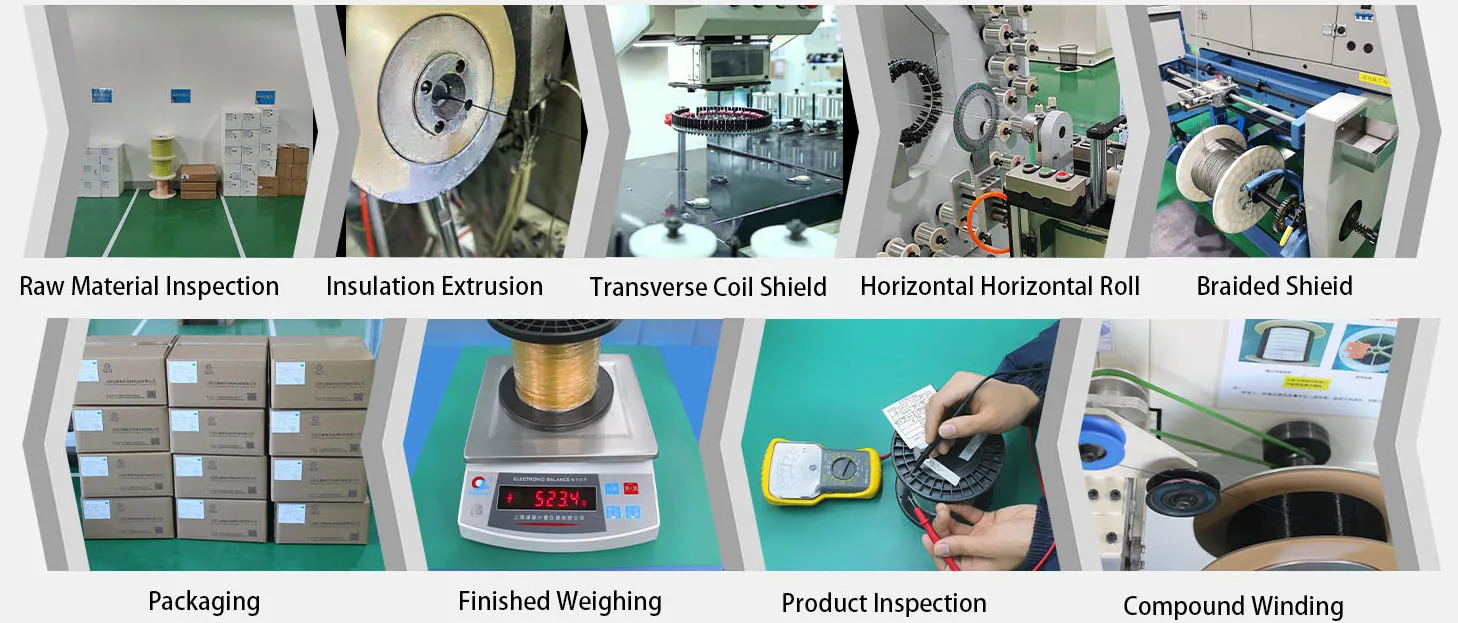
HOTTEN specializes in high-precision electronic wires, micro coaxial cables and customized medical cable solutions.
Our capabilities include:
✓ Micro coaxial cable manufacturing
✓ Ultra-fine wire processing
✓ Precision extrusion technology
✓ Cable structure development
✓ Prototype validation and mass production
◆ FAQ
Q:What is an ultrasound probe cable?
A:An ultrasound probe cable connects the ultrasound transducer probe with the imaging system and transmits electrical signals required for medical image generation.
Q:Why are micro coaxial cables used in ultrasound probes?
A:Micro coaxial cables provide compact size, excellent shielding performance and stable signal transmission, making them suitable for high-precision medical imaging devices.
Q:Can HOTTEN customize ultrasound probe cables?
A:Yes. HOTTEN provides customized medical cable solutions according to customer requirements, including cable structure, conductor materials, shielding design and jacket materials.