
 EN
EN
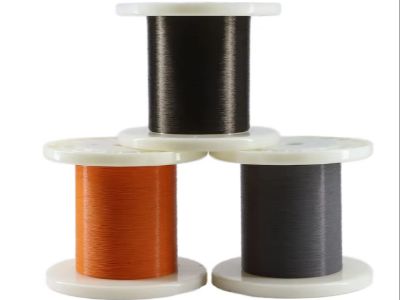
Ultra small wires used in many electronic devices are known as micro coaxial cables. They are like regular coaxial cables, but nano-sized! So, what are micro coaxial cables and why are they all the rage?
What exactly are micro coaxial cables?
The difference between micro coaxial cables and typical coaxial cables is that the former are much smaller in structure. These are often used in devices that need to be extremely small and light. These tiny cables send signals and data on the same principles as bigger cables, but are smaller and more flexible. They are ideal for small electronics such as smartphones, cameras, and GPS devices.
Q. What is the role of micro coaxial cables?
Micro coaxial cables are used in various devices and equipment. They are used in medical devices such as endoscopes and ultrasound machines, for example. These systems are in use in various applications from space to air and ground level. And you find micro coax cable assembly in consumer electronics such as tablets, laptops, and smartwatches. As a result, they enable various components of these devices interact and work with each other seamlessly.
Why Use Micro Coaxial Cables?
Micro coaxial cables have a lot of benefits. A major advantage is their small size, which enable smaller and lighter electronics. This is critical in devices such as drones and wearables with limited space. Micro coax ribbon cable provide high-speed data transmission with minimal signal loss, so they are ideal for devices that require rapid, effective communication. Also, they are durable and able to withstand harsh conditions which makes them ideal for many environments.
What impact do micro coaxial cables have in reducing the size of electronics?
Micro coaxial cable technology is essential to the development of smaller, high-performance electronics. Using these miniature cables, manufacturers can create more compact and portable devices without sacrificing performance. Micro micro coax distributor are being adopted in new technologies such as 5G networks, IoT devices, and virtual reality systems for this reason. Micro coaxial cables enable electronic devices to grow smaller, speedier, and more powerful.
Conversion Of Micro Coaxial Cables By Technology
Micro coaxial cables technology improves as well. These cables are getting better all the time, thanks to new materials, manufacturing methods and signal processing. This translates to speedy data transfer, superior signal quality, and greater dependability in electronic devices. Micro Coaxial Cables of the Future:They are going to be even smaller and better
FAQ
1. What is a micro coaxial cable?
A micro coaxial cable is a miniature coaxial cable designed to transmit electrical signals in compact electronic systems where space and weight are limited.
2. How is a micro coaxial cable different from a standard coaxial cable?
The main difference is the smaller overall diameter and miniature internal structure. Micro coaxial cables are designed for applications that require compact routing, flexibility, and reliable signal transmission.
3. Where are micro coaxial cables used?
Micro coaxial cables are used in medical equipment, endoscopes, ultrasound systems, industrial cameras, consumer electronics, robotics, UAVs, displays, RF systems, and other space-constrained applications.
4. What are the main advantages of micro coaxial cables?
Their main advantages include compact size, low weight, flexible routing, controlled electrical characteristics, and suitability for high-density electronic systems.
5. Are micro coaxial cables suitable for high-speed signals?
Yes. Properly designed micro coaxial cables can support high-frequency and high-speed signal transmission while helping maintain signal integrity in compact systems.
6. Why are micro coaxial cables important for miniaturized electronics?
Their small diameter allows engineers to route signal cables through limited spaces, helping manufacturers reduce device size without eliminating necessary electrical connections.