
 EN
EN
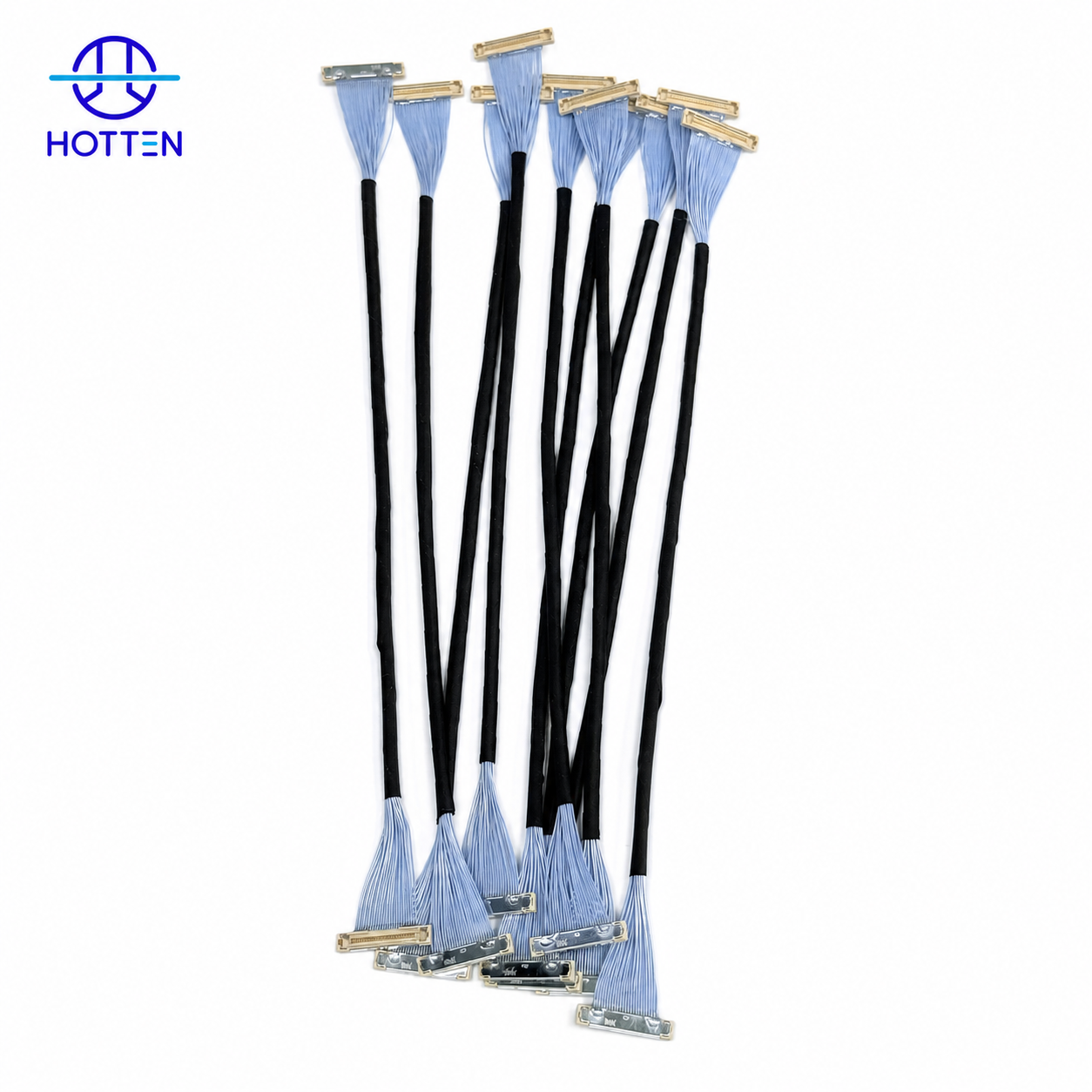
Ultrasound technology has come a long way, evolving from bulky, low-resolution devices to powerful imaging systems that deliver high-quality diagnostic information. One fundamental yet often overlooked aspect of this development is the micro coaxial cable. These ultra-fine and high performance cables are serve as the primary neural pathways connecting the ultrasound transducer array to the imaging system and transmitting delicate electrical signals. In the case of Hotten Electronic Wire, which provides custom-engineered cable solutions within a 10,000 m² facility and HOTTEN develops customized micro coaxial and medical cable solutions for ultrasound and other precision medical applications, mastery of micro coaxial cable technology is essential to supporting next-generation medical imaging.
Signal Integrity and Image Quality
The diagnostic value of an ultrasound image depends directly on how faithfully signals reach the processing system. The key challenge of preserving high frequency signals in a small size is met by using micro coaxial cables, which are specially designed to preserve the signal in the path. multiple micro coaxial cables are bundled together within an overall shield and jacket to form a typical ultrasound probe cable. Each micro coaxial cable is shielded with a robust construction, usually consisting of a silver-plated copper alloy conductor, fluoropolymer insulation and dual-layer shielding, which provides exceptional protection against electromagnetic interference (EMI) and crosstalk. Optimally designed shields can achieve shielding effectiveness exceeding 90 dB of shielding effectiveness, allowing low-level echo signals returning from the transducer to reach the imaging system with minimal loss and maximum fidelity. The R&D team at Hotten develops over 300 new cable specifications each year, to meet the unique signal frequency and bandwidth requirements of ultrasound applications, ranging from diagnostic imaging to specialized interventional applications.
Miniaturization and Probe Ergonomics
The demand for ultra small, more comfortable, and more capable ultrasound probes has driven the need for micro coaxial cables. As probe functionality expands to accommodate more electronic channels, cable assemblies risk becoming unwieldy in ways that compromise probe ergonomics. Micro coaxial cables of the smallest conductor available (as low as 54 AWG) allow for high density signal routing in the probe head and connecting cable. This miniaturization directly answers a major clinical concern: a 2018 report from the Society of Diagnostic Medical Sonography, as many as 90% of clinical sonographers experience symptoms of symptoms of work-related musculoskeletal disorders, frequently attributed to cumbersome, heavy equipment. Micro coaxial cable technology not only delivers the same performance with a smaller diameter but also helps alleviate clinician fatigue and improve procedural outcomes. Hotten's ability to manufacture precision components ensures that these ultra-fine conductors are produced within tight tolerances, guaranteeing consistent electrical performance across every unit manufactured.
Thermal Management and Durability
In addition to signal transmission, micro coaxial cables in ultrasound probes play an equally critical role in thermal management. Studies have shown that optimizing braid shielding materials and employing appropriate thermal coupling techniques can improve heat transfer and dissipation by at least 40% and by using suitable thermal connection techniques. Advanced 3D and 4D imaging probes that produce much greater heat loads are especially in need of this thermal management capability. Further, the ultrasound cable needs to withstand the rigorous clinical environment such as repeated autoclave, EtO or gamma irradiation cycles. while remaining flexible and structurally intact. It can test for flex-life, electrical performance and much more as part of its quality assurance process to guarantee long-term reliability.
Custom Engineering for Next-Generation Applications
In the future, specialized applications for ultrasound imaging, including intravascular ultrasound (IVUS), intracardiac echocardiography (ICE) and point-of-care systems, will require custom-engineered micro coaxial cable solutions. For example, ASIC-integrated designs have been developed to connect 64 ultrasonic transducer elements to a 3D imaging system through a single micro coaxial cable assembly compact enough to fit within a 1.5 mm diameter catheter. For such demanding applications, standard cable products are not enough – it takes collaborative engineering partnerships. Prior to any design work, engineers systematically evaluate signal requirements, mechanical constraints, sterilization compatibility, and regulatory compliance considerations, mechanical limitations, sterilization, and how the device fits within the regulatory framework. From application analysis and cable structure design to material selection and validation, micro coaxial cable manufacturers play a crucial role in advancing medical imaging technology by providing strategic support.