
 EN
EN
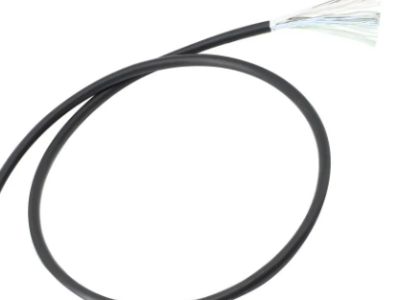
RF Coaxial cables are used in connecting electronic devices to other routed points like radios with antennas etc. Flexible and Semi-Rigid are the two primary category types of RF coaxial cables. However, what is the difference between them? Let's find out!
An Introduction To RF Coaxial Cables
The RF (radio frequency) coaxial cable can be viewed as a tunnel for the electrical signals between two electronic devices, such as radio transmitters and receivers. Inside both types is a center wire surrounded by insulation and a metal shield. The shield protects the signal from noise generated by outside sources. While HOTTEN flexible coaxial cable are easy to bend and convenient to use, semi-rigid will not move from the place unlike Flexible ones.
Flexible RF Coaxial Cable Uses
An RF Coaxial cable is the best option when you have to move or bend the cable considerably(mostly suitable for a car, and Robot as a use case). They are also good for tight spaces where a rigid cable would not fit. Light weight and ease of installation make flexible cables a popular choice for many applications.
Features Of Semi-Rigid RF Coaxial Cable
Although semi-rigid RF coaxial cables are still bendable, they are less flexible and hold their shape better than flexible cables. This is why you may prefer these cables, especially as they are suited for applications where you need the cable to remain in one place and does not get jostled around a lot. For high-frequency applications, where you want to minimize the signal loss gravel-path cables are semi-rigid.
Selecting Cable for Your Application
Consideration should be given to how the cable will be utilized when determining whether flexible and semi rigid cable are best suited. An easily-flexible cable should be the choice if you need to move the cable a lot or work in a tight space. When choosing what type of cable to use a semi-rigid cable is advisable if you need a signal loss low and the cable not moving around.
How does performance and durability compare with RF Coaxial Cables?
Flexible and semi-rigid RF coaxial cables each have their own characteristics with respect to performance and durability. Flexible cables are best for flexibility and easy installations, conversely semi rigid coax are perfect for maintaining signal integrity with minimum loss. When deciding between the two different types of cables, remember to take your needs and applications into account.
In general, flexible and semi-rigid RF coaxial cables have their own characteristics, they are suitable for different application scenes. Before you finalize your own decision, do a quick research and learn the basic knowledge of RF coaxial cables and compare the benefits and features of each type. If you opt for a flexible cable due to its convenience in operation or semi-rigid coupler in terms of signal purity and durability, ensure you take the right option based on your requirement.