 EN
EN
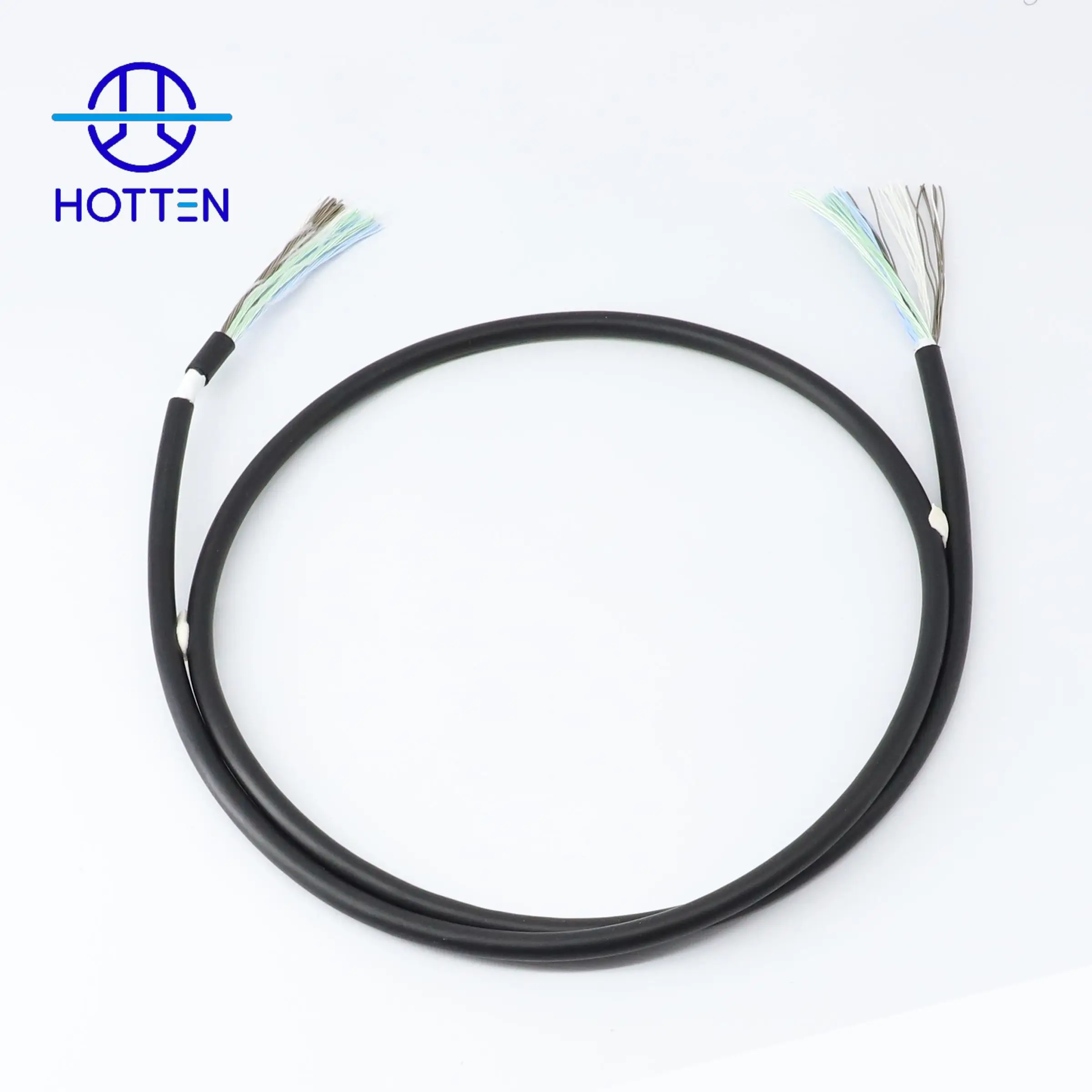
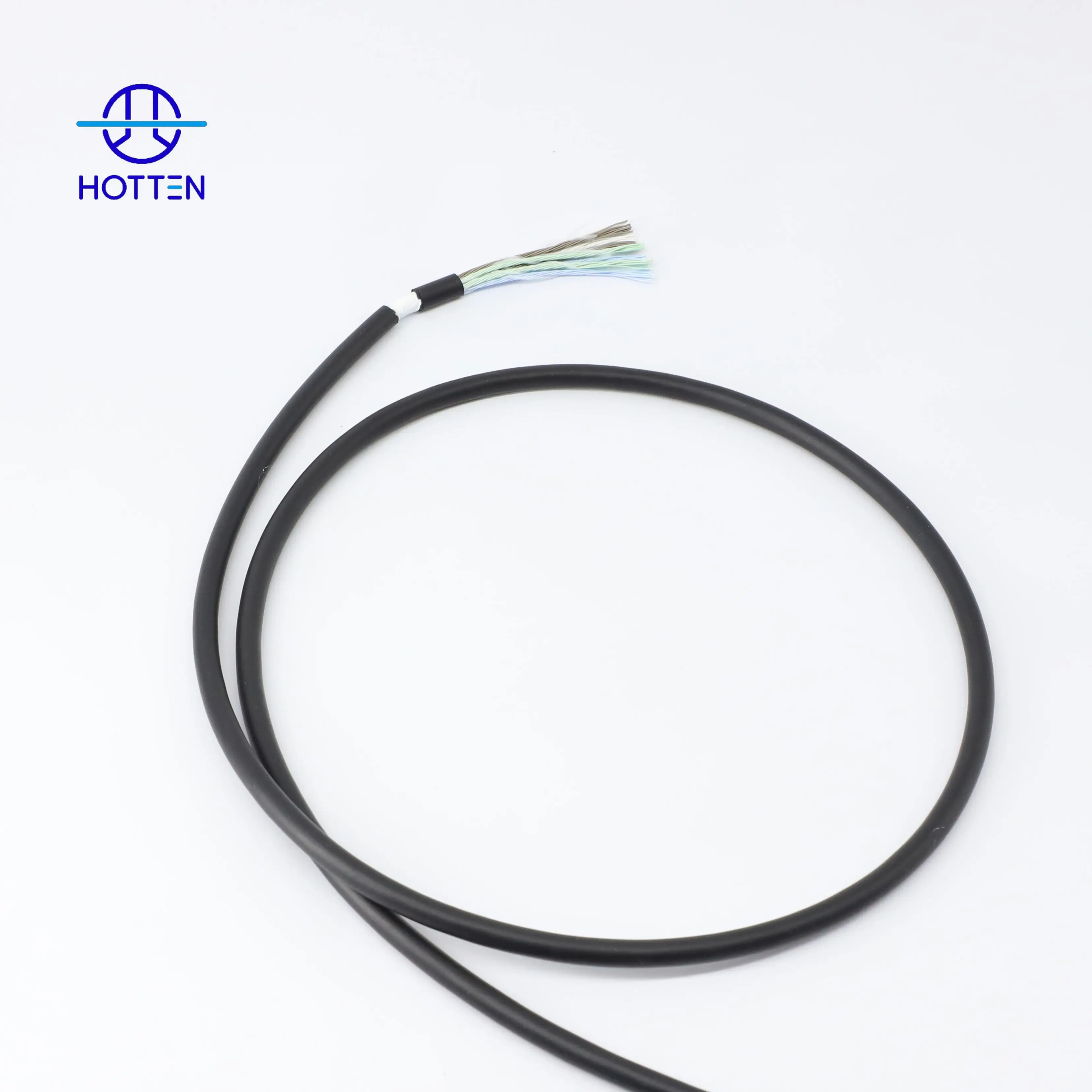
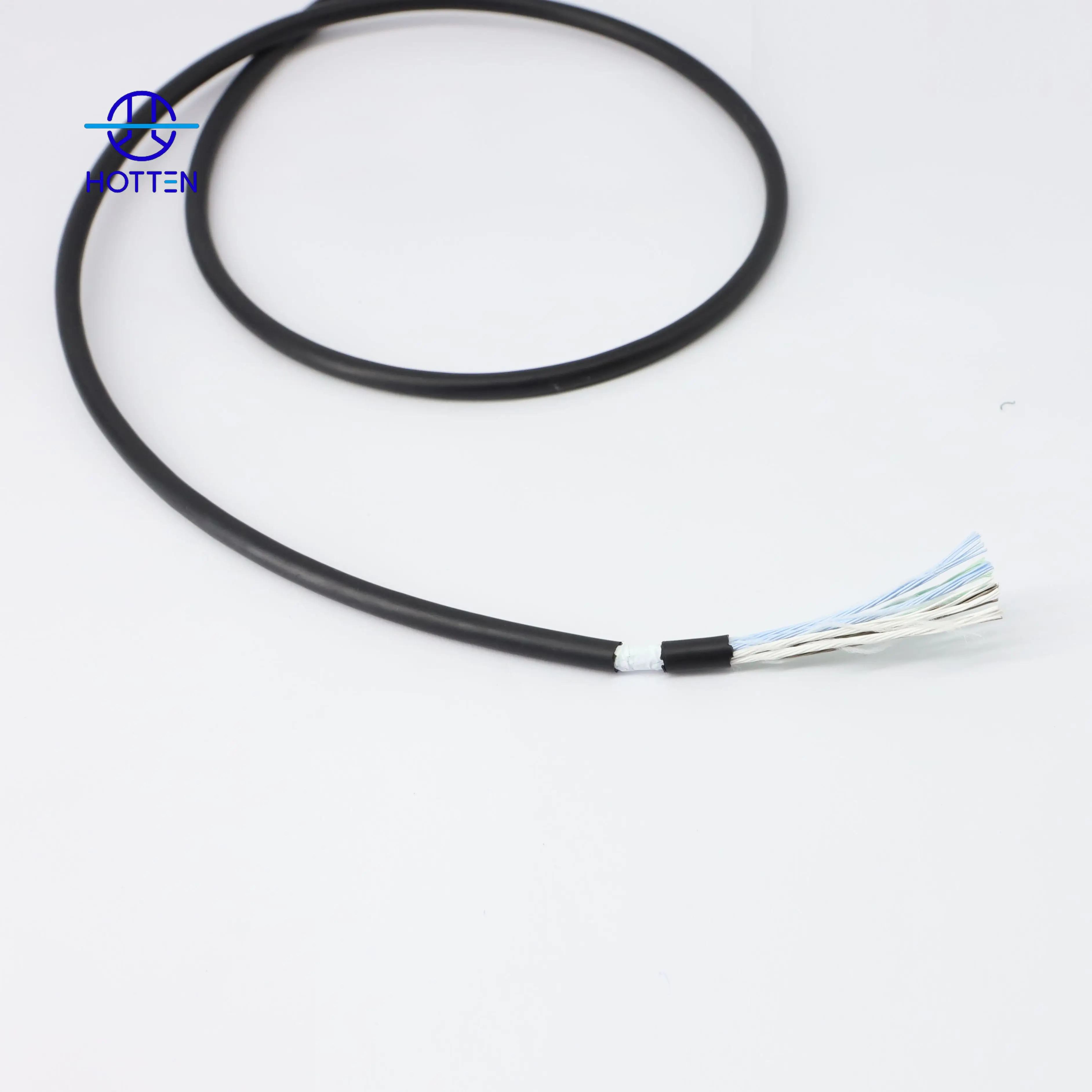
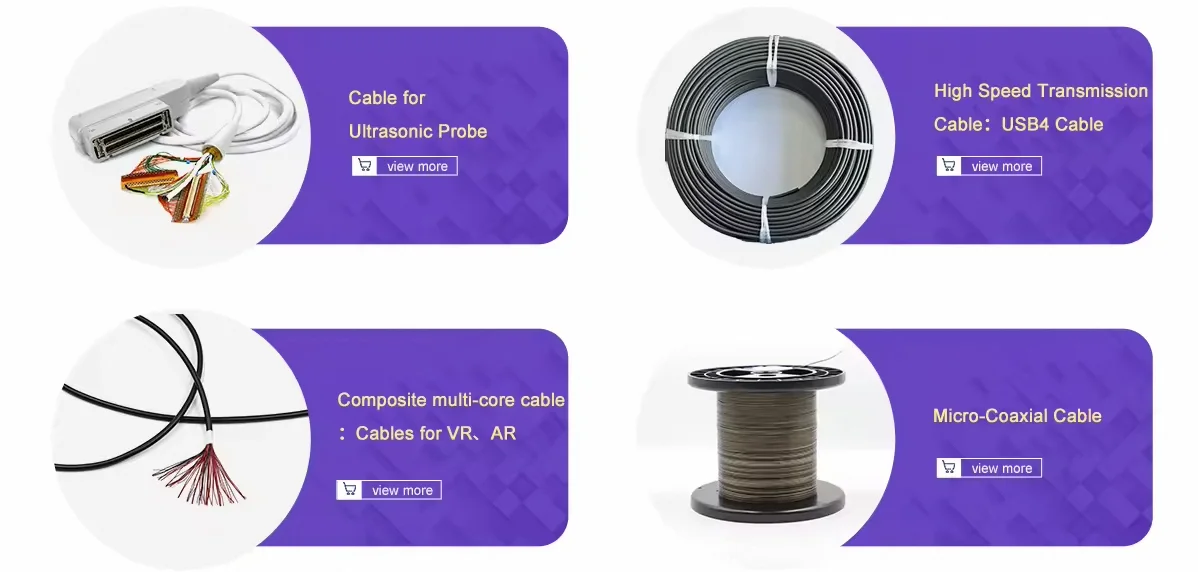
Hotten Electronic Wire Technology(jiangsu)Co.,LTD founded in 2018, is located in Suzhou, Jiangsu Province, enjoying convenient transportation and beautiful environment. Our company covers an area of 5000 square meters, the number of employees is 52. We are mainly engaged in cable development, sales and service. Our company has rich experience in the wire and cable industry. The main products include high-speed transmission cables, cables for medical equipment,Micro Coaxial Cable, special composite multi-core cables, Micro electronic wires. In addition, we are also committed to developing new products to meet the different requirements of different customers. In addition, we also obtained ISO9001 and UL certificates, through the network analyzer, voltage tester, tensile testing machine, bending testing machine, aging testing machine equipment to strictly control the quality of products. We adhere to the principle of mutual benefit and enjoy a good reputation among our customers because we provide professional service, high quality products as well as competitive prices. Warmly welcome domestic and foreign customers to cooperate with us to achieve common success.
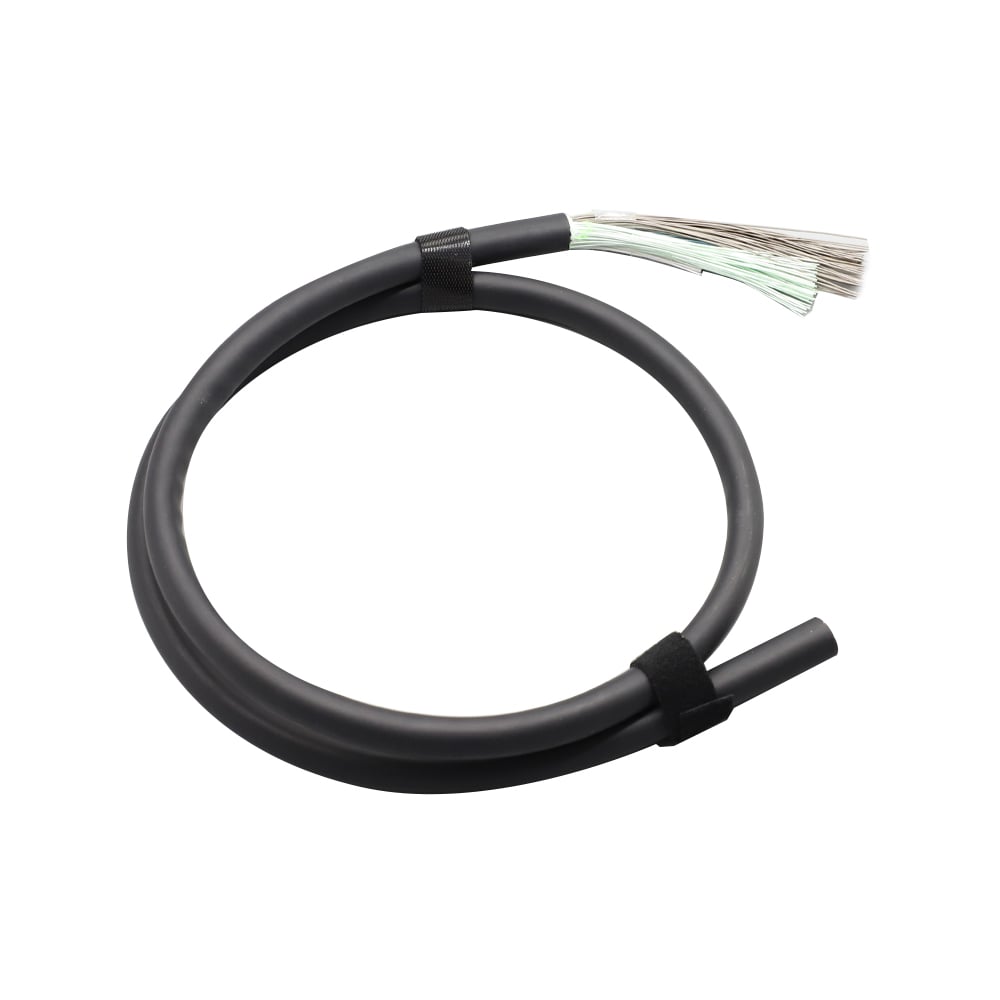
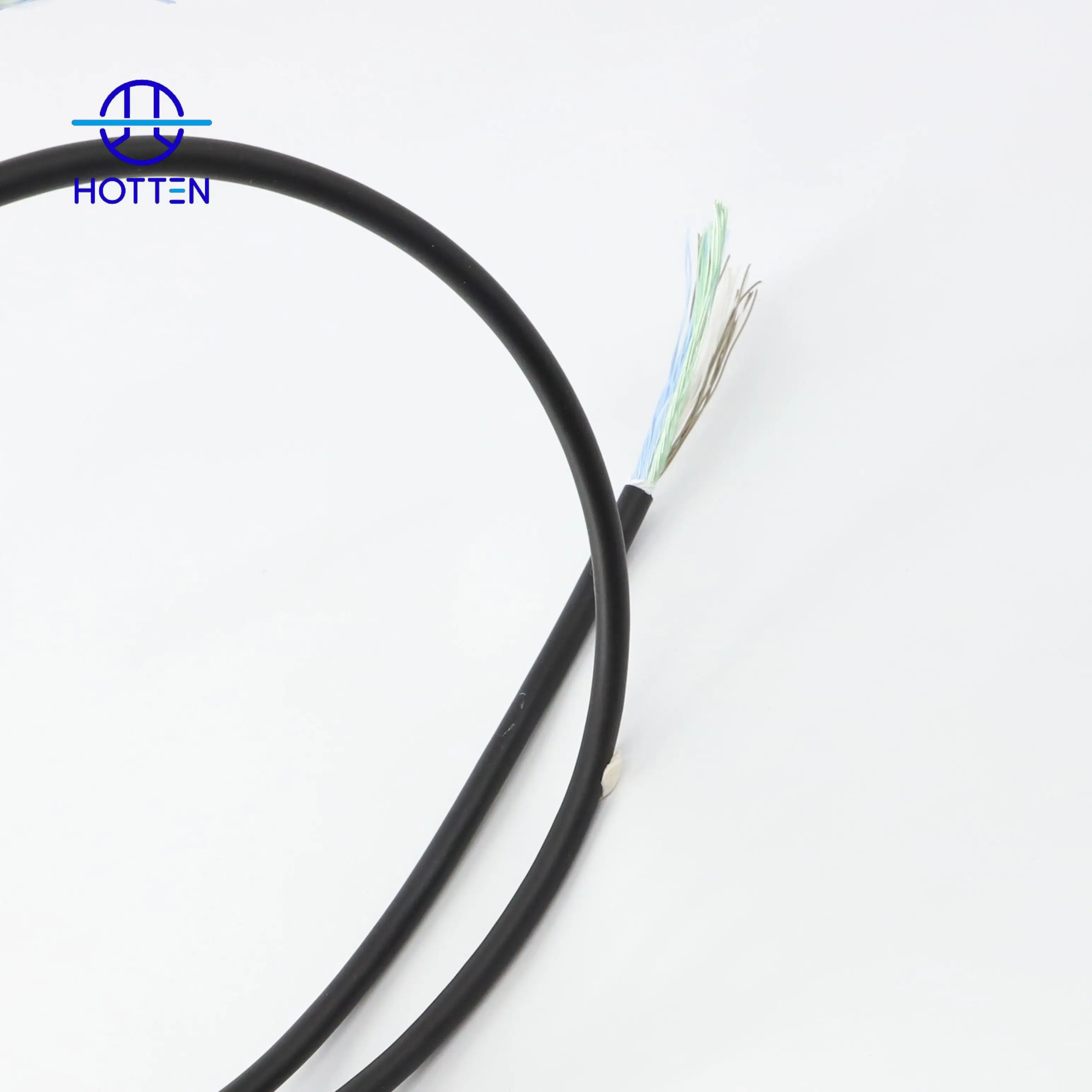
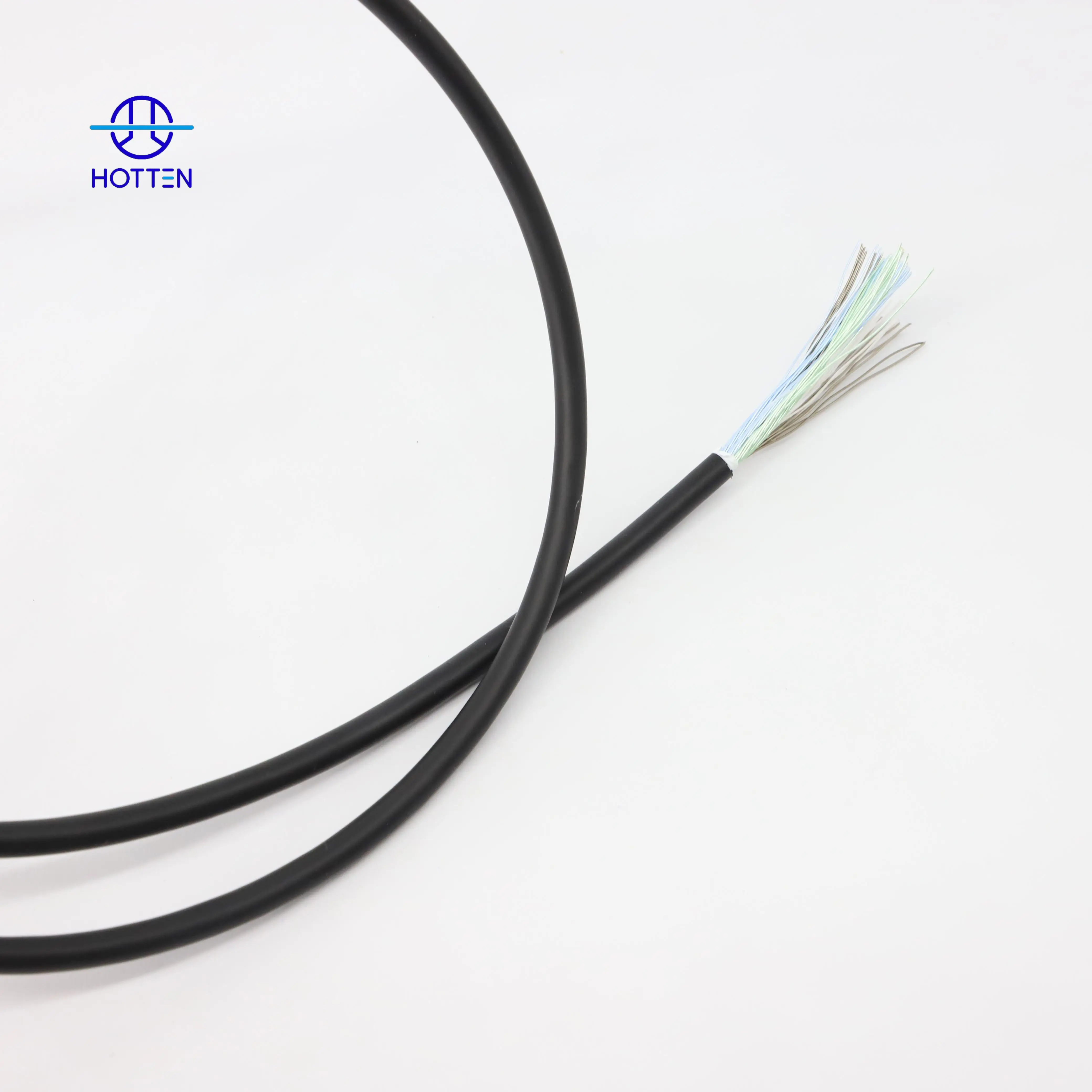
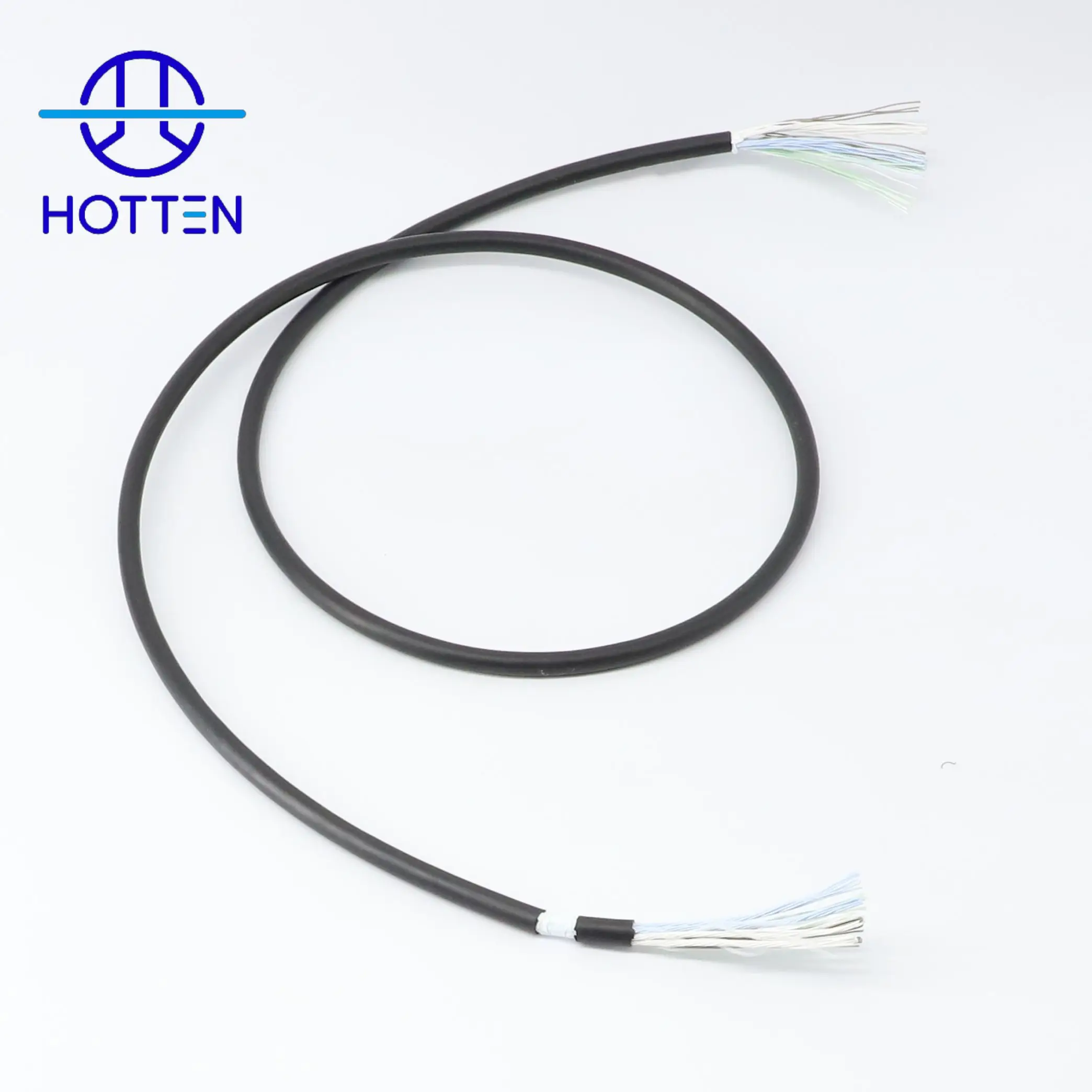
New Design Professional Reliable B-Ultrasound Probe Cable 60CX 38AWG OD=6.0mm Medical B Ultrasonic Transducer Cable
| Procurement Item | Recommended Information |
|---|---|
| Application | B-Ultrasound / Medical Imaging |
| Cable Type | Ultrasound Probe / Transducer Cable |
| Core Count | 60C |
| Conductor Configuration | 60×38AWG |
| Conductor | Silver Plated Copper |
| Insulation | PFA / PET or specified material |
| Sheath | TPE |
| Shielding | Required structure |
| Outer Diameter | 6.0mm or specified OD |
| OD Tolerance | Required tolerance |
| Cable Length | Finished cable length |
| Flexibility | Bending / routing requirements |
| Electrical Requirements | Required signal, capacitance, impedance or continuity parameters |
| Connector | Probe-side / equipment-side connector |
| Pinout | Channel assignment |
| Termination | Required termination method |
| Drawing | Cable / assembly drawing |
| Prototype Quantity | Engineering sample quantity |
| Production Volume | Expected recurring quantity |
| Testing | Electrical, dimensional, mechanical and signal requirements |
- Overview
- Recommended Products
Ultrasound signal channels
Power
Ground / return
Control lines
Auxiliary circuits
Shield / reference connections
AWG
Conductor material
Plating
Stranding structure
Insulation
Electrical requirements
Flexibility requirements
Target OD
Maximum allowable OD
OD tolerance
Probe routing clearance
Handle entry dimensions
Connector entry dimensions
Minimum bending radius
Strain relief
Electrical performance
Dielectric requirements
Cable dimensions
Flexibility
Mechanical routing
Operating conditions
Compatibility with conductor and shielding structures
Flexibility
Surface characteristics
Mechanical handling
Cleaning conditions
Temperature environment
Cable OD
Bending requirements
Strain relief
Conductor configuration
Cable length
Insulation characteristics
Shielding
Capacitance
Impedance, where specified
Channel-to-channel consistency
Connector termination
Grounding
Individual or overall shielding
Shield material
Shield coverage
Shield termination
Grounding method
Channel isolation requirements
Connector-side shield continuity
Static or dynamic bending
Minimum bending radius
Repeated movement
Probe movement
Handle routing
Cable exit direction
Strain relief
Expected service conditions
Connector manufacturer
Connector series
Part number
Contact count
Pin assignment
Connector orientation
Mating interface
Termination method
Strain relief
Overmolding requirements, where applicable
Core number
AWG
Shielding structure
Outer jacket
Cable diameter
Connector assembly
Prototype development
Conductor material
Insulation
Sheath
Cable length
Pin assignment
Termination configuration
Prototype quantity
Mass-production configuration
Ultrasound probe / transducer application
60-core requirement
38AWG conductor requirement
Conductor material
Target 6.0mm OD
OD tolerance
PFA / PET insulation requirement
TPE sheath requirement
Shielding specification
Cable length
Flexibility / bending requirements
Connector part numbers
Pinout
Cable drawing
Electrical requirements
Prototype quantity
Expected production volume
Required testing
Products Description
Model |
60C(60×38AWG) |
Size |
OD=6.0mm |
Color |
Black |
Insulation material |
PFA、PET |
Conductor material |
Silver plated copper |
Sheath material |
TPE |
Product Details
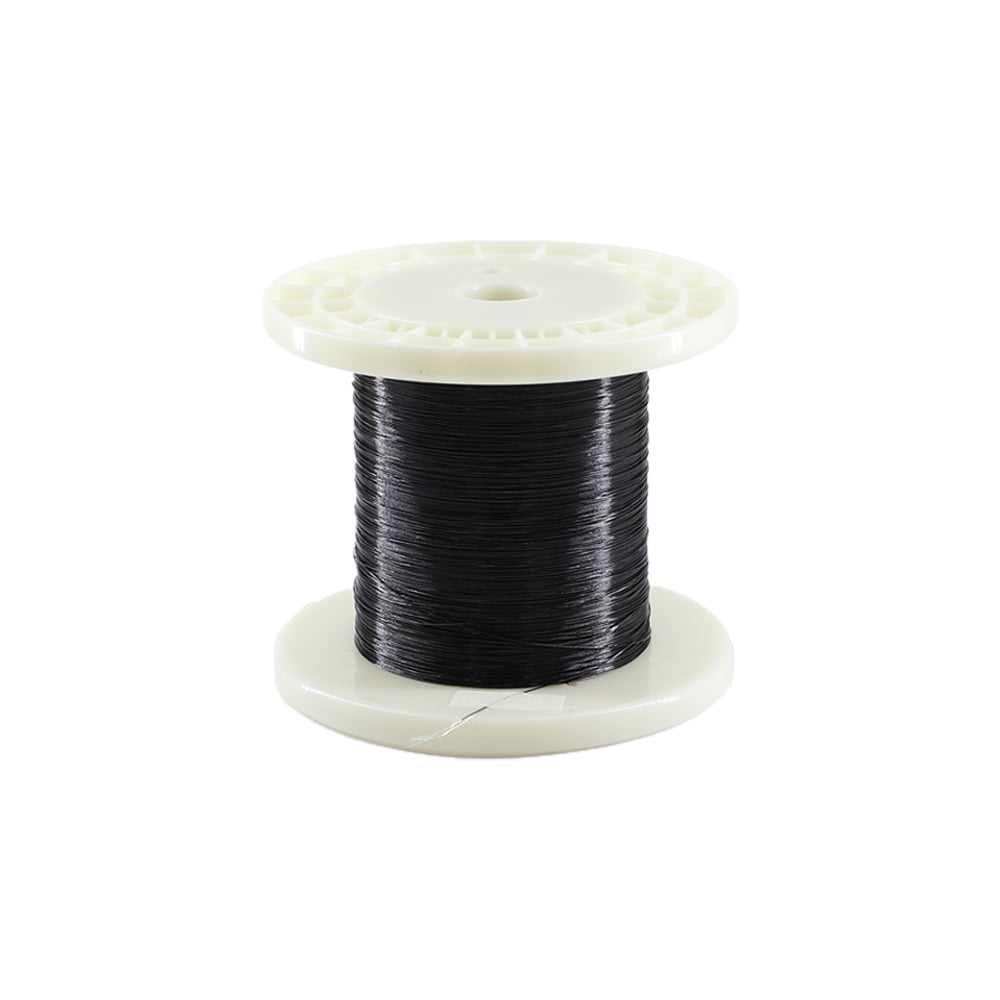
60 Core 38AWG Ultrasound Probe Cable for Medical Imaging Systems
Product Overview
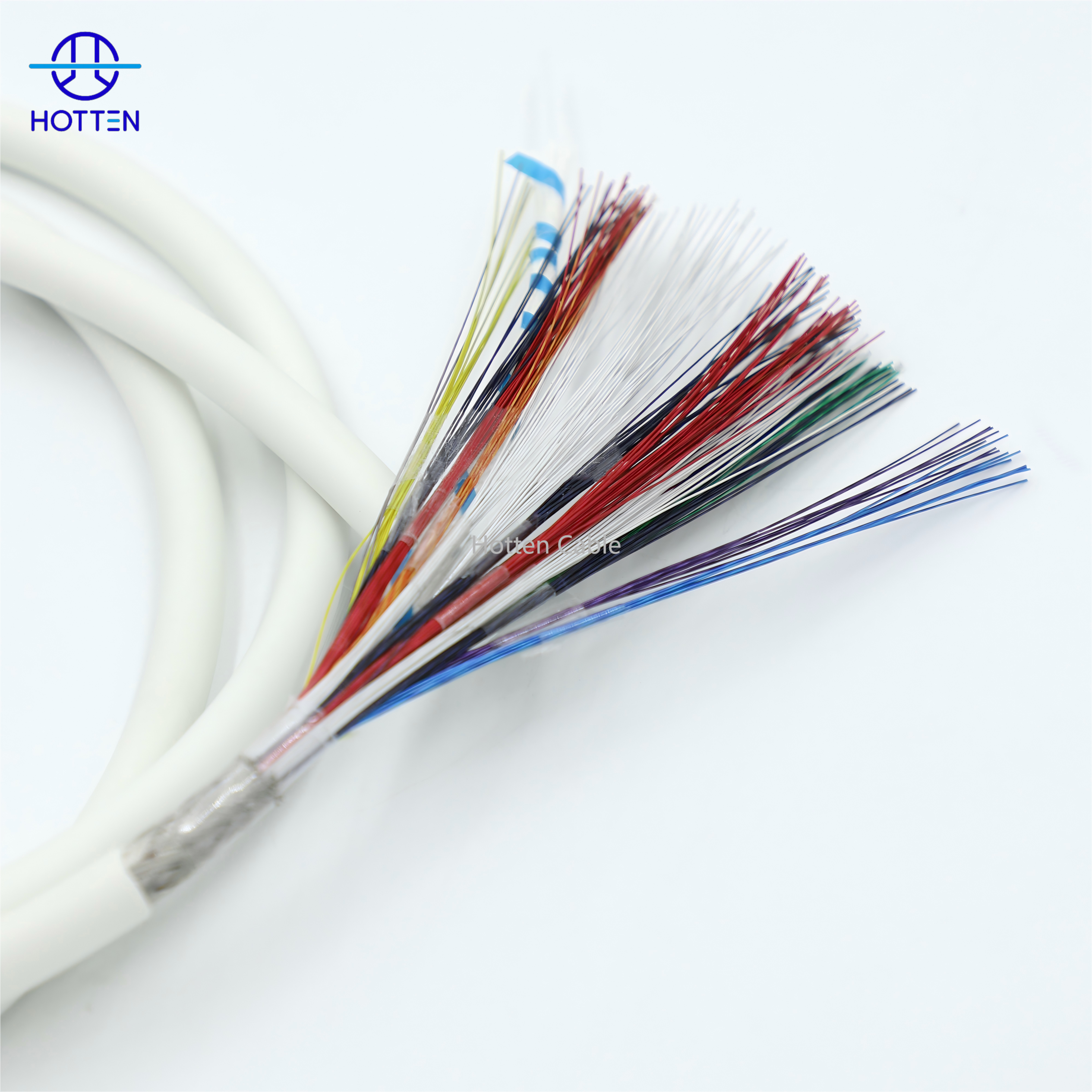
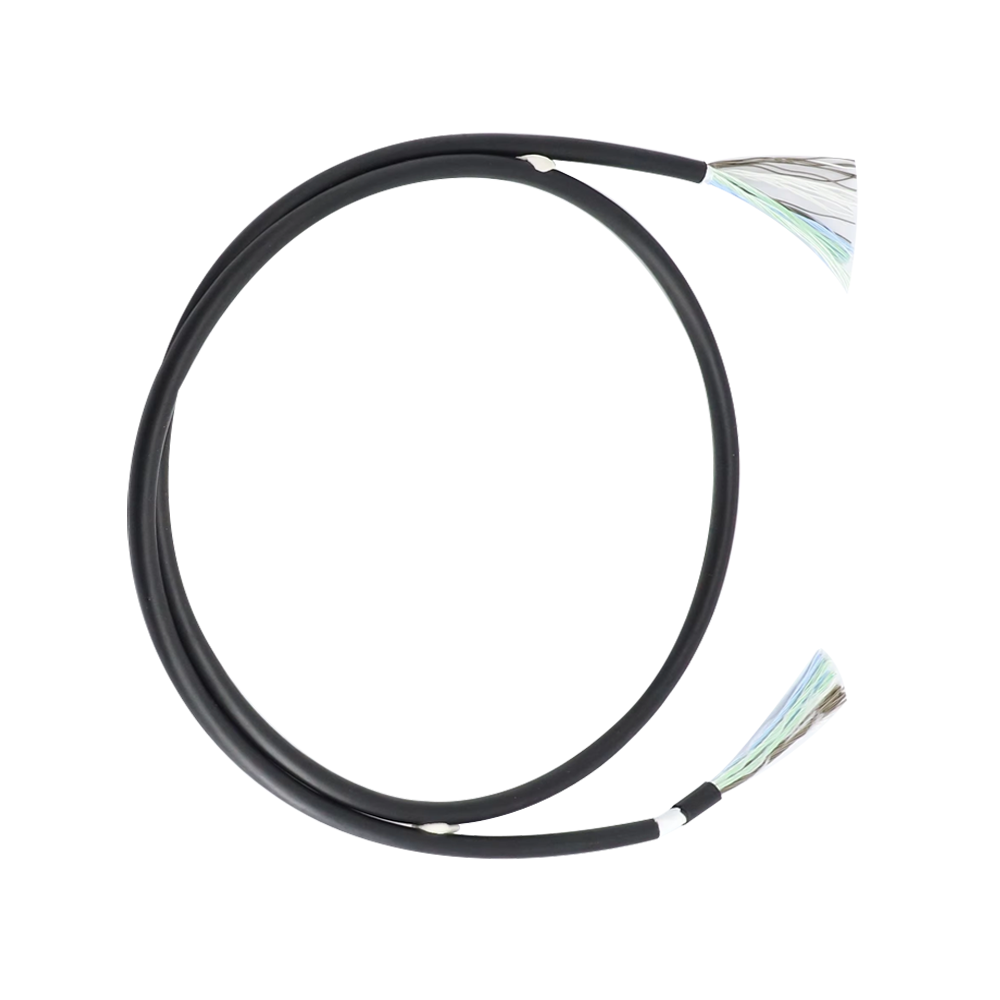
🔬 HOTTEN 60 Core Ultrasound Probe Cable is a customized medical cable solution designed for B ultrasound probes, ultrasonic transducers and advanced medical imaging systems.
With a multi-core micro coaxial structure and 38AWG conductors, this cable provides stable signal transmission, excellent flexibility and reliable performance for precision medical equipment.
HOTTEN supports customized ultrasound cable manufacturing based on customer requirements, including conductor structure, shielding design, insulation materials, cable diameter and connector assembly.
✨ Key Features
🔹 60 Core High Density Structure
The 60-core configuration enables:
✓ High channel density
✓ Compact internal routing
✓ Reliable signal transmission
✓ Suitable for complex ultrasound systems
🔹 38AWG Micro Coaxial Design
The fine wire structure provides:
✓ Small cable diameter
✓ Lightweight construction
✓ Flexible bending performance
✓ Space-saving installation
🔹 Medical Imaging Signal Reliability
Designed for medical applications requiring:
✓ Low signal interference
✓ Stable electrical performance
✓ Excellent shielding capability
✓ Long service life
🔹 Customized Manufacturing Capability
HOTTEN provides:
✓ Core number customization
✓ AWG size customization
✓ Shielding structure customization
✓ Outer jacket customization
✓ Connector assembly
✓ Prototype development
📌 Applications
Suitable for:
🏥 B Ultrasound Equipment
🏥 Ultrasound Probe Systems
🏥 Medical Imaging Devices
🏥 Diagnostic Equipment
🏥 Ultrasonic Transducer Systems
🏥 Healthcare Electronics
Engineering & Procurement Considerations
What Engineers Should Consider When Selecting a 60-Core Ultrasound Probe Cable
A high-density ultrasound probe cable connects an ultrasound transducer or probe assembly with the supporting diagnostic equipment. For B-ultrasound and medical imaging systems, cable selection should balance high core count, fine-gauge conductors, compact outer diameter, signal integrity, flexibility, shielding and connector integration.
This configuration is defined by 60 cores, 38AWG conductors and a 6.0mm outer diameter, making it particularly relevant to ultrasound systems that require multiple electrical channels within a compact cable structure.
Published Product Configuration
| Item | Specification |
|---|---|
| Product Type | B-Ultrasound Probe Cable |
| Application | B-Ultrasound / Medical Imaging / Ultrasonic Transducer |
| Core Configuration | 60C (60×38AWG) |
| Conductor | Silver Plated Copper |
| Outer Diameter | 6.0mm |
| Insulation Options | PFA / PET |
| Sheath | TPE |
| Cable Structure | Multi-Core / Micro Coaxial |
| Color | Black |
| Cable Length | Customized |
| Connector Assembly | Customized |
These specifications are based on the current HOTTEN product page.
Key Engineering Requirements
| Engineering Requirement | Key Considerations |
|---|---|
| 60-Core High-Density Structure | The 60 conductors should match the channel and electrical architecture of the ultrasound transducer. |
| 38AWG Fine-Gauge Conductors | Fine-gauge conductors help maintain a compact multi-core structure while providing the required electrical connections. |
| 6.0mm Outer Diameter | Cable OD should fit the available routing space in the probe, handle and diagnostic equipment. |
| Signal Integrity | Conductor geometry, insulation, shielding, cable length and connector termination should be considered together. |
| Micro-Coaxial Construction | Where used, micro coaxial structures can provide controlled signal paths and shielding for imaging signals. |
| Flexibility | Cable construction should support probe movement, routing and repeated handling. |
| Shielding | Shielding should be configured according to signal sensitivity and EMI requirements. |
| Connector Compatibility | Probe-side and equipment-side connectors must match the required interface and pinout. |
| Manufacturing Consistency | Core order, OD and electrical characteristics should remain stable across production. |
60-Core Configuration Considerations
The 60C configuration is one of the most important product entities on this page.
Before production, customers should define how the 60 conductors are allocated among:
For a high-core-count ultrasound cable, a complete wiring diagram, cable drawing and pinout is strongly recommended.
The conductor count alone does not define the final cable assembly; the exact electrical allocation must follow the customer's transducer and diagnostic-system architecture.
38AWG Conductor Considerations
The product uses 60×38AWG conductors with silver-plated copper.
When specifying the conductor, procurement teams should confirm:
HOTTEN's page also confirms that AWG and core numbers can be customized for other cable configurations.
6.0mm Outer Diameter Considerations
The 6.0mm OD is another strong technical identifier for this product.
For actual OEM production, customers should specify:
The final diameter should be evaluated together with the 60-core structure, insulation, shielding and sheath because each affects the overall cable size.
Insulation Considerations
The current product configuration identifies PFA and PET as insulation options.
Engineering teams should evaluate insulation according to:
The final insulation should be selected based on the customer's complete cable specification.
TPE Sheath Considerations
The current configuration uses a TPE sheath.
When specifying the outer sheath, procurement teams should consider:
TPE should be evaluated together with the internal cable construction because the sheath affects flexibility and the final mechanical behavior.
Signal Integrity Considerations
For B-ultrasound applications, the cable forms part of the electrical path between the transducer and diagnostic system.
Relevant parameters may include:
Where the ultrasound system has defined electrical requirements, these should be included in the cable drawing or RFQ.
Shielding and EMI Considerations
The current product description identifies shielding customization as part of HOTTEN's manufacturing capability.
For a high-density ultrasound cable, customers should clarify:
Shielding should be designed together with the signal and grounding architecture rather than specified independently.
Flexibility and Probe Routing
Ultrasound probes are frequently handled and moved during examination.
Engineering teams should define:
The relationship should be considered as:
60C + 38AWG + 6.0mm OD + Shielding + Sheath + Bend Requirement
The cable should maintain the required electrical construction while meeting the mechanical routing requirements.
Connector and Termination Considerations
HOTTEN's current page confirms connector assembly customization.
Customers should provide:
For a 60-core ultrasound cable, connector pinout is especially important because every channel must correspond correctly between the probe and diagnostic equipment.
Key Procurement Parameters
When sourcing a 60C 38AWG B-ultrasound probe cable, procurement teams should confirm:
| Procurement Item | Recommended Information |
|---|---|
| Application | B-Ultrasound / Medical Imaging |
| Cable Type | Ultrasound Probe / Transducer Cable |
| Core Count | 60C |
| Conductor Configuration | 60×38AWG |
| Conductor | Silver Plated Copper |
| Insulation | PFA / PET or specified material |
| Sheath | TPE |
| Shielding | Required structure |
| Outer Diameter | 6.0mm or specified OD |
| OD Tolerance | Required tolerance |
| Cable Length | Finished cable length |
| Flexibility | Bending / routing requirements |
| Electrical Requirements | Required signal, capacitance, impedance or continuity parameters |
| Connector | Probe-side / equipment-side connector |
| Pinout | Channel assignment |
| Termination | Required termination method |
| Drawing | Cable / assembly drawing |
| Prototype Quantity | Engineering sample quantity |
| Production Volume | Expected recurring quantity |
| Testing | Electrical, dimensional, mechanical and signal requirements |
OEM Customization
HOTTEN supports customized ultrasound probe cable development based on customer requirements.
The current page specifically identifies customization of:
Additional project-specific parameters can include:
Supplier Evaluation Checklist
When evaluating a 60-core ultrasound probe cable supplier, procurement teams should consider:
① High-Core-Count Manufacturing
Can the supplier consistently manufacture and process a 60-core fine-gauge configuration?
② Fine-Gauge Processing
Can the supplier maintain stable 38AWG conductor and insulation dimensions?
③ Dimensional Control
Can the supplier consistently achieve the required 6.0mm OD and tolerance?
④ Ultrasound Cable Experience
Does the supplier have experience with ultrasound probe, transducer and medical imaging cable applications?
⑤ Signal and Shielding Capability
Can the supplier configure shielding and electrical characteristics according to the ultrasound system requirements?
⑥ Connector Assembly
Can the supplier accurately terminate the required probe and equipment connectors?
⑦ Prototype-to-Mass-Production Support
Can the supplier provide samples and support recurring production?
Recommended RFQ Information
For faster engineering evaluation and quotation, customers are recommended to provide:
For this product, the most useful RFQ combination is:
60C + 38AWG + 6.0mm OD + PFA/PET + TPE + Connector + Pinout + Electrical Requirements
HOTTEN 60-Core Ultrasound Cable Engineering Support
HOTTEN provides customized high-density ultrasound probe cables for B-ultrasound, ultrasonic transducers and medical imaging systems. The current product configuration is defined by 60C (60×38AWG), 6.0mm OD, silver-plated copper conductors, PFA/PET insulation and TPE sheath, with customization available for cable structure, shielding, dimensions and connector assembly.
For OEM development, customers can provide the ultrasound probe specification, cable drawing, connector information and electrical requirements for engineering evaluation and customized production.

Company Profile

Engineering & Procurement Considerations
What does a 60-core configuration provide in a B-ultrasound probe cable?
A 60-core configuration integrates multiple electrical paths into a single ultrasound probe cable, allowing the cable structure to accommodate the connection requirements of the probe and imaging system. The exact function and allocation of each core should be defined according to the customer's ultrasound system architecture.
Why is 38AWG conductor size relevant to ultrasound probe cable design?
38AWG provides a relatively fine conductor size that can help engineers develop a compact multi-core cable structure. When selecting the conductor size, engineers should consider the required electrical characteristics, cable diameter, flexibility, termination method, and mechanical requirements of the ultrasound probe.
What does a 6.0mm cable diameter mean for ultrasound probe design?
An OD of 6.0mm provides a defined dimensional target for the complete cable construction. Engineers can use this requirement to evaluate whether the cable can fit the intended probe housing and routing path while accommodating the required conductors, insulation, shielding, and other structural elements.
How does core arrangement affect the construction of a 60-core ultrasound cable?
With 60 conductors in a relatively compact cable, the internal arrangement becomes an important part of the design. Engineers need to consider conductor distribution, insulation thickness, cable geometry, shielding requirements, termination configuration, and the available space at the probe and equipment interfaces.
What mechanical requirements should be considered for a B-ultrasound probe cable?
The cable should be evaluated according to the probe's handling conditions, bending radius, cable routing, connector position, and expected mechanical movement. A suitable construction needs to provide the required flexibility while maintaining stable electrical connections and consistent cable dimensions.
What information should buyers provide when sourcing a custom 60C 38AWG ultrasound cable?
A complete RFQ should specify the 60-core configuration, 38AWG conductor requirement, target 6.0mm outer diameter, cable length, insulation and shielding requirements, electrical characteristics, connector type, pin assignment, termination method, bending requirements, and application environment. Drawings or samples are recommended when dimensional and interface compatibility are critical.
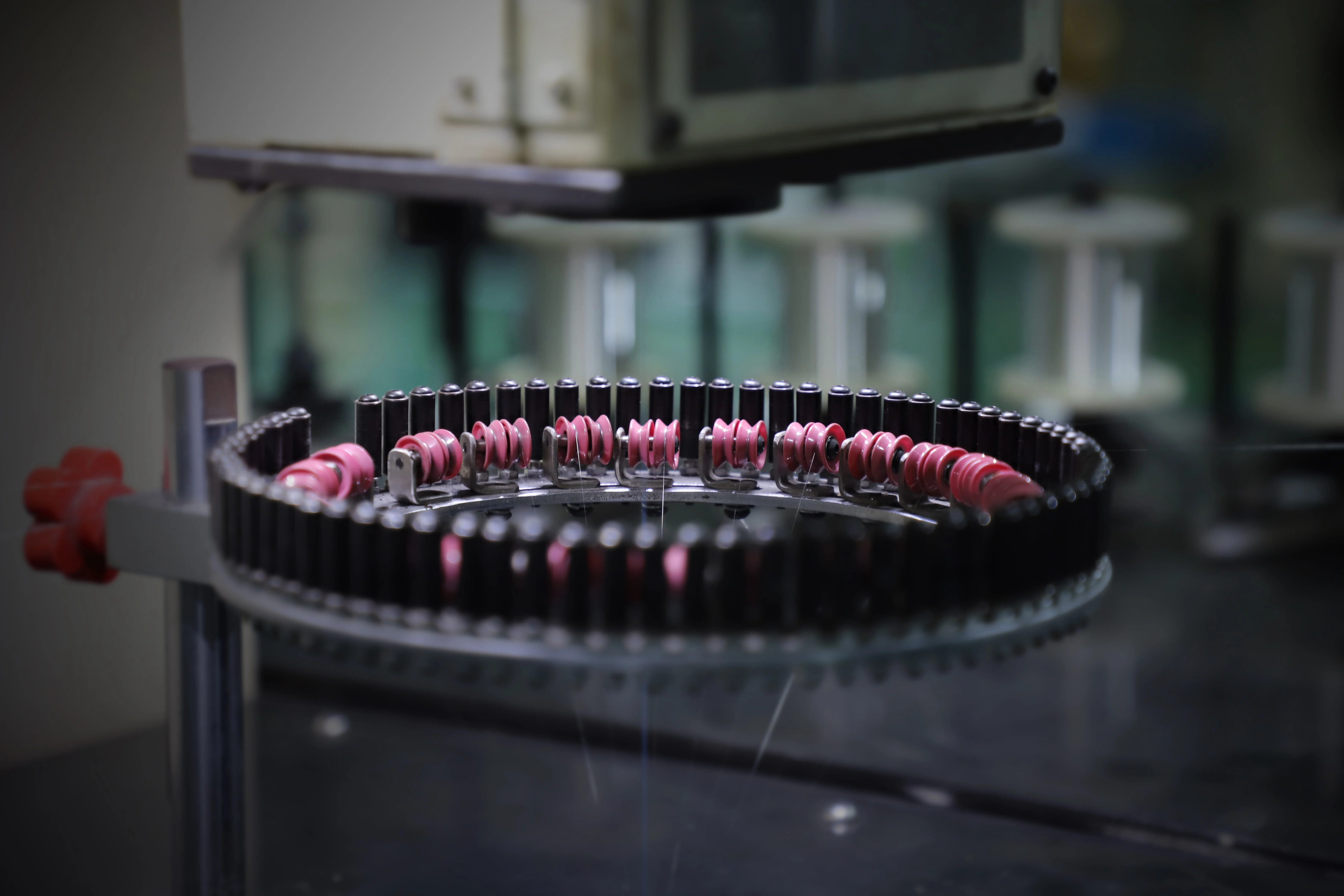
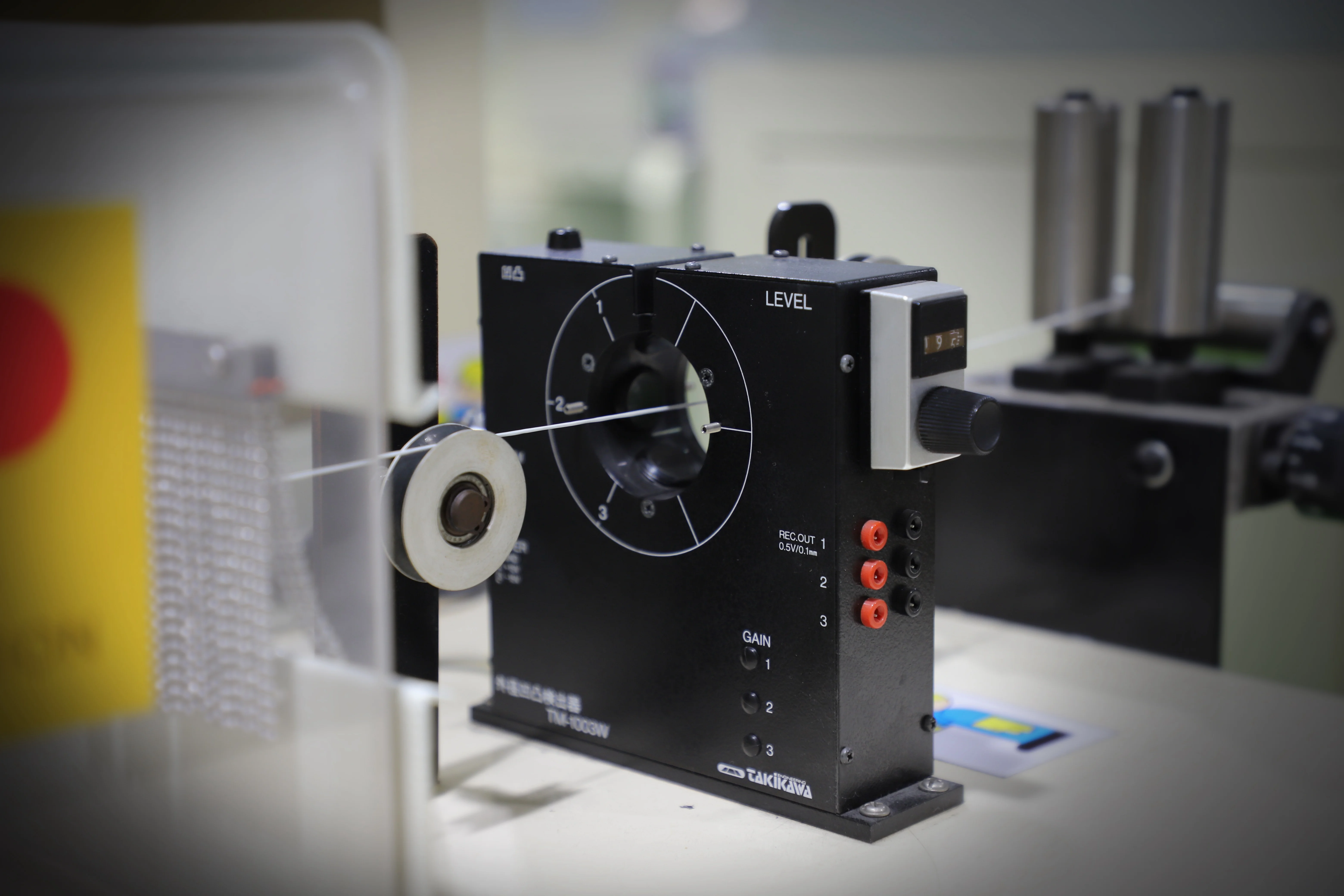
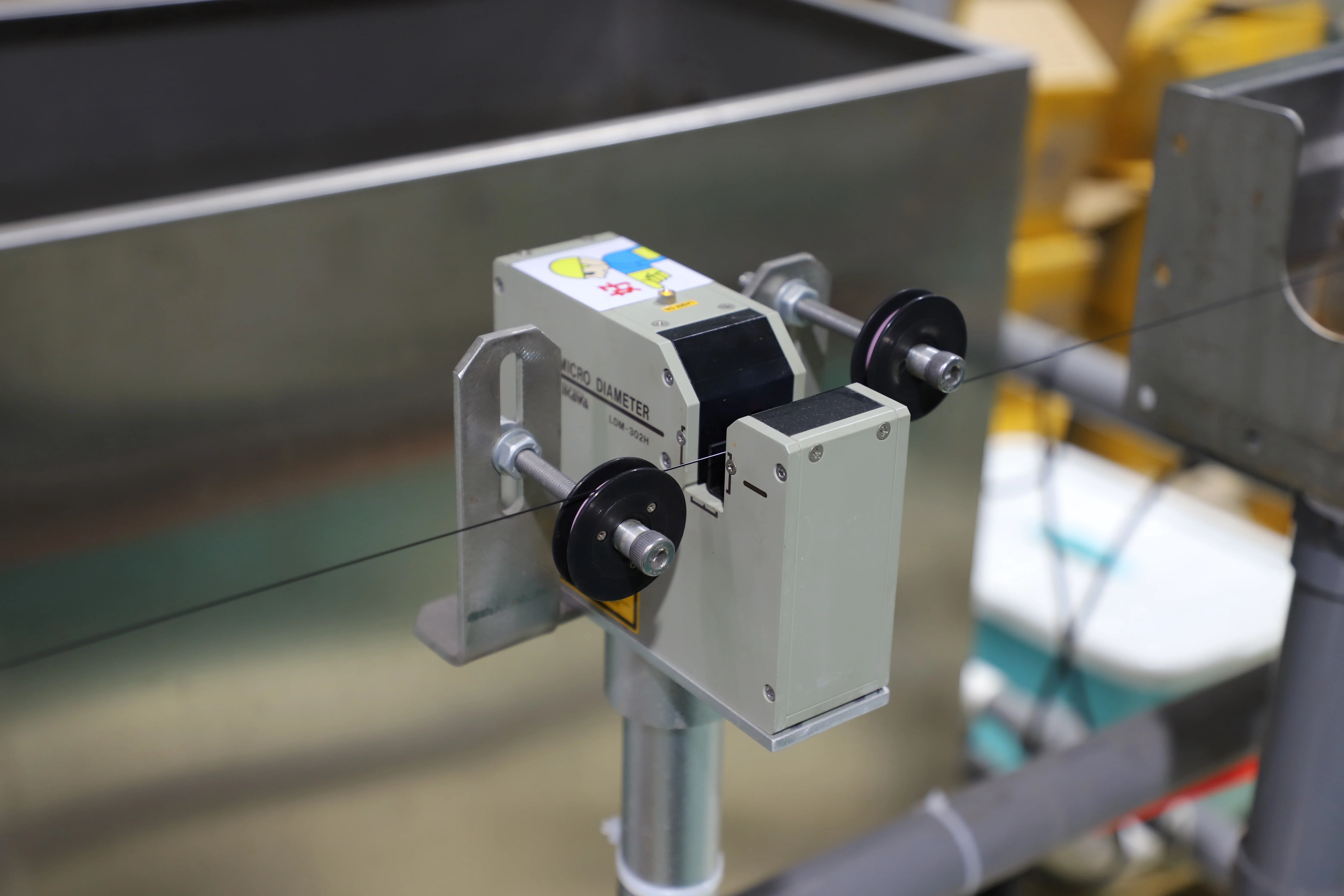
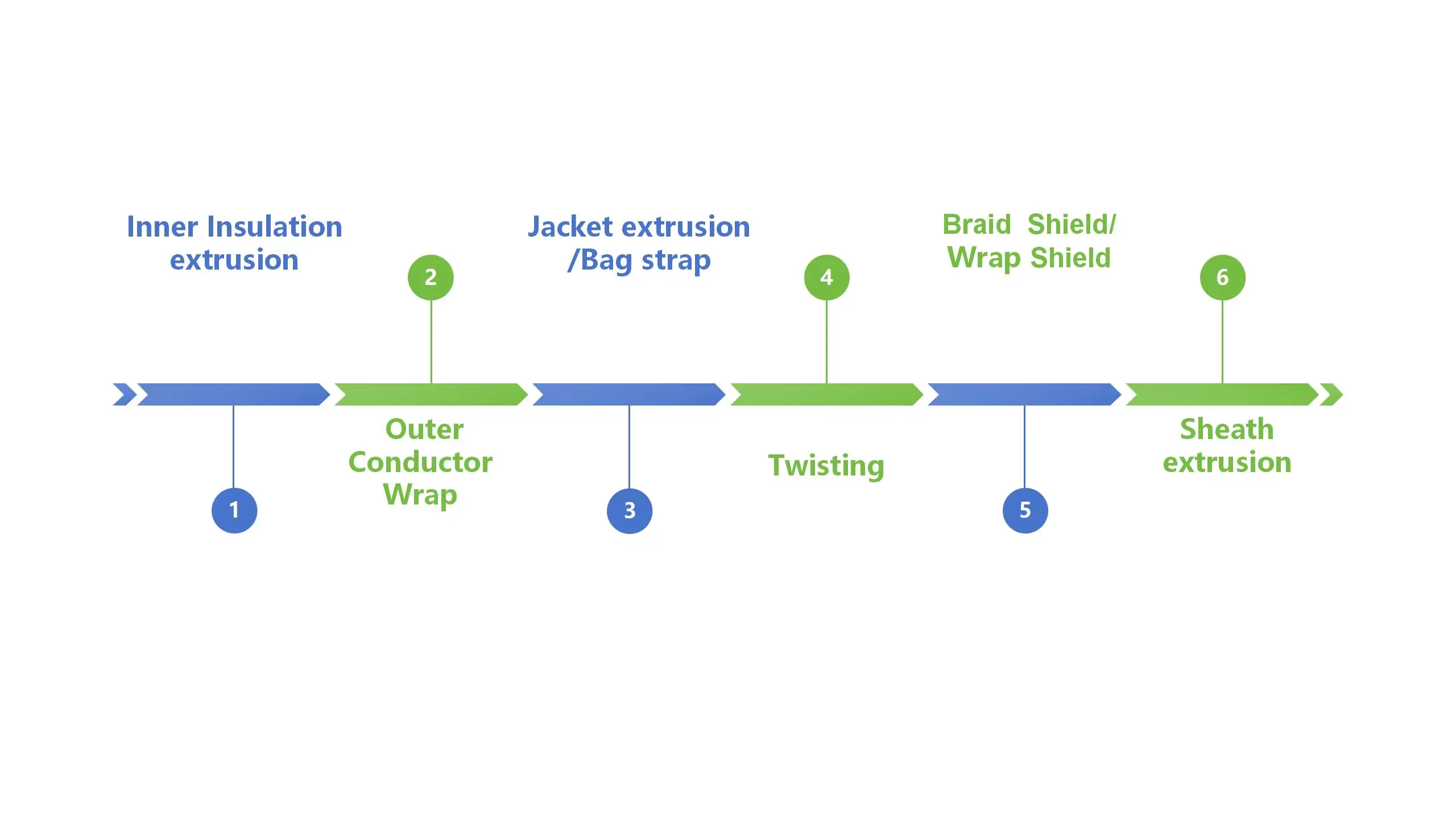
About us:Production Process


Our Advantages
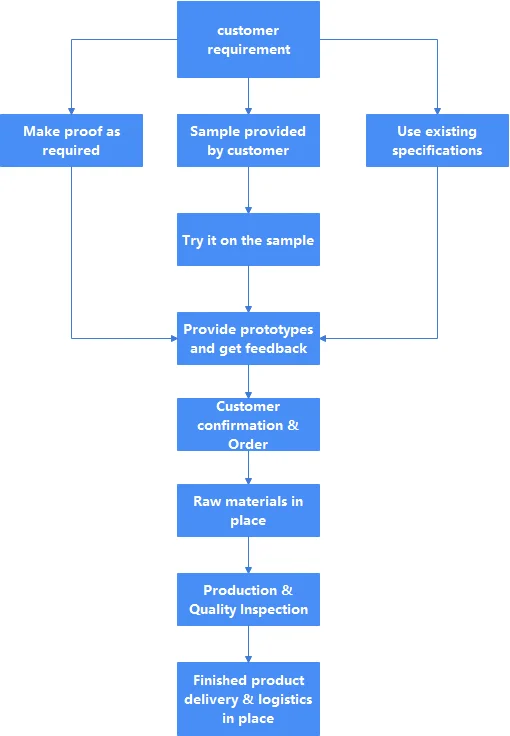
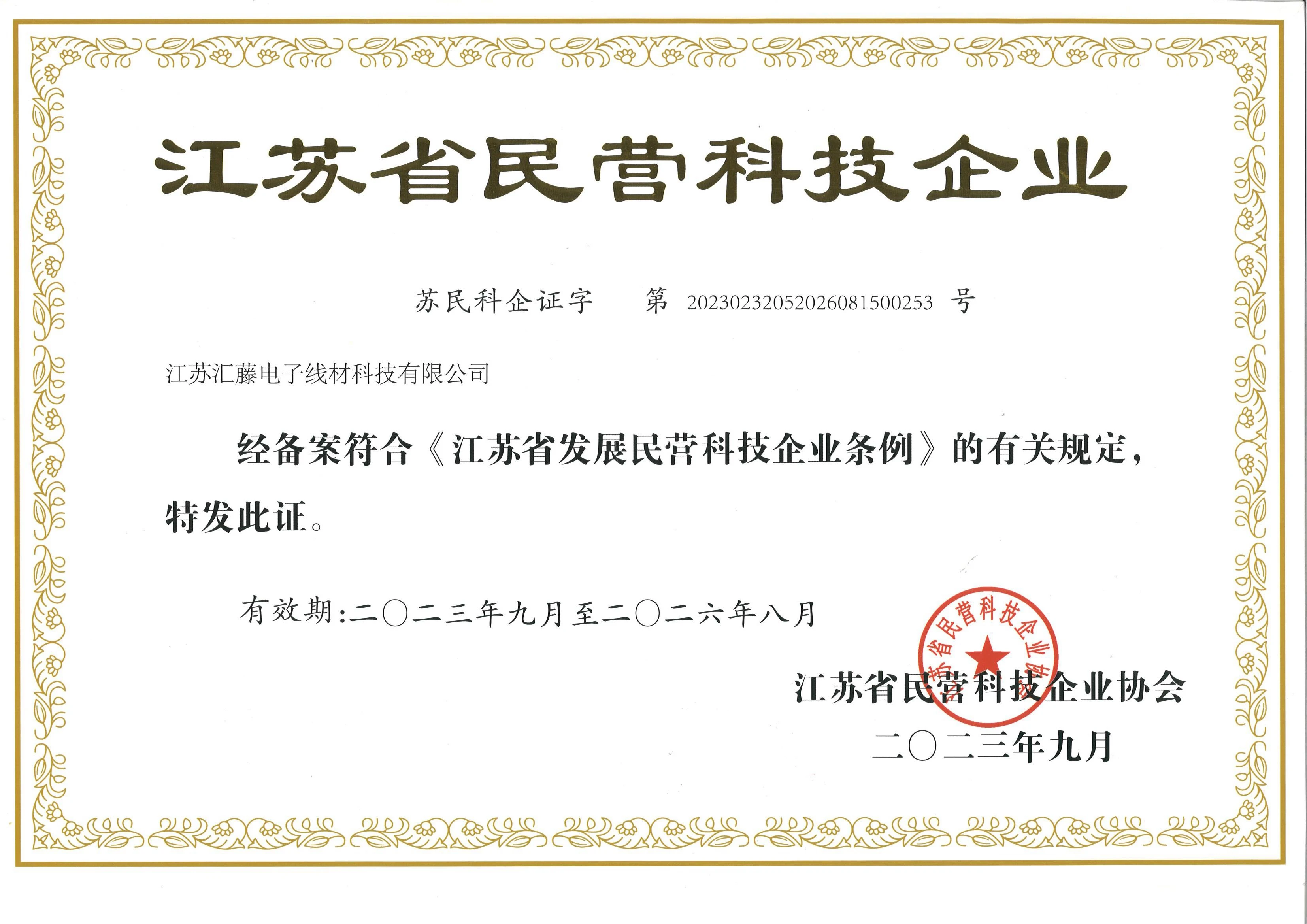
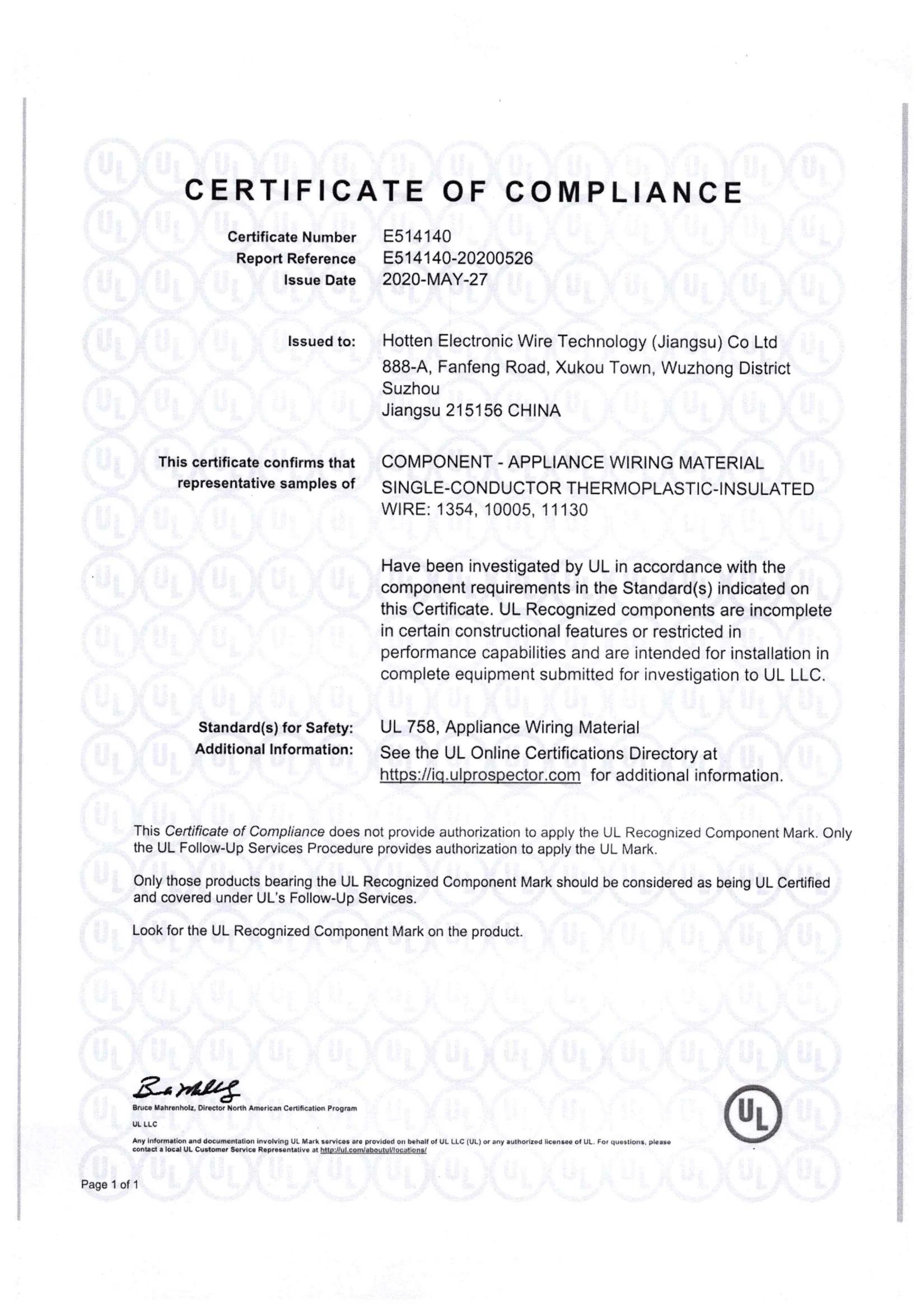
Certifications


Product packaging

FAQ
🏭 Custom Ultrasound Cable Manufacturer
HOTTEN specializes in customized medical cable solutions for global medical equipment manufacturers.
Our engineering team supports:
✓ Cable structure design
✓ Material selection
✓ Prototype samples
✓ OEM production
✓ Quality control
With professional extrusion, shielding and cable processing capabilities, HOTTEN delivers reliable cable assemblies for demanding medical applications.
⭐ Why Choose HOTTEN
✓ Medical cable customization experience
✓ Micro coaxial cable manufacturing capability
✓ Support high-density multi-core cables
✓ ISO9001 quality management
✓ ISO13485 medical quality system
✓ UL certified cable production
❓ FAQ
Q1: What is a 60 core ultrasound probe cable used for?
A 60 core ultrasound probe cable is mainly used for B ultrasound probes, ultrasonic transducers and medical imaging systems requiring high-density signal transmission.
Q2: Can HOTTEN customize ultrasound probe cables?
Yes. HOTTEN can customize core numbers, conductor sizes, insulation materials, shielding structures, cable diameter and connector assemblies.
Q3: Why use micro coaxial cables in ultrasound equipment?
Micro coaxial cables provide stable signal transmission, EMI protection and compact size, making them suitable for high-density medical imaging applications.
Q4: What is the difference between ultrasound cable and ordinary electronic wire?
Ultrasound cables require higher signal integrity, shielding performance and flexibility compared with ordinary internal connection wires.
Hot Products