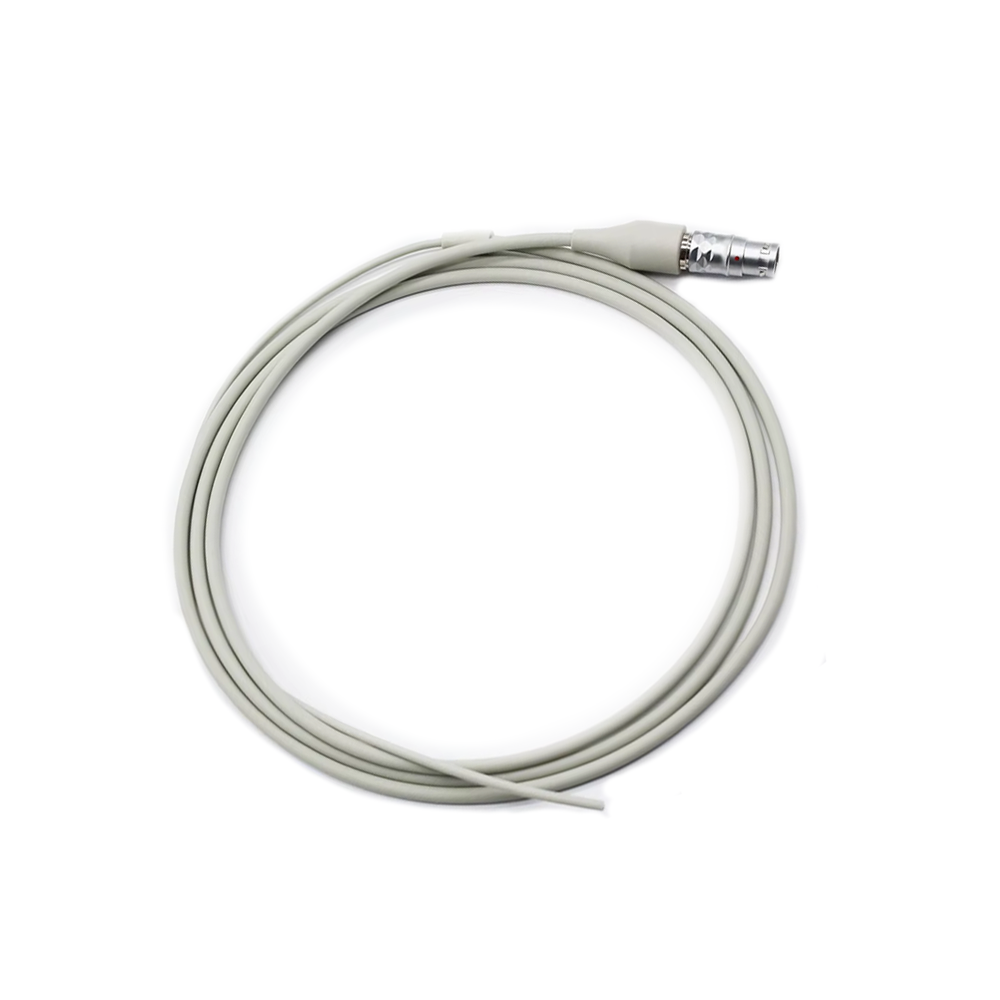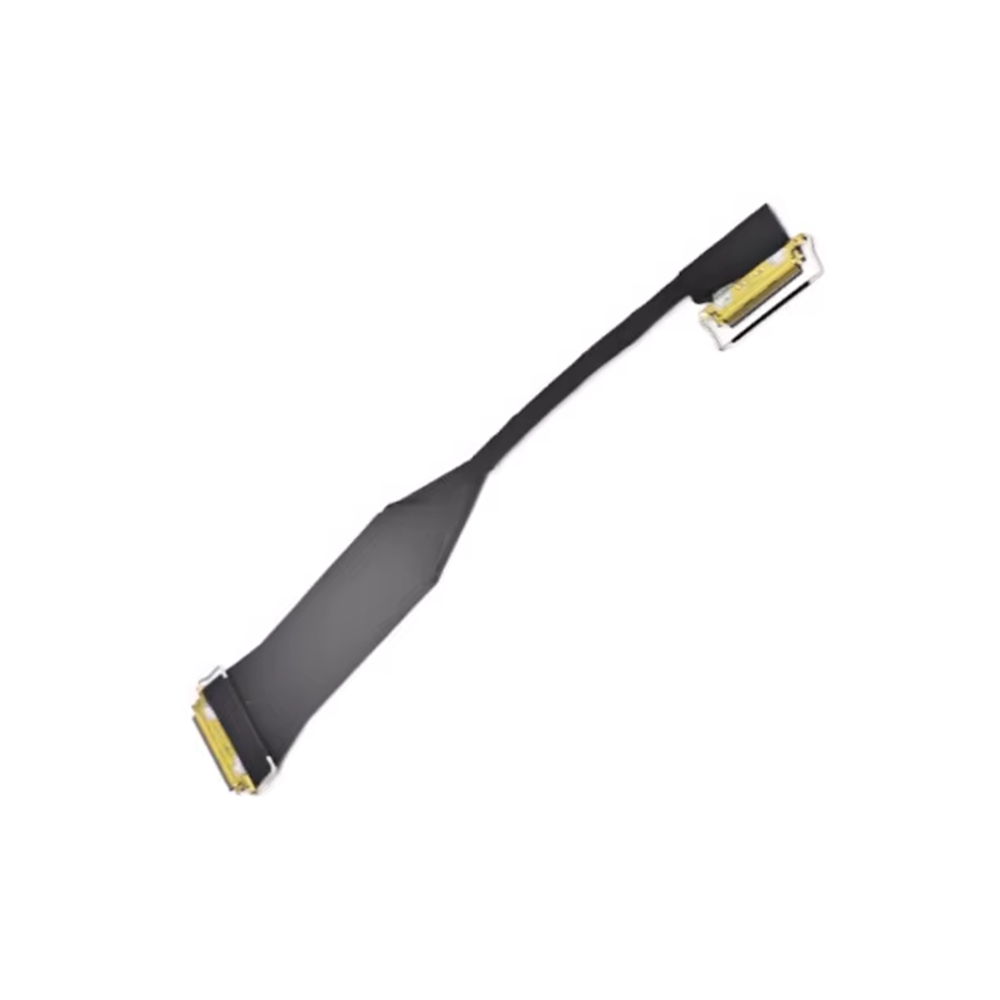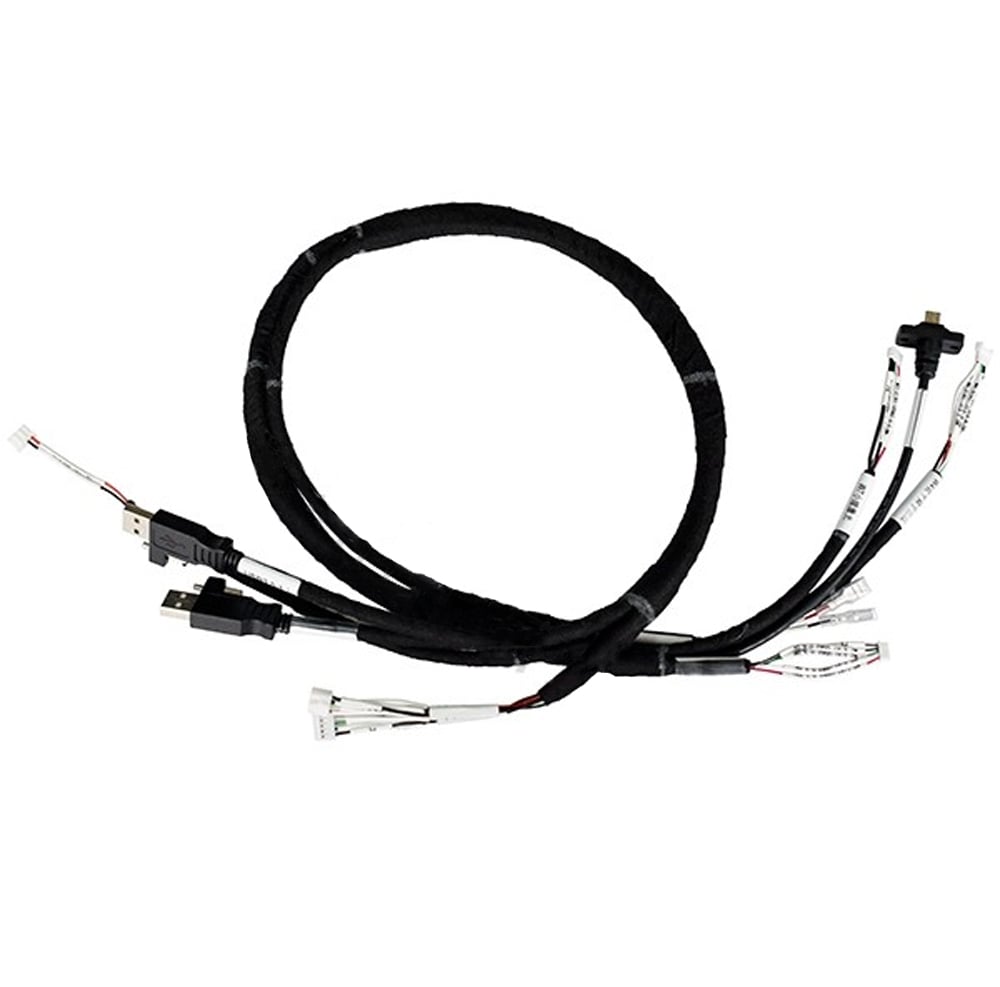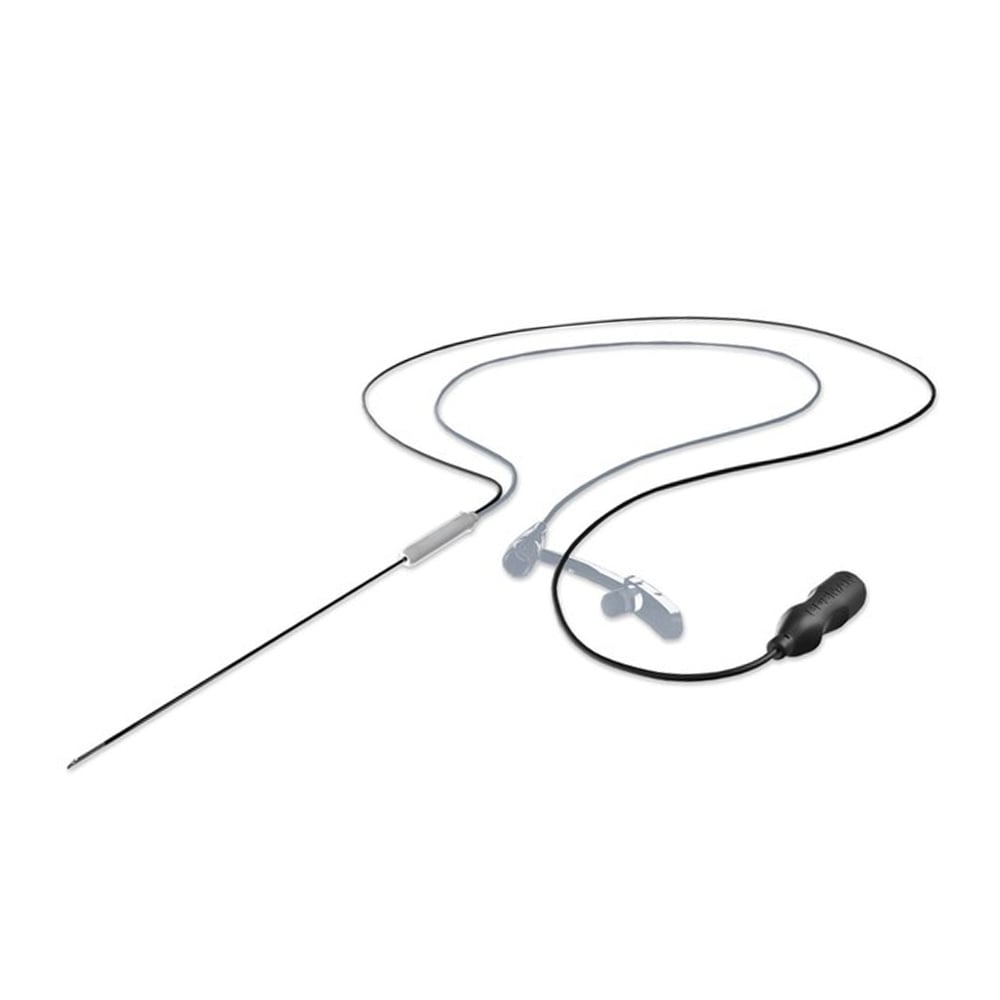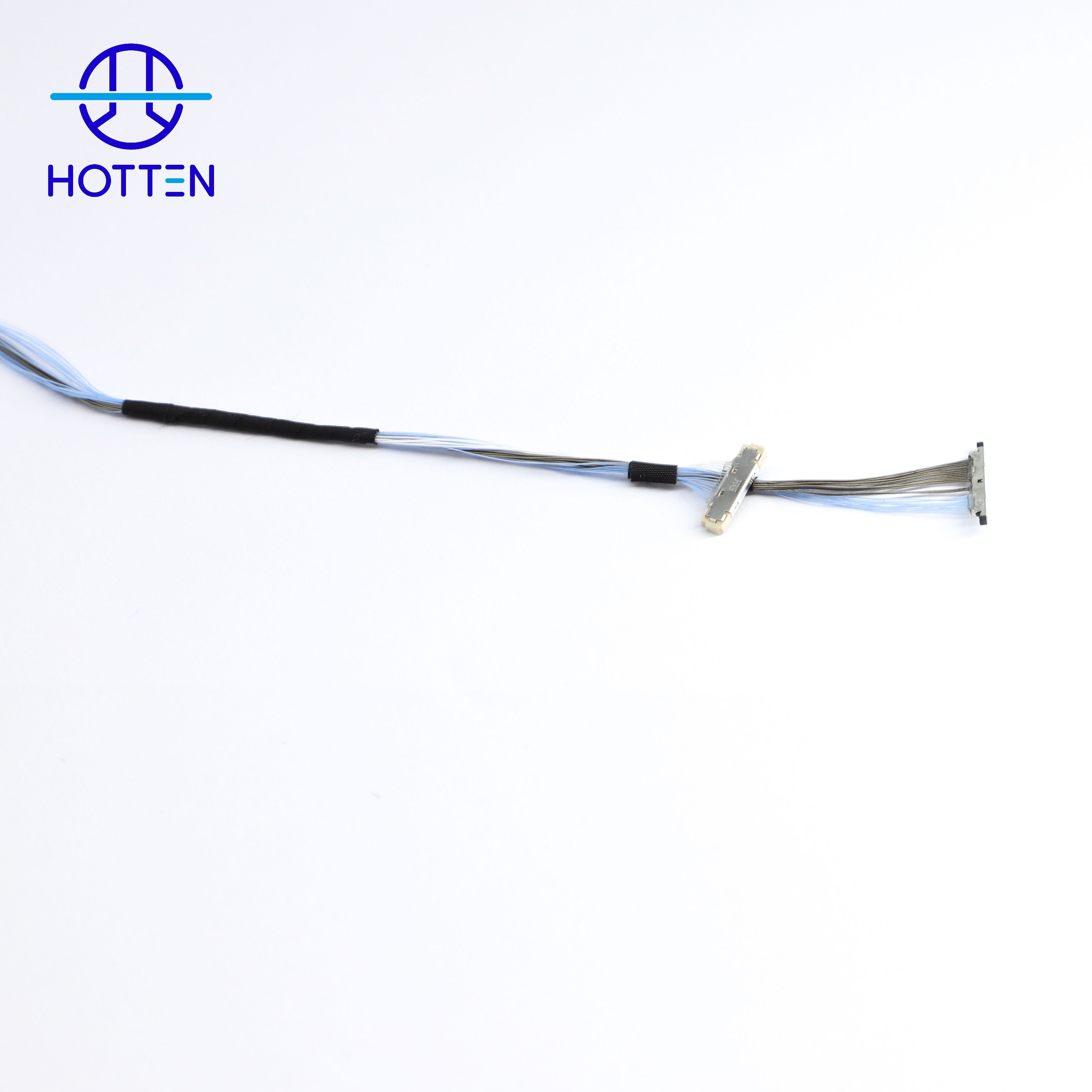

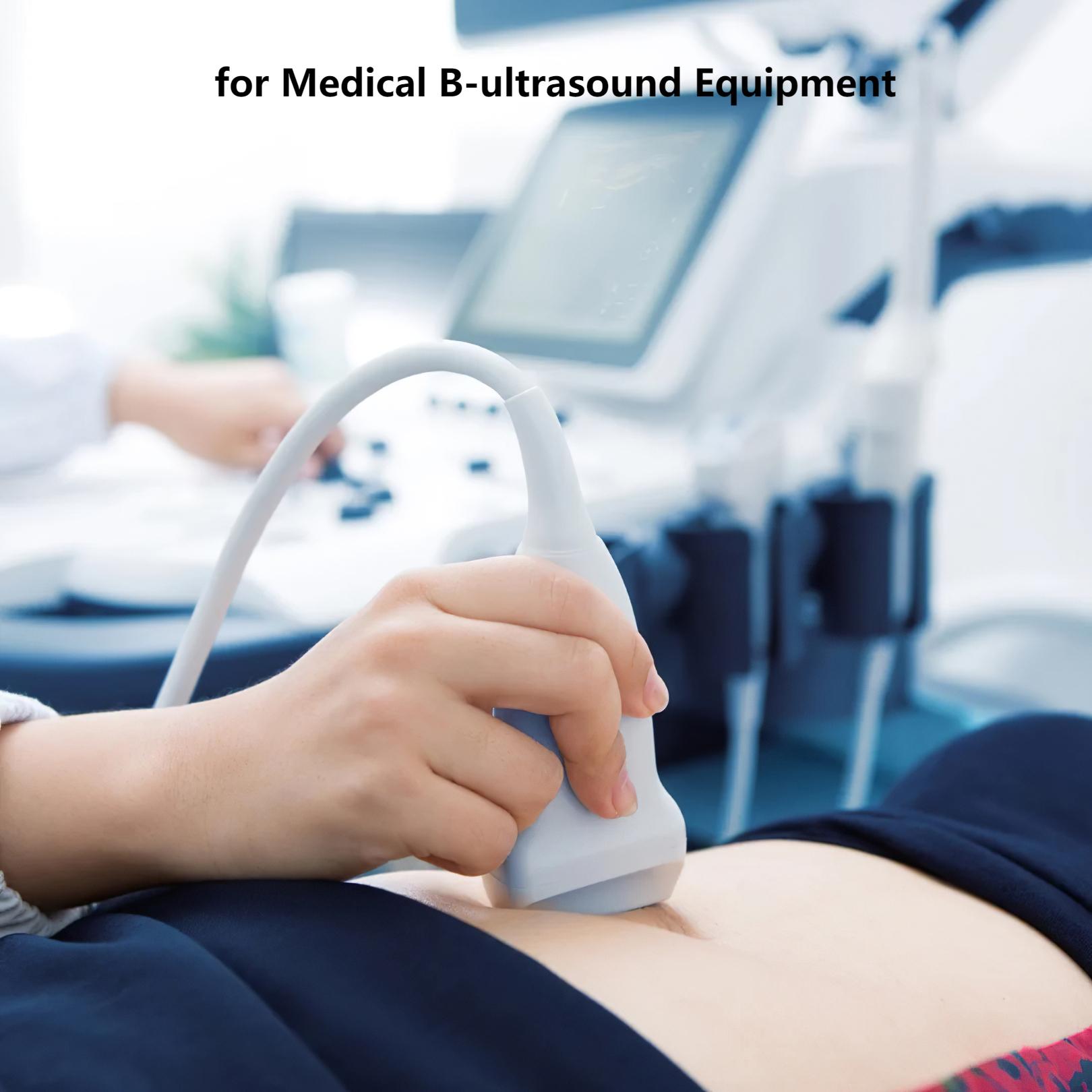
ဆေးဘက်ဆိုင်ရာ အသံလွှင့်စနစ်များသည် ပိုမိုများပြားသော ချაနဲလ်အရေအတွက်နှင့် ပိုမိုသေးငယ်သော အရွယ်အစားသို့ ဖွံ့ဖေါ်တိုးတက်လာခြင်းနှင့်အတူ ပရိုဘ်နှင့် အဓိကယူနစ်ကြား ဆက်သွယ်ရေးကြိုးများသည် ပိုမိုတင်းကြပ်သော အင်ဂျင်နီယာလိုအပ်ချက်များကို ရင်ဆိုင်နေရသည်။ Ultrasound Probe Cables များ အများအားဖြင့် အလွန်သေးငယ်သော ပိုက်လိုင်းများဖွဲ့စည်းထားပြီး ဥပမါ ၄၀ AWG သို့မဟုတ် ၄၂ AWG ကြိုးများ ဟု ဖွဲ့စည်းထားပြီး ၆၄ မှ ၂၅၆ ချောင်းအထိ ချောင်းအရေအတွက်ဖွဲ့စည်းထားသော များပြားသော ချောင်းများပါဝင်သော ဖွဲ့စည်းပုံများဖြင့် ပရိုဘ်အတွင်းရှိ PCB များနှင့် တိုက်ရိုက် ဆော်ဒာပေးထားသည်။
ဤအသုံးပုံများတွင် ကဗျားများ ပရိုဘ်အတွင်းရှိ အကောင်းဆုံးနေရာအသုံးပြုမှုအတွက် အလွန်သေးငယ်သော အရွယ်အစားနှင့် စုပ်ထားသော ဖွဲ့စည်းပုံများကို ရရှိရန် လိုအပ်ပြီး ပုံမှန်အားဖြင့် ပုံစံပြောင်းလဲမှုများကို အကြိမ်ပေါင်းများစွာ ခံနိုင်ရည်ရှိရန် လိုအပ်သည်။ ဆေးဘက်ဆိုင်ရာအသုံးပျော်မှုတွင် အသံလွှင့်ပရိုဘ်များသည် အကြိမ်ကြိမ် ကွေးခြင်း၊ လှည့်ခြင်းနှင့် ကိုင်တွယ်ခြင်းများကို ခံနိုင်ရည်ရှိရန် လိုအပ်သည်။ ထို့ကြောင့် ကြိုးများသည် ကွေးခြင်းအကွေးအနည်းငယ်ဖြင့် ၁၅၀၀၀၀ မှ ၂၀၀၀၀၀ ကြိမ်အထိ ကွေးနိုင်ရန် လိုအပ်ပြီး ပိုက်လိုင်းများ ပေါက်ပေါက်ခြင်း၊ ဆော်ဒာဆက်သွယ်မှုမှုန်းခြင်း သို့မဟုတ် လျှပ်စစ်စွမ်းဆောင်ရည် ပြောင်းလဲမှုများ မဖြစ်ပေါ်စေရန် လိုအပ်သည်။
ထို့ကြောင့် ဆေးဘက်ဆိုင်ရာ အယ်လ်ထရာဆောင်း ပရိုဘ်ကြိုးများ၏ ဒီဇိုင်းသည် လျှပ်စစ်ပါရာမီတာတစ်ခုချင်းစီကို ကျော်လွန်၍ ပိုမိုကျယ်ပြန့်သော အင်ဂျင်နီယာဘက်ဆိုင်ရာ ဟန်ချက်ညီမှုကို လိုအပ်ပါသည်။ ထိုဟန်ချက်တွင် ချန်နယ်အသွင်းအထူ၊ ပုံသွင်းနိုင်မှု၊ ယန္တရားခံနိုင်ရည်၊ အရွယ်အစားထိန်းချုပ်မှုနှင့် ရေရှည်တည်ငြိမ်သော စွမ်းဆောင်ရည်တို့ ပါဝင်ပါသည်။ ဤသို့ဖြင့် အယ်လ်ထရာဆောင်းကြိုးများသည် စံပြုလျှပ်ကူးလွှဲကြိုးများ သို့မဟုတ် ယေဘုယျကြိုးများနှင့် အခြေခံအားဖြင့် ကွဲပြားခြားနားစေပြီး ပစ္စည်းရွေးချယ်မှု၊ ဖွဲ့စည်းပုံဒီဇိုင်းနှင့် ထုတ်လုပ်မှုတိကျမှုတို့တွင် ထူးခြားသော စိန်ခေါ်မှုများကို ဖြစ်ပေါ်စေပါသည်။
| အသိုင်းအဝိုင်း | ဘယ်အတွက်ရှိသလဲ |
|---|---|
| ဘိုကမ်ပက်တစ်ဘယ်ပစ္စည်းများ | ဆေးဘက်ဆိုင်ရာ အသုံးပျှော်မှုများတွင် အနာဂတ်မကောင်းသော တုံ့ပြန်မှုများကို ကာကွယ်ပေးသည် |
| သန့်စင်မှု ခံနိုင်ရည် | အကြိမ်ပေါင်းများစွာ သန့်စင်ခြင်း လုပ်ငန်းစဉ်များအပြီးတွင် ကြိုးများ၏ စွမ်းဆောင်ရည်ကို ထိန်းသောင်းပေးသည် |
| ဓာတုပစ္စည်းများအား ခံနိုင်ရည် | ကြိုးများ၏ ပစ္စည်းများကို ပိုးသတ်ဆေးများနှင့် သန့်စင်ရေး အေဂျင့်များမှ ကာကွယ်ပေးသည် |
| လွယ်ကူမှု | ဆေးဘက်ဆိုင်ရာ ပရိုဗ်များနှင့် ကိရိယာများတွင် အကြိမ်ပေါင်းများစွာ ခေါက်ချိုးနိုင်မှုကို ပံ့ပိုးပေးသည် |
| စိတ်ခေါ်မှုများသော စိတ်ခေါ်မှုများ | ဆေးဘက်ဆိုင်ရာ ပုံရိပ်ဖမ်းယူမှု စနစ်များအတွက် တိကျသော လွှင့်ပေးမှုကို ထိန်းသောင်းပေးသည် |
၁။ ဆေးဘက်ဆိုင်ရာ အယ်လ်ထရာဆောင်းစနစ်များတွင် အချက်အလက်လွှဲပြောင်းခြင်း - ကြိုးသည် ဘာကိုသယ်ဆောင်ပေးပါသနည်း။
ဆေးဘက်ဆိုင်ရာ အယ်လ်ထရာဆောင်း ပုံရိပ်ဖော်စနစ်တစ်ခုတွင် တြမ်စဒုးစ်သည် အလွန်နိမ့်ကျသော အမှုန်အစားနှင့် နှိုင်းယှဉ်လျော့နည်းသော မြင့်မားသည့် ကြိမ်နှုန်းရှိသော အနာလော့ခ် အချက်အလက်များကို ထုတ်လုပ်ပါသည်။ ဤအချက်အလက်များကို ပရိုဘ်၏ အတွင်းပိုင်းဖွဲ့စည်းပုံနှင့် ဆက်သွယ်ထားသော ကြိုးမှတစ်ဆင့် စနစ်၏ ရှေ့ပိုင်း လျှပ်စစ်ပစ္စည်းများသို့ လွှဲပြောင်း၍ ပြင်းအားမြှင့်ခြင်းနှင့် အချက်အလက်များကို အလုပ်လုပ်ခြင်းတို့အတွက် လိုအပ်ပါသည်။
ဒစ်ဂျစ်တယ်ဆိုင်နယ်များကဲ့သို့မဟုတ်ဘဲ အနလောဂ်ဆိုင်နယ်များသည် အသံဆူညံသံများနှင့် အခြေအနေပြောင်းလဲမှုများကို အလွန်အမင်းထိခိုက်လွယ်ပါသည်။ ကေဘယ်လ်၏ ရုပ်ပိုင်းဆိုင်ရာ လွှဲပြောင်းမှုလမ်းကြောင်းအတွင်း ဖွဲ့စည်းပုံမတည်ငြိမ်မှု (သို့) ပစ္စည်းရွေးချယ်မှုမှားယွင်းခြင်းတို့ကြောင့် ဆုံးရှုံးမှု (သို့) ဝင်ရောက်နှောက်ယှက်မှုများဖြစ်ပေါ်ပါက ပုံရိပ်အရည်အသွေးနှင့် ဆိုင်နယ်-တို-အသံဆူညံမှု အချိုးကို တိုက်ရိုက်ထိခိုက်စေပါသည်။ ထို့ကြောင့် ဓာတ်မှန်ရိုက်ခြင်း စက်ကွင်းတစ်ခုလုံးအတွင်း ဆိုင်နယ်၏ မပျက်မစီး ထိန်းသိမ်းရာတွင် ကေဘယ်လ်သည် အရေးပါသော အခန်းကဏ္ဍမှ ပါဝင်ပါသည်။
2. အထူးသဖြင့် ဆေးဘက်ဆိုင်ရာ ဆိုနာကေဘယ်လ်များအတွက် ဖွဲ့စည်းပုံဆိုင်ရာ လိုအပ်ချက်များသည် အဘယ်ကြောင့် အလွန်တင်းကျပ်နေရသနည်း။
ဆေးဘက်ဆိုင်ရာ အထူးသဖြင့် ဆိုနာပရိုဘ်ကေဘယ်လ်တစ်ခုသည် အများအားဖြင့် များပြားသော အတွင်းပိုင်းအကြိုးအမျှင်များပါသည့် အလွန်ပါးလွှာသော ဖွဲ့စည်းပုံကို အသုံးပြုလေ့ရှိပါသည်။ ဥပမာ - 40 AWG ကြိုးများဖြင့် ဖွဲ့စည်းထားသည့် 132-core ကေဘယ်လ်သည် ချန်နယ်များကို အလွန်များပြားစွာထည့်သွင်းရန်နှင့် ပရိုဘ်အတွင်း နေရာအလွန်နည်းပါးခြင်းတို့ကို ဖြည့်ဆည်းပေးရန် အသုံးပြုလေ့ရှိပါသည်။
ထိုကဲ့သို့သော ဒီဇိုင်းများတွင်၊ ကေဘယ်လ်သည် အနည်းဆုံး လျှပ်ကူးပစ္စည်း အချင်းရှိသော ချန်နယ်အများအပြားကို လိုက်လျောညီထွေဖြစ်စေရုံသာမက အူတိုင်တစ်ခုချင်းစီတွင် ထူးခြားသော လျှပ်စစ်ဓာတ်အား တသမတ်တည်းရှိမှုကိုလည်း ထိန်းသိမ်းရမည်။ capacitive loading effect များကို လျှော့ချရန်နှင့် noise coupling ကို လျှော့ချရန်အတွက်၊ ultrasound ကေဘယ်လ်များကို များသောအားဖြင့် အသုံးပြုလေ့ရှိသည်။ ရုပ်ပိုင်းဆိုင်ရာ အမြှုပ်ထုတ်ထားသော ကာကွယ်မှု ဒီလိုင်းလ်ကွန်စတင်းနှုန်းနိမ့်ပါးသောကြောင့် အလျားလိုက် ကပ်ပစ်တင်စီနှုန်းကို 50 pF/m အနီးတစ်ဝိုက်တွင် ထိန်းသိမ်းနိုင်ပါသည်။ အာထရာဆောင်းစနစ်၏ အချက်အလက်ဂုဏ်သတ္တိများနှင့် ကိုက်ညီစေရန် အတွက် အဓိကအစိတ်အပိုင်းတစ်ခုချင်းစီ၏ စရိုက်အချိုးသည် ပုံမှန်အားဖြင့် 85 Ω တွင် ဒီဇိုင်းထုတ်ထားပြီး စစ်ထုတ်မှုအတွင်းရှိ တပ်ဆင်မှုကန့်သတ်ချက်များကို ကျေနပ်စေရန် အပြင်ဘက်အချောင်းအရွယ်အစားသည် ဖြစ်နိုင်သမျှ အသေးငယ်ရှိနေရမည်။
နျူကလိယအရေအတွက် တိုးလာသည်နှင့်အမျှ အချိုးကျမှုနှင့် capacitance တည်ငြိမ်မှုတို့သည် အဓိကကျသော အချက်များဖြစ်လာသည်။ 132-နျူကလိယ ဖွဲ့စည်းပုံတွင် ကြိုးအလေးအတာများကြား အလွန်အကျွံ ကွဲပြားမှုသည် ခလုတ်မှခလုတ်သို့ အမ်ပလီကျူဒ် မတည်ငြိမ်မှု၊ အချိန်ကွဲလွဲမှုနှင့် အသံဆူညံမှုအဆင့် မြင့်တက်လာခြင်းကဲ့သို့သော စနစ်အဆင့် ပြဿနာများကို ဖြစ်ပေါ်စေနိုင်သည်။ ဤသက်ရောက်မှုများသည် နောက်ဆုံးတွင် ပုံ၏ အလင်းရောင် မညီမျှခြင်း (သို့) ပုံရှင်းလင်းမှု ဒေသဆိုင်ရာ ကျဆင်းမှုအဖြစ် ပေါ်ပေါက်လာသည်။
လက်တွေ့ အင်ဂျင်နီယာ အသုံးချမှုများတွင် ကော်များတစ်လျှောက်ရှိ အရေးကြီးသော လျှပ်စစ်ဓာတ်အချက်အလက်များကို အများအားဖြင့် ±10%အတွင်းတွင် ထိန်းချုပ်ရန် လိုအပ်သည်။ အကယ်၍ တစ်ခုချင်းစီသော ပိုက်ဆံများသည် အမည်ခံ အသေးစိတ်အချက်အလက်များနှင့် ကိုက်ညီသည့်တိုင်အောင် များပြားသော ချန်နယ်များတစ်လျှောက် စုစည်းသော အကျိုးသက်ရောက်မှုသည် စနစ်၏ စွမ်းဆောင်ရည်ကို သိသိသာသာ ကျဆင်းစေနိုင်သည်။ ဤသည်မှာ ဆေးဘက်ဆိုင်ရာ ultrasound cable design သည် ကေဘယ်များကို ပိုပြီးပါးလာအောင် လုပ်ခြင်း သို့မဟုတ် core count ကို တိုးခြင်းမျှသာ မဟုတ်ဘဲ ပစ္စည်းများ၊ ဖွဲ့စည်းပုံနှင့် ထုတ်လုပ်မှု တည်ငြိမ်မှုကို ဗဟိုပြုသော စနစ်အဆင့် အင်ဂျင်နီယာ စိန်ခေါ်မှုတစ်ခု ဖြစ်သည့် အကြောင်းရင်း ဖြစ်သည်။
3. ပျော့ပျောင်းမှုအတွက် လိုအပ်ချက်များသည် မည်သည့်နေရာမှ လာသနည်း?
လက်တွေ့ကုသမှုအသုံးပြုမှုအခြေအနေများတွင် အယ်ထရာဆောင်းပရိုဘ်များကို အမြဲတမ်းရွှေ့ပြောင်းခြင်း၊ လှည့်ပေးခြင်းနှင့် အကွေ့အကောက်အသေးစားများကို ထပ်တလဲလဲပြုလုပ်ခြင်းခံကိုင်ရသည်။ လက်တွင်ကိုင်သုံးသည့်ပရိုဘ်များဖြစ်စေ၊ လုပ်ငန်းဆောင်တာအတွက် လွတ်လပ်စွာ လည်ပတ်နိုင်ရန်လိုအပ်သည့် အသုံးပြုမှုများဖြစ်စေ၊ ဆက်သွယ်ထားသည့်ကြိုးသည် အဆက်မပြတ် ယိမ်းခြင်းများအောက်တွင် ကြာရှည်စွာယုံကြည်စိတ်ချရမှုရှိရန် လိုအပ်ပါသည်။
ကုသရေးရှုထောင့်မှကြည့်ပါက ကြိုး၏ပျော့ပြောင်းမှုသည် ကိရိယာ၏ ခံနိုင်ရည်ရှိမှုကိုသာမက ဆရာဝန်၏ ကိုင်တွယ်မှုသက်တောင့်သက်သာရှိမှုနှင့် လူနာအတွေ့အကြုံကိုပါ သက်ရောက်မှုရှိပါသည်။ သို့သော် ဆေးဘက်ဆိုင်ရာ အယ်ထရာဆောင်းကြိုးများတွင် ပျော့ပြောင်းမှုဆိုသည်မှာ ကြိုးကို "ဖြစ်နိုင်သမျှပျော့အောင်" ပြုလုပ်ခြင်းမဟုတ်ပါ။ အစားထိုး၍ ၎င်းသည် ဖွဲ့စည်းပုံ၏ တည်ငြိမ်မှုကို ထိန်းသိမ်းထားရင်း ထိန်းချုပ်ထားသော လိုက်လျောညီထွေမှုကို လိုအပ်ပြီး ဒေသဆိုင်ရာ မာကျောမှု (သို့) ရုတ်တရက်ခံနိုင်ရည်များကို မဟုတ်ဘဲ အကွေ့အကောက်ပြုလုပ်မှုကို ခွင့်ပြုပေးပါသည်။
ဤမျှတသော ပျော့ပြောင်းမှုသည် သဘာဝကျသော ပရိုဘ်ကိုင်တွယ်မှု၊ ဆက်တိုက်စကန်ဖတ်ခြင်းနှင့် ကုသရေးပတ်ဝန်းကျင်တွင် ကြာရှည်စွာ ယုံကြည်စိတ်ချရသော လုပ်ဆောင်မှုအတွက် မရှိမဖြစ်လိုအပ်ပါသည်။
ယုံကြည်စိတ်ချရသော စီးပွားဖြစ်ထုတ်လုပ်မှုအတွက် အယ်ထရာဆောင်းကြိုးများကို အင်ဂျင်နီယာပြုလုပ်ခြင်း
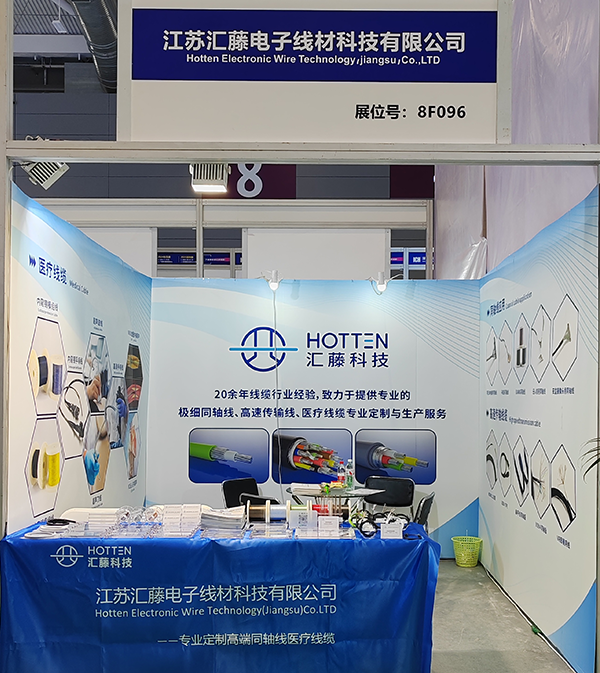
ဆေးဘက်ဆိုင်ရာ အယ်လ်ထရာဆောင်း ကြိုးများ၏ နယ်ပယ်တွင်၊ Hotten Cable hotten သည် ချိတ်ဆက်မှုအရေအတွက်များပြားသော ဖွဲ့စည်းပုံများ၊ ပျော့ပျောင်းမှု အကောင်းဆုံးဖြစ်အောင်ပြုလုပ်ခြင်းနှင့် လျှပ်စစ်ဓာတ်တည်ငြိမ်မှုတို့ကို ရေရှည်သုတေသနနှင့် ဖွံ့ဖြိုးရေး၊ ထုတ်လုပ်မှုဆိုင်ရာ အာရုံစိုက်မှုများကို အာရုံစိုက်ခဲ့သည်။ ကလီနစ်အသုံးချမှုများတွင် အမျိုးမျိုးသော အကြိုးအစီးများပါဝင်သည့် အလွန်ပါးလွှာသော ကြိုးဖွဲ့စည်းပုံများနှင့် ရှည်လျားသော အတွေ့အကြုံများကို အခြေခံ၍ Hotten သည် စနစ်တစ်ခုလုံးအဆင့်တွင် အချက်အလက် တည်ငြိမ်မှု၊ ယာဉ်မောင်းနှင်မှု ကိုက်ညီမှုနှင့် ရေရှည်တည်တံ့ခိုင်မြဲမှုတို့ကို ဟန်ချက်ညီစွာ ထိန်းသိမ်းပေးနိုင်သည့် စက်မှုထုတ်လုပ်မှု ဖြေရှင်းနည်းများကို ဖွံ့ဖြိုးတိုးတက်အောင် ပြုလုပ်ခဲ့သည်။
Hotten သည် ဆေးဘက်ဆိုင်ရာ အယ်လ်ထရာဆောင်း ကြိုးများအတွက် 40–49 AWG အတွင်း ထုတ်လုပ်မှုစွမ်းအားကို လက်ရှိတွင် ပေးဆောင်နိုင်ပါသည်။ 40–46 AWG ဖွဲ့စည်းပုံများ၊ capacitance အဆင့်များ 50–60 pF/m ကို ထုတ်လုပ်မှုတွင် တည်ငြိမ်စွာ ရရှိနိုင်ပါသည်။
ပစ္စည်းရွေးချယ်မှု၊ ဖွဲ့စည်းတည်ဆောက်မှုဒီဇိုင်းနှင့် ထုတ်လုပ်မှုတိကျမှုတို့ကို အဆက်မပြတ် အကောင်းဆုံးဖြစ်အောင် ပြုလုပ်ခြင်းဖြင့် Hotten ၏ အယ်လ်ထရာဆောင်းကြိုးများသည် ချိတ်ဆက်မှုအများအပြားရှိခြင်း၊ အရွယ်အစားသေးငယ်ခြင်းနှင့် ပုံပြောင်းလိုက်လှယ်နိုင်မှုမြင့်မားခြင်းတို့ကဲ့သို့သော တင်းကျပ်သည့် လိုအပ်ချက်များကို ဖြည့်ဆည်းပေးပြီး ဝန်ဆောင်မှုသက်တမ်းတစ်လျှော်လုံး တည်ငြိမ်သော စွမ်းဆောင်ရည်ကို ထိန်းသိမ်းထားနိုင်ပါသည်။ ဤသို့ဖြင့် မူလထုတ်ကို စမ်းသပ်အတည်ပြုခြင်းမှ စ၍ ထုတ်လုပ်မှု၏ အဆင့်အတန်းအထိ ဆေးဘက်ဆိုင်ရာ အယ်လ်ထရာဆောင်းစနစ်များကို ပံ့ပိုးပေးနိုင်သည့် ယုံကြည်စိတ်ချရပြီး ချဲ့ထွင်နိုင်သော ကြိုးအဖြေရှာမှုများကို ရရှိစေပါသည်။
A:ဆေးဘက်ဆိုင်ရာ ကြိုးများသည် ဇီဝသဟဇာ ပစ္စည်းများ၊ စဥ်ဆက်မပြတ် လျှပ်စစ်စွမ်းဆောင်ရည်၊ သန့်စင်ခြင်းကို ခံနိုင်ရည်ရှိမှုနှင့် စက်မှုအရ ယုံကုံစိတ်ချရမှုတို့ကို လိုအပ်ပြီး ဆေးဘက်ဆိုင်ရာ ကိရိယာများ၏ လိုအပ်ချက်များကို ဖော်ပေးရန် လိုအပ်သည်။
A:အဖြေမှန်ပါသည်။ ဆေးဘက်ဆိုင်ရာအဆင့် အလွန်ပေါ့ပါးသော ကြိုးများကို ဓာတုသန့်စင်ခြင်းနှင့် အကြိမ်ပေါင်းများစွာ သန့်စင်ခြင်း လုပ်ငန်းစဉ်များကို ခံနိုင်ရည်ရှိသည့် ပစ္စည်းများနှင့် ဖွဲ့စည်းပုံများဖြင့် ဒီဇိုင်းလုပ်နိုင်ပါသည်။
A:ပစ္စည်းရွေးချယ်မှုသည် ဇီဝသဟဇာတဖြစ်မှု၊ d
 အရေးကြီးသော သတင်းများ
2026-09-17
2026-09-04
2025-12-17
2025-12-11
2025-12-05





 EN
EN