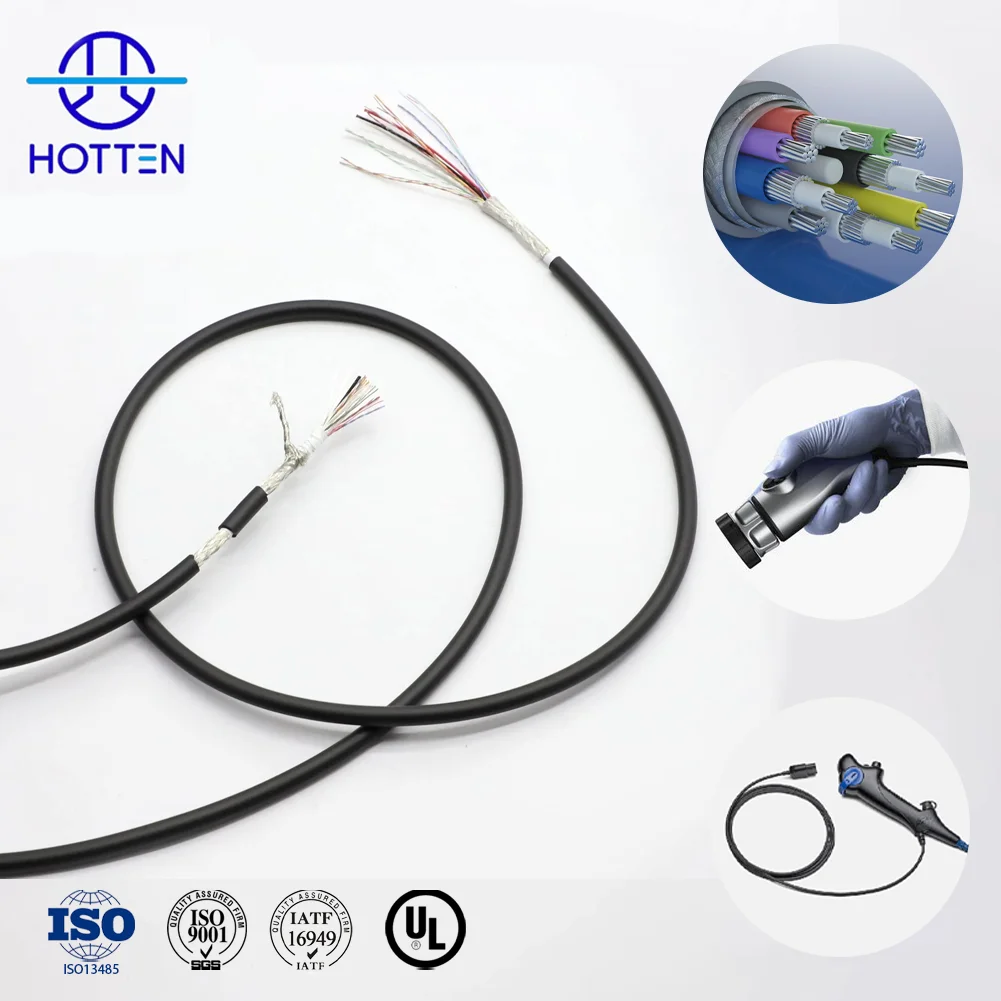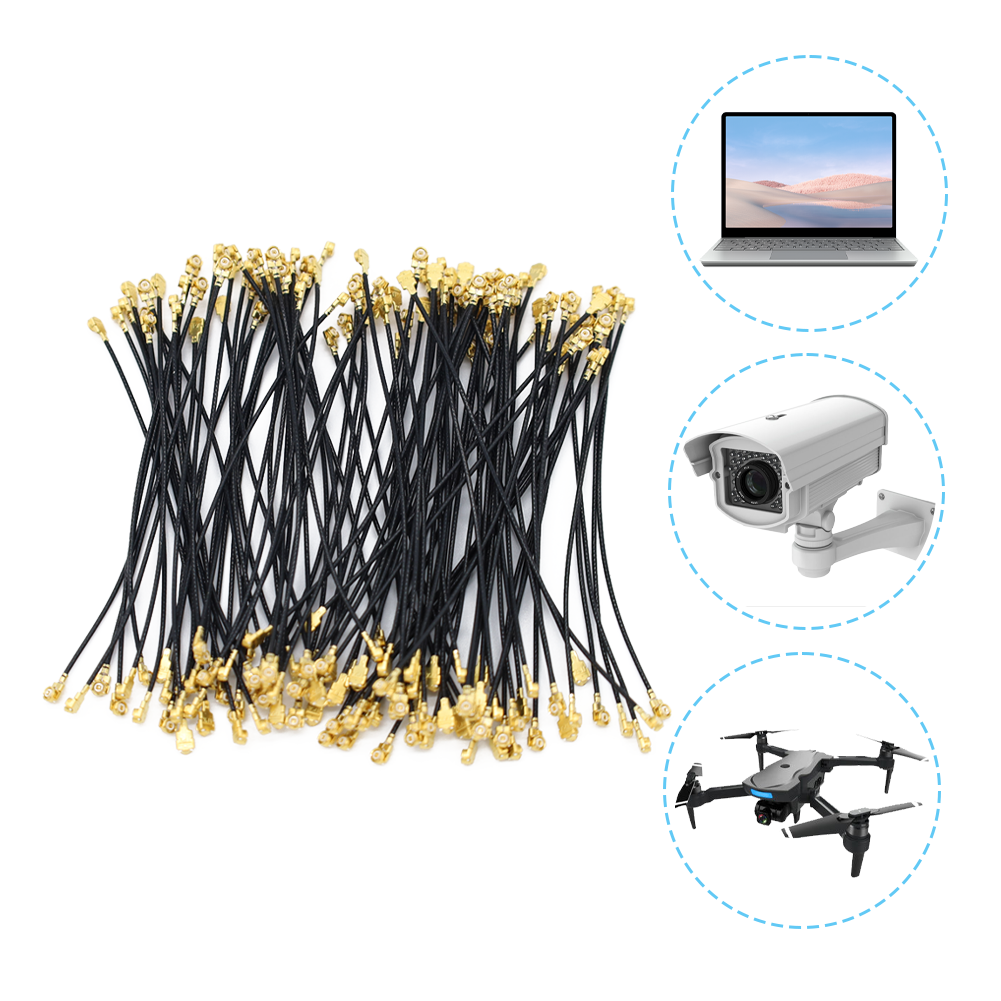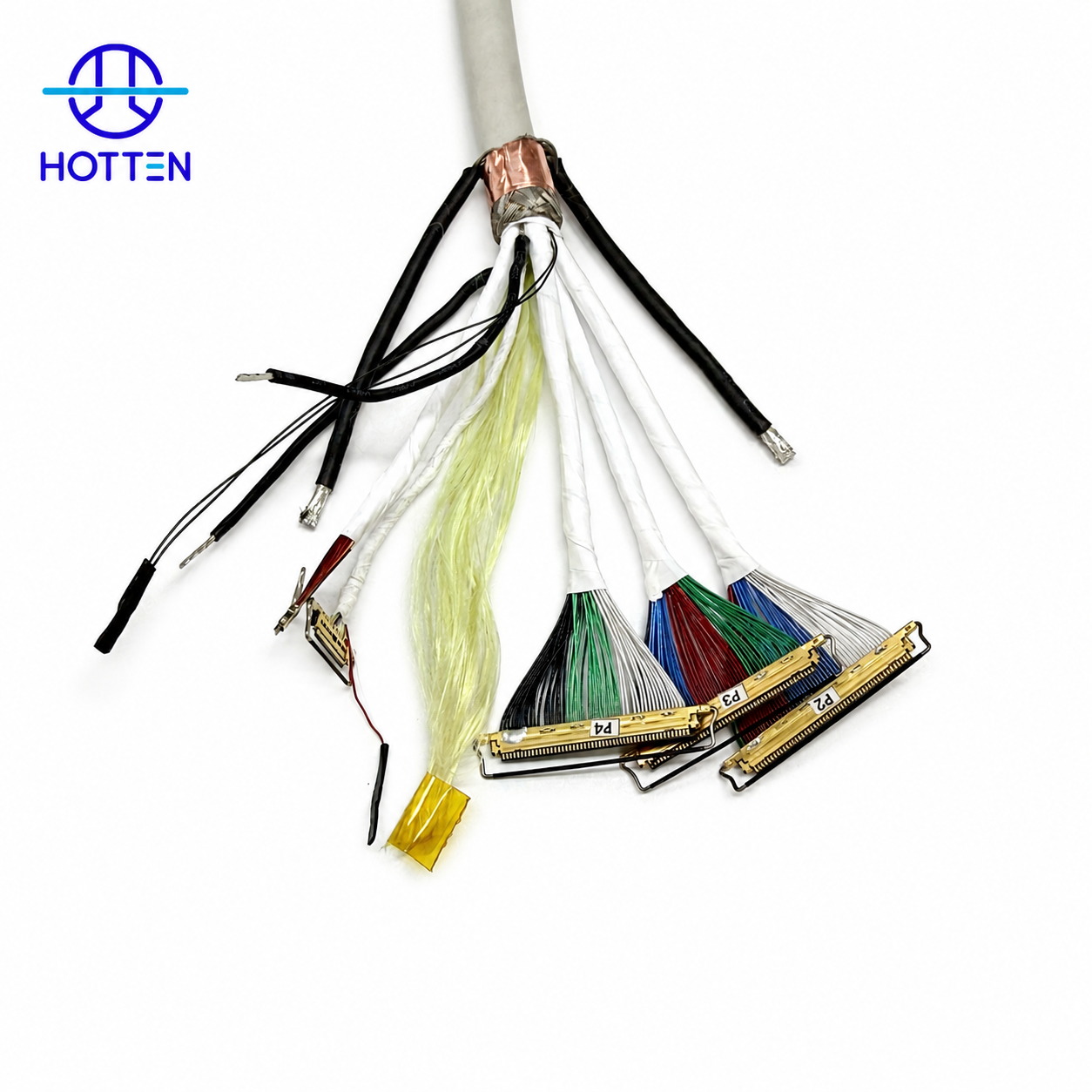

מכלול כבלים ומערכת חוטים משמשים לעיתים קרובות באופן מתחלף, אך לא תמיד הם זהה.
שניהם משמשים לארגון ולחיבור של אותות חשמליים או זרם בין חלקים שונים של מכשיר או מערכת. עם זאת, הבנייה שלהם, סוגי הכבלים, דרישות המתחברים, צורכי השריון והיישומים הרגילים יכולים להיות שונים מאוד.
למהנדסי OEM לצוות הקנייה, הבנת ההבדל היא חשובה בעת בחירת ספק או בקשת הצעת מחיר. בחירת מונחים שגויים עלולה גם להקשות את תקשורת הדרישות החשמליות והמכניות האמיתיות של הפרויקט.
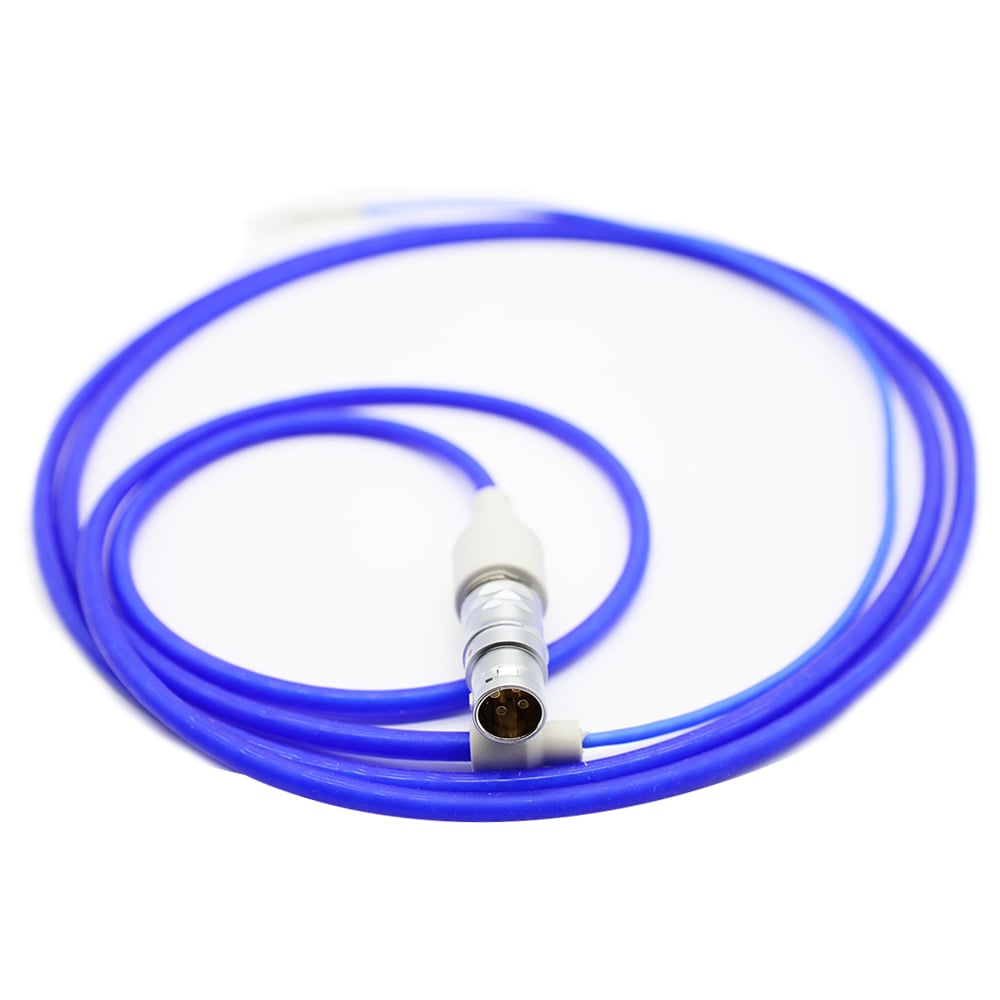
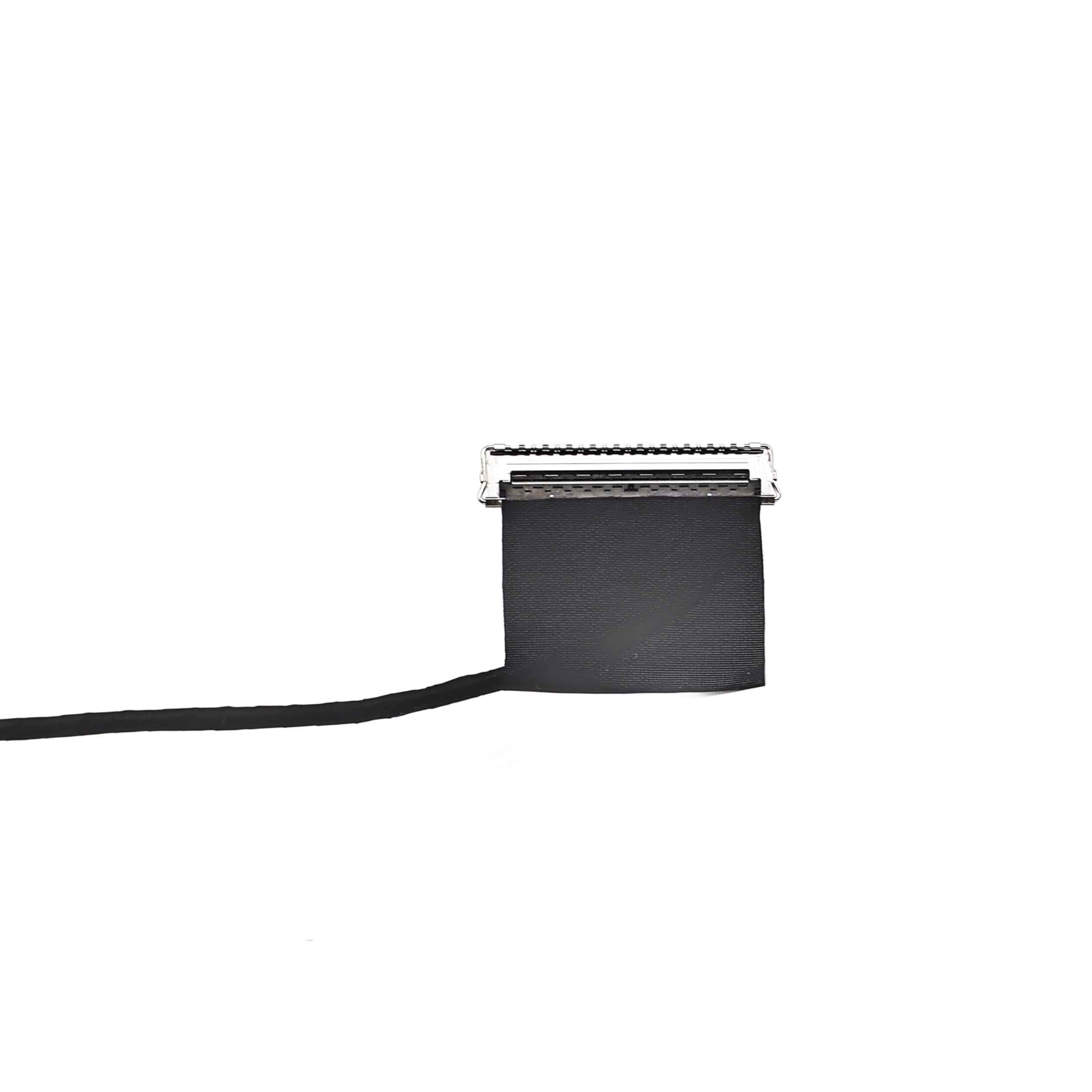
במונחים פשוטים, הרכבת כבלים הוא בדרך כלל כבל גמור עם מתחברים או טרמינלים מחוברים לקצה אחד או לשני הקצוות.
א חֲבָיוּת תַּלְשׁוּץ הוא בדרך כלל קבוצה של חוטים או כבלים בודדים מאורגנים יחד ומסתיימים כך שניתן לכוון מספר מעגלים כאחד.
ההבחנה איננה מוחלטת. בתעשיית הכבלים, שני המונחים יכולים להשתלב בהתאם לייצרן ול_APPLICATION.
| פריט | הרכבת כבלים | חֲבָיוּת תַּלְשׁוּץ |
|---|---|---|
| מבנה בסיסי | כבל אחד או יותר עם קצות מסתיימים | מספר חוטים או כבלים מאורגנים יחד ליחידה אחת |
| כבל טיפוסי | כבל קואקסיאלי, כבל קואקסיאלי מיקרו, זוג מתפתל, כבל מהיר, וכו' | חוטים בודדים, כבלי רב-ליבה, חוטי אותות וחוטי כוח |
| מטרה עיקרית | העברת אותות או כוח בין נקודות חיבור מוגדרות | ארגון ונתיב של מעגלים מרובים |
| מחברים | לרוב מהווה חלק עיקרי של היחידה | טרמינלים, מחברים, קליפים וסיומים אחרים |
| הגנה | עשוי להיות קריטי לאותות מהירים או אותות תדר רדיו | תלוי ביישום ובמעגלים האינדיבידואליים |
| ת Peblications טיפוסיות | הדמיית רפואית, תדר רדיו, אלקטרוניקה מהירה, מצלמות | רובוטיקה, ציוד תעשייתי, אלקטרוניקה לצרכן |
| התאמה אישית | סוג הכבל, התנגדות אופיינית, חיבור, אורך, סיום | בחירת החוט, נתיב ההתקנה, ענפים, נקודות התחברות, חיבורים |
הנקודה החשובה ביותר היא ש ההבדל מבוסס יותר על הבנייה והיישום מאשר על השם בלבד .
מכלול כבל הוא כבל שעבר עיבוד והוספת חיבורים ליישום מסוים.
במקום לרכוש כבל כחומר גולמי ולהתקין חיבורים בנפרד, יצרן מכונות יכול לקבל מכלול מוגמר המוכן להטמעה בציוד שלו.
מכלול כבלים עשוי לכלול:
כבל זוג מתווך
כבל רב-ליבתי
הגנה
מחברים
טרמינלים
פרטי קשר
הפחתת מתח בכבלים
מכסים מגנים או צינורות מגנים
למשל, מכשיר הדמיה רפואית עשוי לדרוש מערך כבלים מיקרו-קוקסיאליים בצפיפות גבוהה עם עשרות מסלולי אותות מינייטוריים ותבנית חיבורים מסוימת.
מצלמה של רחפן עשויה לדרוש מערך כבלים קל משקל וגמיש שמחבר את המצלמה, הגימבל והאלקטרוניקה הבקרה.
הכבל עצמו עלול להיות רק חלק אחד מהפתרון ההנדסי. בחירת החיבורים, איכות הסיום, דרישות הפעימה, השielding, הביצועים החשמליים והממדים המכאניים יכולים להשתף פעולה על המערך הסופי.
מערכת חוטים מעוצבת בדרך כלל כדי לשלב מספר חוטים או כבלים בודדים למערך חשמלי מאורגן.
המטרה אינה רק להעביר אות אחד. המערכת יכולה לכוון מספר מעגלים דרך הציוד תוך שמירה על סדר החוטים וצמצום מורכבות ההתקנה.
מערכת חוטים עשויה לכלול:
חוטים בודדים
חוטים מרובה ליבות
כבלים חשמליים
חוטי אותות
חוטי אדמה
מחברים
טרמינלים
נקודות עניפה
כיסויים או צינורות הגנה
קליפים או רכיבי קבע
לדוגמה, מערכת רובוטית עלולה לדרוש מספר חיבורים של כוח, בקרה, חיישנים ותקשורת. במקום להתקין כל חוט בנפרד, ניתן לארגן מעגלים אלו לחבילה מותאמת של חוטים.
כך נוח יותר להתקין ולתחזק, וניתן לשלוט באופן טוב יותר במסלולים של החיבורים השונים בתוך הציוד.
אין כלל אוניברסלי שכל היצרנים עוקבים אחריו כשמשתמשים במונחים "איגוד כבלים" ו"חבילת חוטים".
ספקים מסוימים משתמשים ב הרכבת כבלים לכל מוצר כבל מוגמר כמעט בכל מקרה.
אחרים משתמשים ב חֲבָיוּת תַּלְשׁוּץ כאשר הרכבה כוללת מספר חוטים, ענפים, טרמינלים או נתיבי רכיבה מורכבים.
ייתכן גם שקיימים מוצרים היברידיים.
לדוגמה, הרכבה יכולה לכלול מספר כבלים מיקרו קואקסיאליים, חוטי כוח, שילוט והרבה סוגי מחברים. בהתאם לספק, ייתכן שתתואר כהרכבת כבלים, כבל הרש (harness) או כבל הרש היברידי.
למטרות רכישה, הבנייה המדויקת והדרישות החשובות יותר משם המוצר .
הרכבת כבלים היא לעיתים קרובות בחירה טובה כאשר הפרויקט כולל חיבור מוגדר בין שני רכיבים או יותר והביצועים החשמליים של הכבל הם חשובים.
דוגמאות טיפוסיות כוללות:
ציוד ליצירת דמויות רפואיות עלול לדרוש חיבורים גמישים וקומפקטיים של כבלים עם צפיפות אותות גבוהה.
חיישני אולטראסאונד הם דוגמה אחת שבה ייתכן שיהיה צורך להכניס מספר רב של ערוצי אותות לתוך מבנה כבל קטן וגמיש.
חיבורי כבלים מיקרו-קוקסיאליים עשויים להתאים כאשר יש מגבלה בשטח וכאשר חשוב להבטיח ניקוז אותות והגדרת מאפיינים חשמליים מבוקרת.
יישומים בתחום RF עלולים לדרוש התנגדות אופיינית מבוקרת, סיכוך וסיום מעוצב בקפידה.
לכן יש להתייחס לחיבור הכבל כאל מסלול העברה מלא, ולא רק כאל קטע כבל עם מחברים.
תלוי ביישום, הדרישות עשויות לכלול:
השיכבון המטרה
דעיכה
אובדן החזרה
יחס גלי עומד
הגנה
ממשק מחבר
תדירות הפעלה
הדרישות הללו צריכות להיות מוגדרות בהתאם למערכת האמיתית ולתנאי הבדיקה.
ממשקים בעלי מהירות גבוהה רגישים לאיכות האות.
בחירת הכבל, בחירת המחבר, אורך הכבל, בקרת ההתנגדות, הסיכוך והסיום — כל אלה יכולים להשפיע על ביצועי המערכת.
לסוג זה של פרויקט, יצרן ציוד מקורי עשוי להרוויח מעבודה עם ספק שמסוגל להעריך את הכבל והמחבר כיחידה אחת.
חיבוט כבלים לעתים קרובות מתאים יותר כאשר המערכת מכילה מעגלים מרובים שצריכים להיות מכוונים ומחוברים יחד.
ת Peblications טיפוסיות כוללות:
רובוטיקה
כלי טיס רבי־מנועים (UAV) ודרונים
אלקטרוניקה צרכנית
מצלמות ומערכת תומכת (gimbals)
ציוד בקרה
מודולים אלקטרוניים
מערכות אלקטרו־מכניות קטנות
לדוגמה, מפרק רובוטי עלול לכלול כוח למנוע, אותות מקודד, חיבורים לחיישנים וקווים לתקשורת.
חיבוט מותאם אישית יכול לארגן את החיבורים האלה לתבנית מוגדרת של כיוון, תוך התחשבות במרחב הזמין, בעקומה, בתנועה, במיקום המחברים ובדרישות ההתקנה.
הבחירה לא חייבת תמיד להיות אחת מהשתיים.
מערכות אלקטרוניות מודרניות דורשות יותר ויותר צירופים שמשלבים סוגי כבלים וחוטים שונים.
צירוף מותאם אישית יכול לכלול:
כבלים קואקסיאליים מיקרוסקופיים לאותות בתדר גבוה
חוטים דקים לחיבורים זעירים של זרם
מוליכי כוח
קווים محمים לאותות
סוגים רבים של חיבורים
עיצוב מסוג זה יכול להיות מועיל במיוחד כאשר שטח ההתקנה הזמין מוגבל.
במקום לטפל בכל כבל כרכיב נפרד, הספק יכול לפתח צירוף משולב סביב דרישות הממשק והנתיבים המדויקים של הציוד.
בין אם הפרויקט נקרא צירוף כבלים או חגורת חוטים, הספק זקוק למידע טכני מספיק כדי לקבוע האם העיצוב ניתן לייצור.
בקשה מועילה למחיר (RFQ) אמורה בדרך כלל לכלול את המידע הבא:
| דרישה | מידע לדוגמה |
|---|---|
| יישום | מכשיר רפואי, רחפן, רובוטיקה, מערכת הדמיה |
| סוג כבל | כבל קואקסיאלי מיקרו, קואקסיאלי, זוג מתפתל, חוט דק |
| מספר מסלולים | מסלולי אות או הספקה הנדרשים |
| אורך כבל | אורך הרכבה הסופי |
| מחבר | דגם המחבר, הסדרה או התרשים |
| דרישות חשמליות | תנגדות תצורה, מתח, זרם, תדר, הדämpה |
| הגנה | שיכוב עלים, שיכוב סריג, שיכוב פרטני או כולל |
| דרישות מכניות | רדיוס עקימה מינימלי, גמישות, מקום לרouting |
| סביבה | דרישות לטמפרטורה, לחות, ניקוי או סטריליזציה |
| השלמה | היצמדות, לחיצה, ריתוך או תהליך אחר |
| בדיקה | בדיקות התחברות, בידוד, התנגדות, תדר רדיו או בדיקות אחרות שנקבעו על ידי הפרויקט |
| כמות | אשכול ניסיוני, ייצור ניסיוני או ייצור המוני |
ככל שהמידע יהיה מדויק יותר, כך יהיה קל יותר לספק להעריך את העיצוב ולתת הצעת מחיר משמעותית.
בפרויקטים של יצרני ציוד מקורי (OEM), HOTTEN מתמקדת בפתרונות מותאמים אישית לכבלים אלקטרוניים ואסמבלי כבלים, ולא מתייחסת לכל פרויקט כאל מוצר סטנדרטי שמתאים לכל אחד.
לפי היישום, ניתן לפתח את האסמבלי בהתאם לדרישות כגון:
מבנה כבל ממוזער
קַבֵּל מִקְרֹוִי מִזְעֵר
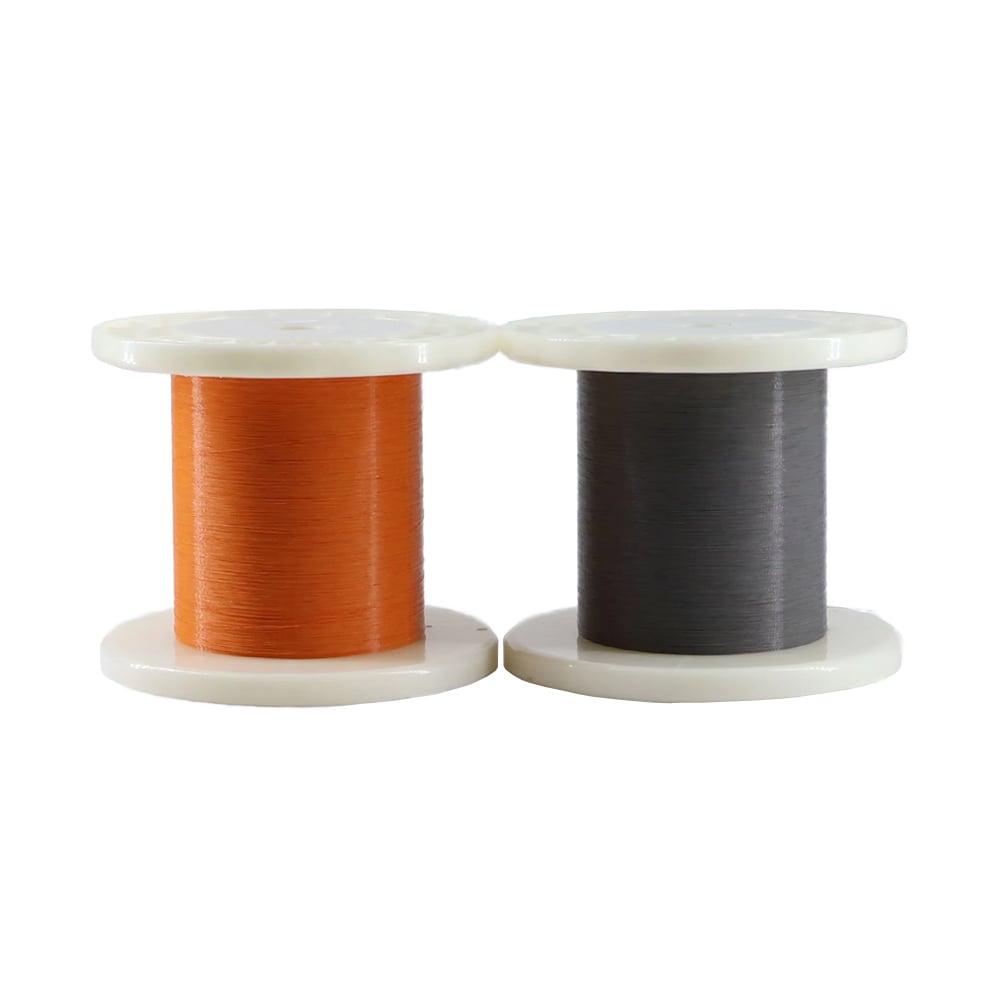
חוט אלקטרוני דק במיוחד
העברה צפופה של אותות
נתיבי כבל גמישים
התקנת מחבר
דרישות שילוט
אורך ותצורה מותאמים אישית של הכבל
בישומים רפואיים, כלי טיס ללא טייס (UAV), רובוטיקה, אלקטרוניקה לצרכנים ויישומים בתדר גבוה, יש לקחת בחשבון את מבנה הכבל יחד עם החלל הזמין בציוד, דרישות האות, התנועה המכנית והמשרדים החיבורים.
הגישה המנוהלת על ידי היישום היא חשובה במיוחד כאשר כבלים מהקטלוג הסטנדרטי אינם יכולים לספק את דרישות הגודל, הגמישות, הצפיפות או החיבורים של הציוד.
אין תשובה אוניברסלית.
בחר הרכבת כבלים כאשר הפרויקט דורש בעיקר חיבור כבל מוגדר עם מאפיינים חשמליים או תחומים מסוימים.
בחר חֲבָיוּת תַּלְשׁוּץ כאשר יש צורך לארגן מספר חוטים, מעגלים, ענפים או חיבורים לתוך מכלול אחד.Ready for installation.
אם המוצר כולל שני סוגי המבנים, מכלול היברידי מותאם אישית עשוי להיות מתאים יותר.
לצוותי הקנייה של יצרני ציוד מקורי (OEM), השאלה הטובה יותר איננה פשוט:
"האם אני צריך מכלול כבלים או harness חוטים?"
במקום זאת, שאל:
"אילו דרישות חשמליות, מכניות, חיבורים, נתיבי רכיבה וסביבתיות חייב המכלול הסופי לקיים?"
מידע זה מספק לספק בסיס ברור בהרבה לבדיקה הנדסית ולחישוב ההצעה.
לא בהכרח. אסוציאציה של כבל מתייחסת בדרך כלל לכבל מסיים או לקבוצת כבלים, בעוד שאסוציאציה של חוטים מסדרת בדרך כלל מספר חוטים או מעגלים ליחידה אחת. עם זאת, המונחים התעשייתיים משתנים והשניים יכולים להשתלב.
ההבדל העיקרי הוא בדרך כלל הבנייה והמטרה. אסוציאציות של כבלים מתמקדות בדרך כלל בחיבור אות או חשמל מוגדר, בעוד שאסוציאציות של חוטים משמשות בדרך כלל לארגון ולנתיב של מספר מעגלים חשמליים.
כן. אסוציאציה מותאמת אישית יכולה לכלול סוגי כבלים וחוטים שונים, כולל כבלים קואקסיאליים או מכוסים, בהתאם ליישום.
כן. אסוציאציות של כבלים ליצרנים מקוריים (OEM) ניתנות להתאמה לפי סוג הכבל, האורך, החיבורים, השielding, הדרישות החשמליות, הממדים המכניים ודרישות פרויקט ספציפיות אחרות.
התשובה תלויה בהתקן. יישומים של הדמיה בעלת צפיפות גבוהה עלולים לדרוש חיבורי כבלים מיוחדים, כגון חיבורי כבלים קואקסיאליים מיקרוסקופיים, בעוד שציוד שכולל מערכות רבות של כבלי כוח, בקרה ואותות עלול להשתמש במבנה ציריות מורכב יותר.
לפחות יש לספק את היישום, סוג הכבל או החוט, האורך, פרטי המתחברים, מספר המעגלים, הדרישות החשמליות, המגבלות המכניות, התנאים הסביבתיים, הבדיקות הנדרשות והכמות הצפויה.
חיבורי כבלים וציריות כבלים משרתים מטרות דומות, אך הם מעוצבים סביב סוגי דרישות חשמליות ומיכניות שונים.
המונחים עלולים להשתנות בין ספקים, ולכן קונים של יצרני מכונות מקוריים (OEM) צריכים להתמקד פחות בשם ולמרות זאת יותר בבנייה המדויקת, טכנולוגיית הכבלים, המתחברים, הביצועים החשמליים, נתיבי ההתקנה, הגמישות והדרישות לבדיקות.
לפרוייקטים הכוללים כבלים קואקסיאליים מיקרוסקופיים, חוטים דקים במיוחד, ציוד רפואי, כלי טיס ללא טייס, רובוטיקה, אלקטרוניקה מהירה או מערכות אחרות עם מגבלות מקום הרכבה מותאמת אישית יכולה לעתים קרובות לספק התאמה טובה יותר מאשר כבל סטנדרטי.
הוטן מספקת פתרונות מותאמים אישית לכבלים והרכבות כבל ליישומים של יצרנים מקוריים, כולל כבלים קואקסיאליים מיקרוסקופיים, חוטים דקים, תחום הרפואי, כלי טיס ללא טייס, רובוטיקה ואלקטרוניקה מהירה.
יש לכם דרישה להרכבת כבל מותאמת אישית? פנו להוטן עם השרטוטים, المواصفות או דגימות הדרישות שלכם כדי לקבל הערכה הנדסית ותעריף.
 חדשות חמות
2026-09-17
2026-09-04
2025-12-17
2025-12-11
2025-12-05




 EN
EN