
מערכות הדמיה ברזולוציה גבוהה דורשות יותר מסנסורים ומעבדים מתקדמים.
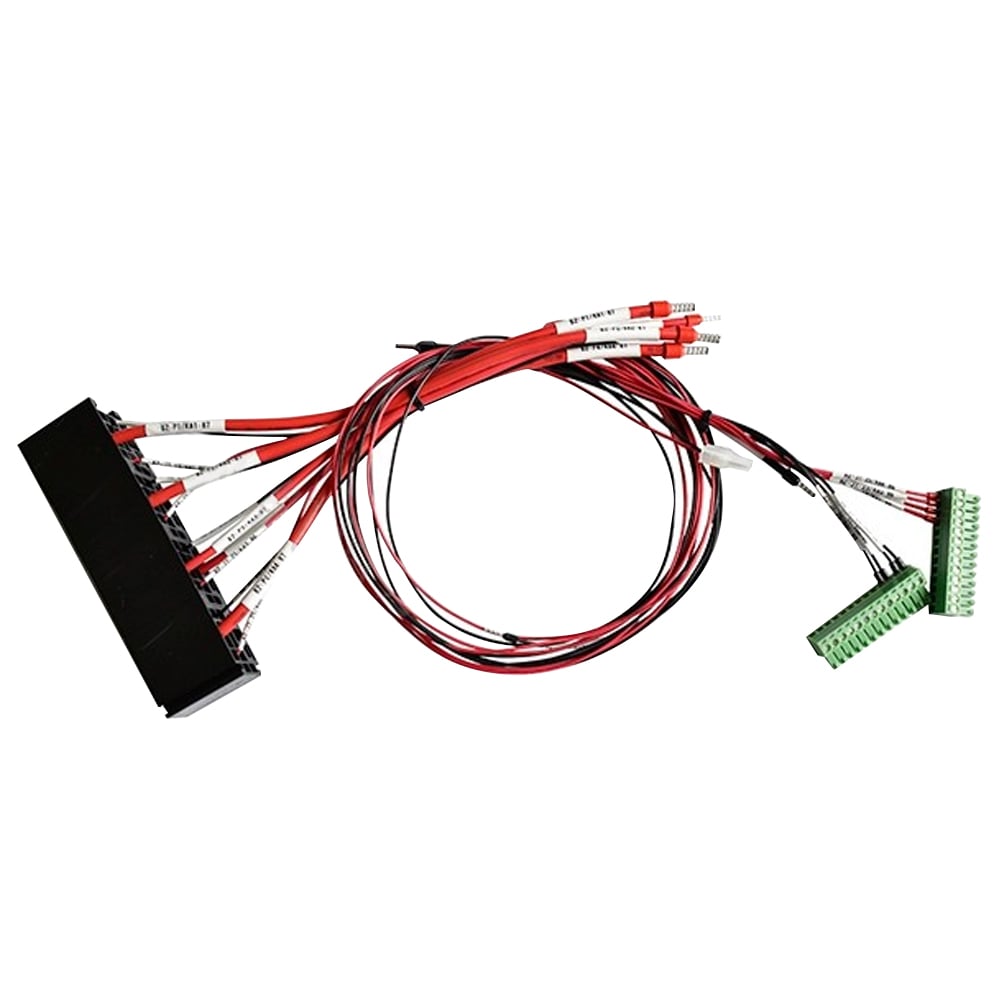
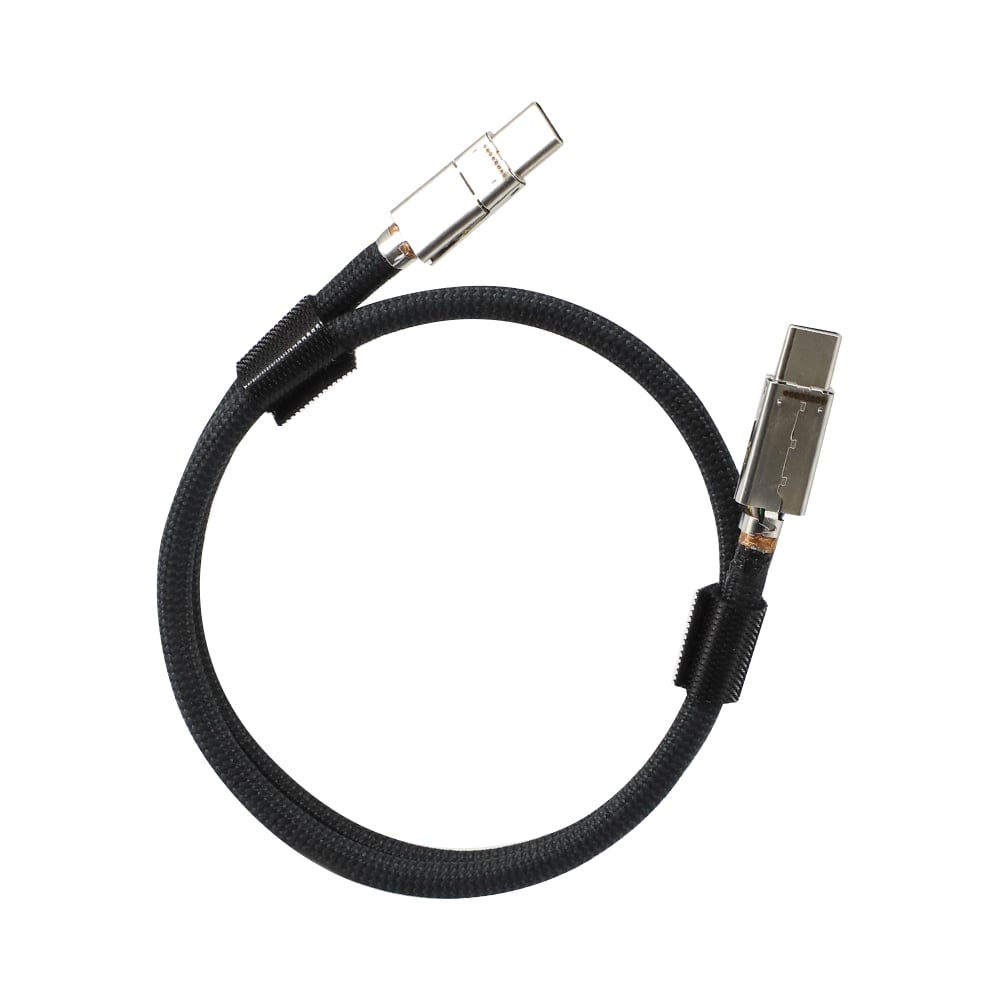
הסיבוב החוטי שמחבר את מודולי הדמיה חייב לשמור על העברת אותות יציבה, הפרעה נמוכה ואמינות מכנית במרחבים מצומצמים ביותר.
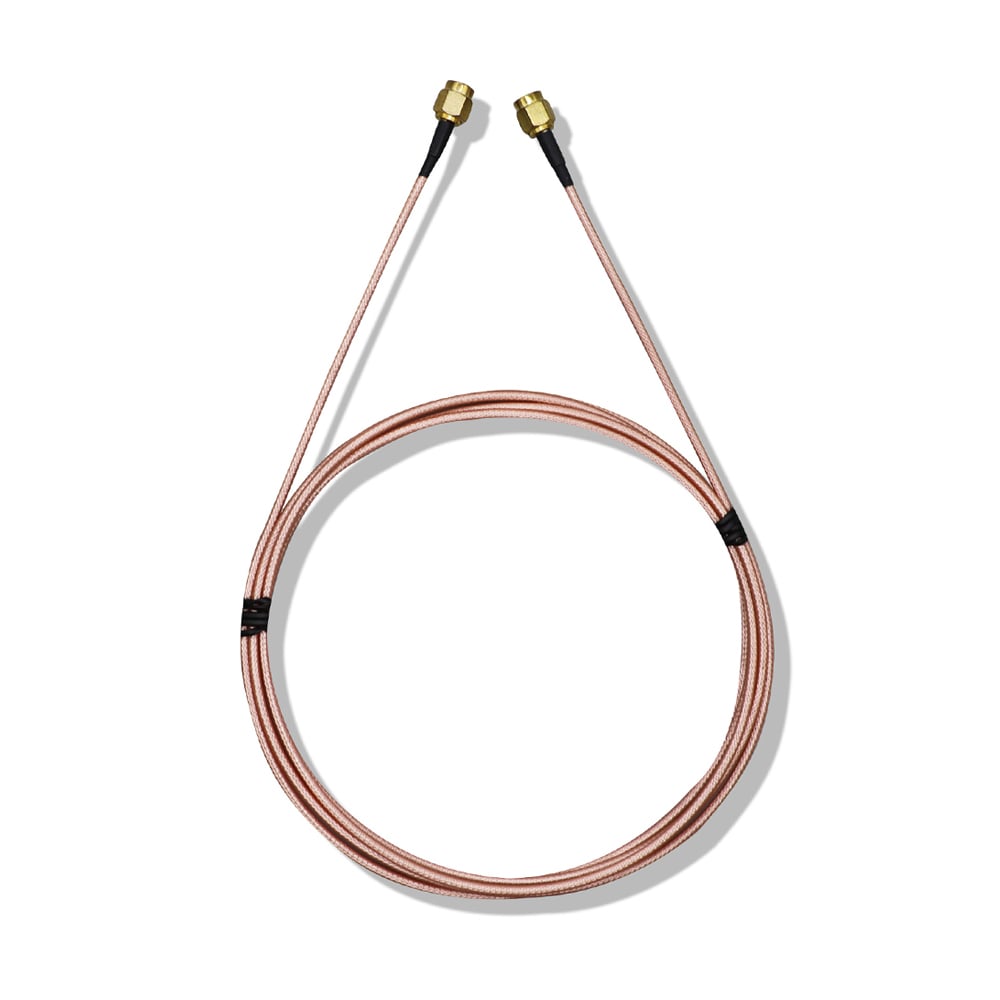
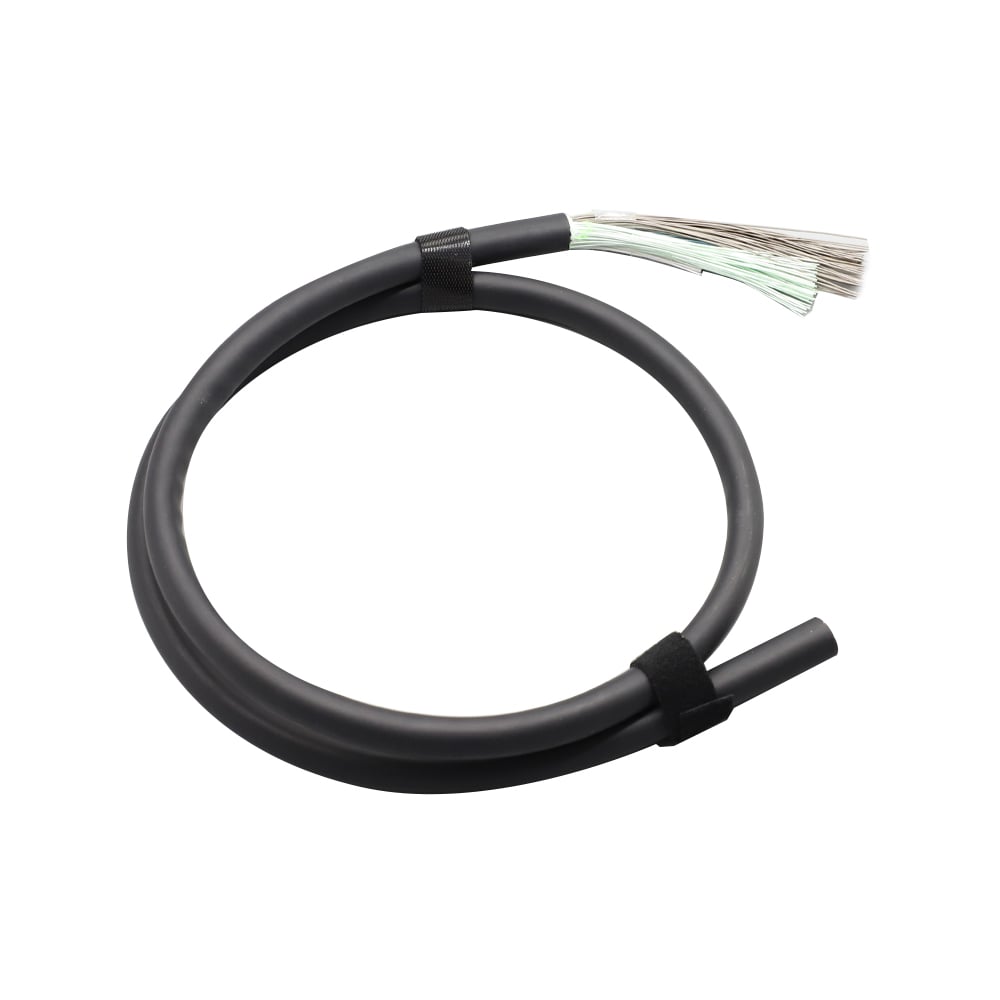
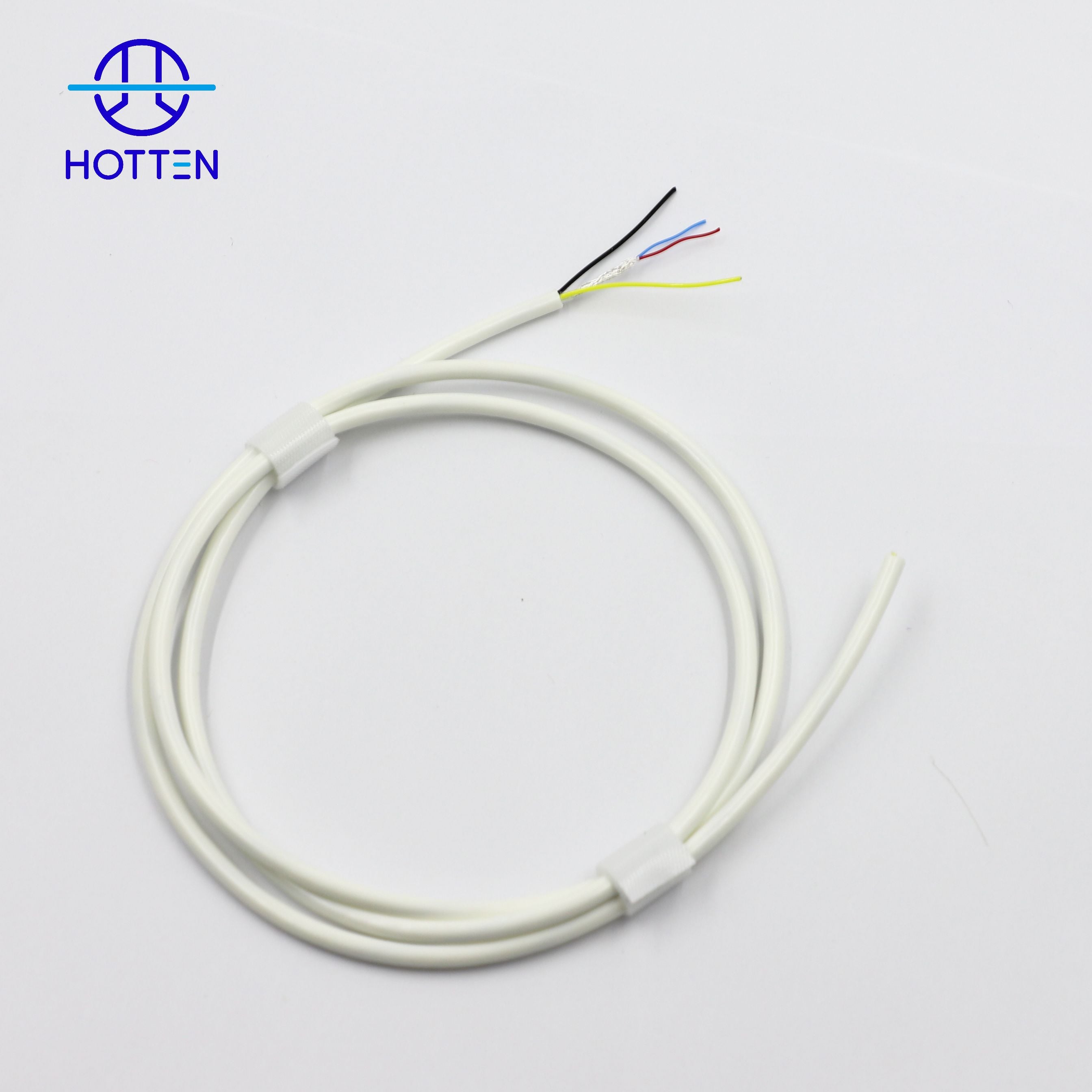
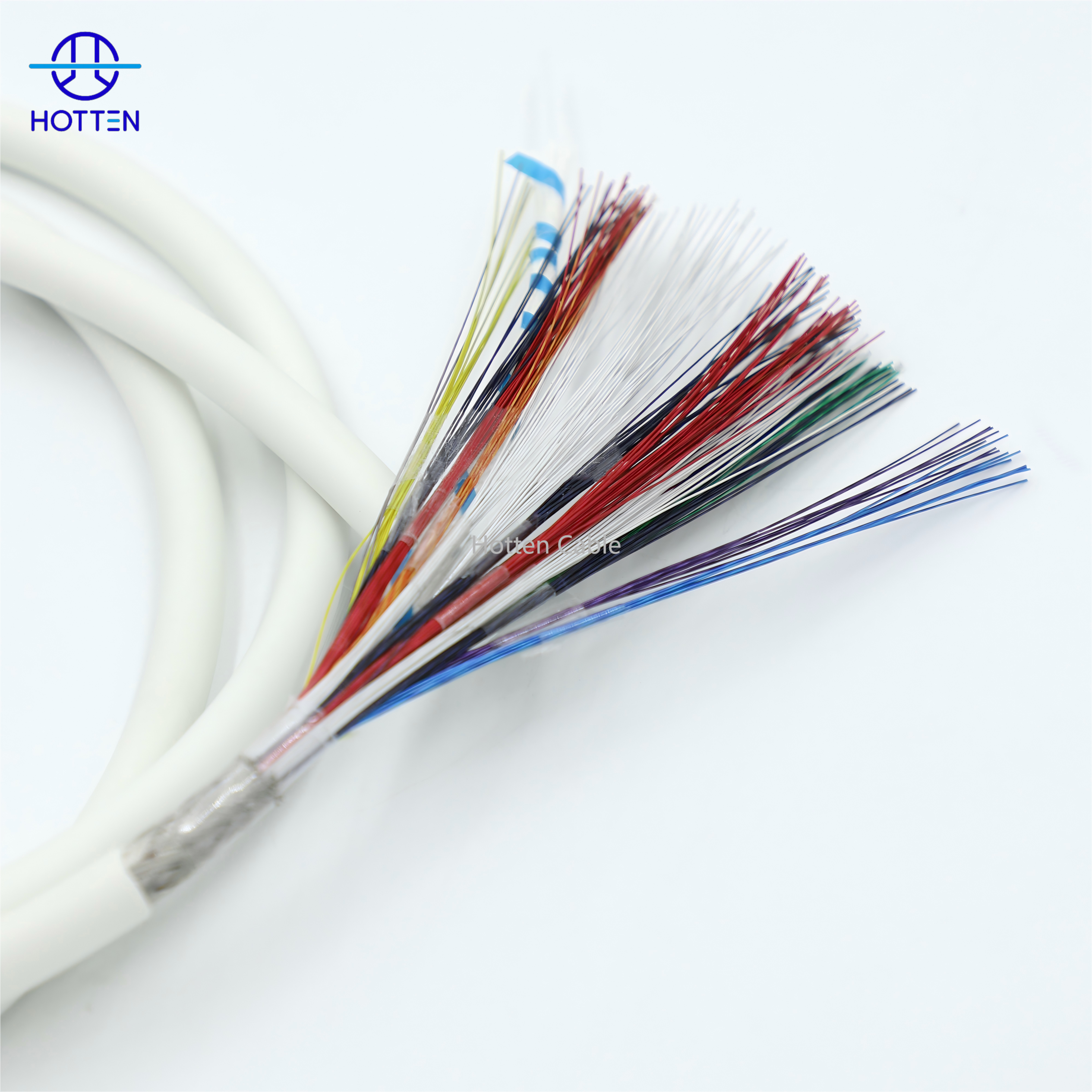
כבלים קואקסיאליים מיקרו היוו לפתרון חיבור קריטי למכשירי הדמיה רפואית, מצלמות תעשייתיות ומערכות אלקטרוניות מדויקות.
הבסיס הטכני: למה קַבֵּל מִקְרֹוִי מִזְעֵר הוא הבחירה האידיאלית לתמונות ברזולוציה גבוהה
הביטו מתחת לפני השטח, ותגלו שותף מרובה שכבות, מעוצב בקפידה לצורך דיוק.
מבנה ועיצוב
חשבו על כבל קואקסיאלי מיקרוסקופי כעל צוות מאומן היטב:
ובכל זאת, למרות כל החוזק הזה, הוא נכנסת בקלות למכשירים הדקים ביותר של ימינו בלי להצטער.
קַבֵּל מִקְרֹוִי מִזְעֵר לעומת כבל טרاديционלי ליישומי הדמיה
| תכונה | קַבֵּל מִקְרֹוִי מִזְעֵר | כבל טרاديционלי |
|---|---|---|
| קוטר | קטן במיוחד | גָּדוֹל יוֹתֵר |
| אינטגריטת אות | ביצועים מעולים בתדרים גבוהים | אובדן אותות גבוה יותר |
| הגנה על EMI | שידור פרטני | הגנה מוגבלת |
| גמישות | יכולת עקיצה גבוהה | נמוך יותר |
| יישום | הדמיית רפואית, מצלמות, רובוטיקה | אלקטרוניקה כללית |
למה זה מצליח
יישומים מרכזיים: כבל קואקסיאלי מיקרו בפעולה
1. אנדוסקופיה רפואית ומערכות הדמיה בקטטרים
במהלך ניתוח, ברוריות מצילה חיים. כאן, כבלים קואקסיאליים מיקרו מחברים את קצה המצלמה לתצוגה, ומספקים חזות HD בזמן אמת שעליה מסתמכים הניתוחנים. הם נשארים דקיקים כדי לקליל את הניווט, שומרים על הפרטים האמיתיים, ועומדים בדרישות הסטריליזציה החוזרות. חברת Hotten Electronic Wire Technology (Jiangsu) Co., Ltd. מספקת חיבורים מיקרו-קוואקסיאליים מותאמים אישית ליישומי הדמיית רפואית.
2. בדיקת תהליכים תעשייתיים והדמיה ממוחשבת
על קו הייצור, כבלים אלו מחברים מצלמות מהירות למעבדים, ומאפשרים משימות כגון זיהוי פגמים מיקרוסקופיים או מדידת חלקים תוך כדי תנועה. השילדה שלהם מאפסת את הרעש החשמלי, כך שהבדיקות נותנות דיוק מוחלט — גם בסביבה מלאה במכונות שמרעישות.
3. הדמיה מדעית ומערכת מעקב מתקדמת
מקבלי מיקרוסקופים מעבדתיים ועד מצלמות מצפיות, כבלים קואקסיאליים מיקרוסקופיים מעבירים נתונים גולמיים, לא דחוסים, ללא פגיעה באיכות. בין אם צולמים פרטים תאיים או עוקבים אחר אתרים קריטיים, הם מבטיחים שהדימוי שצפיתם בו הוא בדיוק זה שנמצא במקום. פתרונות הכבל הללו בשימוש נרחב בסביבות הדמיה המאתגרות.
כבלים מיקרו-קוואקסיאליים משמשים להעברת אותות בתדר גבוה בהדמיית רפואית, במצלמות, ברובוטיקה ובמערכות אלקטרוניות קטנות.
בגלל שהם מספקים התנגדות יציבה, סגירה נגד הפרעות אלקטרומגנטיות (EMI), דämpון נמוך וממדים קומפקטיים.
כן. חיבורים מיקרו-קוואקסיאליים מעוצבים כראוי יכולים לתמוך בדרישות ההעברה של וידאו מהיר והדמיה.
ציוד רפואי, מצלמות תעשייתיות, מערכות UAV, רובוטיקה ואלקטרוניקה לצריכה.
בחירת הכבל המושלם שלכם: בדיקת מציאות מהירה
שאלו את עצמכם:
מכשולים בעולם האמיתי? יש לנו תשובות
כל צירופי הכבלים ליישומים רפואיים מיוצרים לפי مواנה של הלקוח ולדרישות התקינה הרלוונטיות. אחריות הסופית לאישור התאימות של המכשיר הרפואי נותרת על יצרן המכשיר הרפואי.
מה הבא?
הדמיית הרפואה נוסעת במהירות לכיוון רזולוציה של 8K, תלת-ממד וקצב פריימים מהיר במיוחד. הכבלים ימשיכו לקטן בגודלם תוך כדי הגברת רוחב הפס והעמידות. חומרים חכמים יותר — שילוט דור הבא, דיאלקטריקים מתקדמים — ישמירו על ניקיון האותות יותר מתמיד. ההתפתחות השקטה ממשיכה.
סיכום
אל תתנו לגודל הקטן שלו לטעות אתכם: כבל המיקרו קואקסיאלי הוא העמוד השדרה היציב של הדמיית רזולוציה גבוהה בכל מקום. הוא מחוץ לטווח הראיה, אך לעולם לא מחוץ למחשבה — הוא מספק מהירות, בהירות וביטחון ברגעים שבהם זה חשוב ביותר.
ב-Hotten Electronic Wire Technology (Jiangsu) Co., Ltd. אנו משקיעים את אותה דאגה בכל כבל מיקרו קואקסיאלי מותאם אישית שאנו מייצרים — עבור אנדוסקופים שמדליקים, מערכות ראייה שזוכות לכל פגם, ומעבדות שרדפות אחר גילויים. אמינות. גמישות. ביצועים. זהו ההבטחה שלנו.
יש לכם פרויקט בראשכם? יש לפנות לצוות ההנדסה שלנו לצורך הערכת טכנית ותמיכה בהתאמה אישית.
מתעניינים? התנסו בכבלים האולטרה-דקים והגמישים ביותר שלנו, או עיינו באחד המסמך הלבנים שלנו על שמירת האותות נקיים במקום שבו זה חשוב ביותר.
 חדשות חמות
2026-09-17
2026-09-04
2025-12-17
2025-12-11
2025-12-05





 EN
EN