 EN
EN
روابط سريعة

في الكاميرات عالية الدقة، والهواتف القابلة للطي، ومناظير التنظير الطبية، ومحامل الطائرات المسيرة، يظهر مصطلح « كابل توصيل متماسك دقيق عيار ٥٠ » بشكلٍ متزايد. ويعتقد كثير من الناس أن الصعوبة في تصنيع كابل التوصيل المتماسك الدقيق عيار ٥٠ لا تتجاوز «تصغير قطر الكابل فقط» — لكن الحقيقة أن هذا مجرد الخطوة الأولى. أما التحدي الحقيقي فهو: الحفاظ على اتساق المعاوقة، وسلامة الإشارة، والموثوقية الميكانيكية، وكفاءة الإنتاج الضخم، كل ذلك في آنٍ واحدٍ رغم الأبعاد الصغيرة جدًّا.
كابل المايكرو كواكسيالي عيار 50 يكون ذا صلةٍ بالغةٍ عندما تتميَّز التطبيقُ بمزيجٍ غير معتادٍ من قيود المساحة المتاحة للتوجيه، وكثافة الإشارات، والمرونة، ومتطلبات النقل عالي التردد . وهيكله الدقيق جدًّا يمكن أن يوفِّر هامشًا أبعاديًّا إضافيًّا، لكن عملية التصنيع تصبح أكثر حساسيةً لتقلُّبات الموصل والعازل والدرع والأبعاد وعملية التجميع. ولذلك فإن أصغر عيارٍ متاحٍ ليس بالضرورة الخيار الهندسي الأفضل تلقائيًّا.
إذا كانت المساحة المتاحة للتوجيه محدودةٌ للغاية، ولا يمكن لكابلٍ أكبر أن يتوافق مع الحيز الميكانيكي المسموح → فقيِّم استخدام عيار 50 → لأن هيكله الدقيق جدًّا يمكن أن يساعد في تقليل حجم الكابل ويدعم التوجيه عالي الكثافة. انظر إلى شركة هوتين كابل شعاعي مصغّر حلولٌ للتطبيقات المدمجة عالية الكثافة.
إذا كانت التطبيقة تقبل زيادة طفيفة في حجم الكابل، لكنها تُركِّز بشكل أكبر على المتانة الميكانيكية وهامش الإنتاج → يمكن النظر في استخدام مقاس ٤٨ أو ٤٦ من مقياس الأسلاك الأمريكي (AWG) → لأن الموصل الأكبر ودرجة التصغير الأقل حدة توفران هامش تصميم إضافي. لمثال عملي على مرونة كابل مقاس ٤٦ من مقياس الأسلاك الأمريكي (AWG)، انظر كيف قمنا بتحسين كابل الميكرو المحوري 46AWG لتحقيق مرونة فائقة .
إذا احتاجت التطبيقة إلى نقل إشارات ذات تردد عالٍ → يجب تقييم شكل الموصل وهيكل العازل والدرع والممانعة والتخفيض والطول الكلي للكابل معًا → بدلًا من اختيار مقاس ٥٠ من مقياس الأسلاك الأمريكي (AWG) استنادًا فقط إلى قطر الكابل. للاطلاع على الاعتبارات المتصلة بالمقاومة الكهربائية، انظر أهمية اتساق المعاوقة في كابلات الميكرو-كواكسيالية فائقة الدقة (AWG) .
إذا كان الكابل سيدخل مرحلة الإنتاج الضخم → تأكَّد من إمكانية إعادة إنتاج الأبعاد المطلوبة والأداء الكهربائي والدرع والخصائص الميكانيكية وطرق التوصيل بدقة وثبات → لأن إمكانية تنفيذ النموذج الأولي لا تدلُّ وحدها على الجاهزية للإنتاج.
للاطلاع على تحديات تصميم الكابلات فائقة الدقة على نطاق أوسع، انظر لماذا يُعد تصميم كابلات التوصيل المحوري عالي التردد فائقة الدقة أمرًا بالغ الصعوبة .
للمجموعات الكابلية عالية الكثافة المخصصة، راجع شركة هوتين وحدة كابل ميكرو-Coaxial .
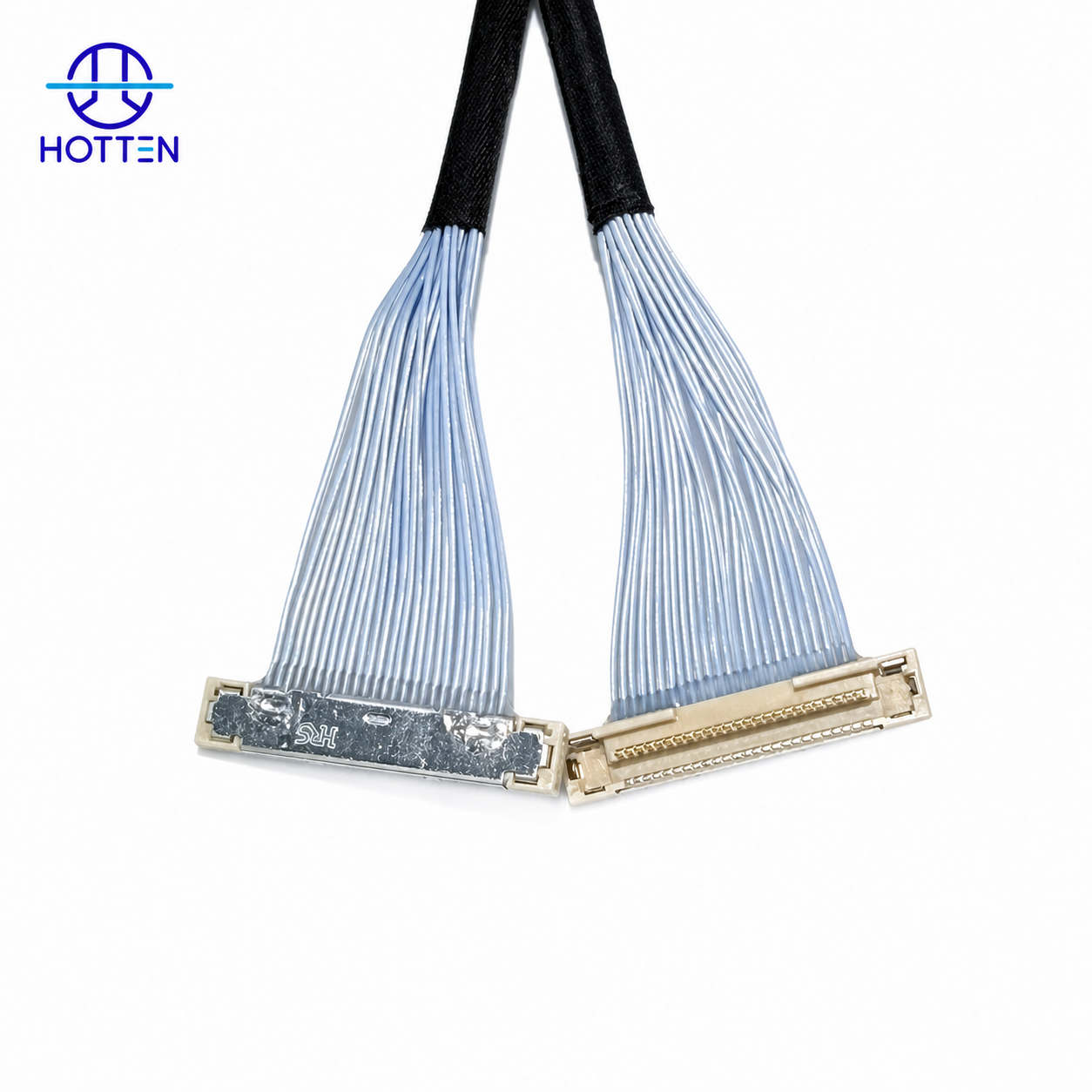 1. ما هو كابل التوصيل المحوري الدقيق عيار 50 AWG ولماذا يجب أن يكون رقيقًا جدًّا؟
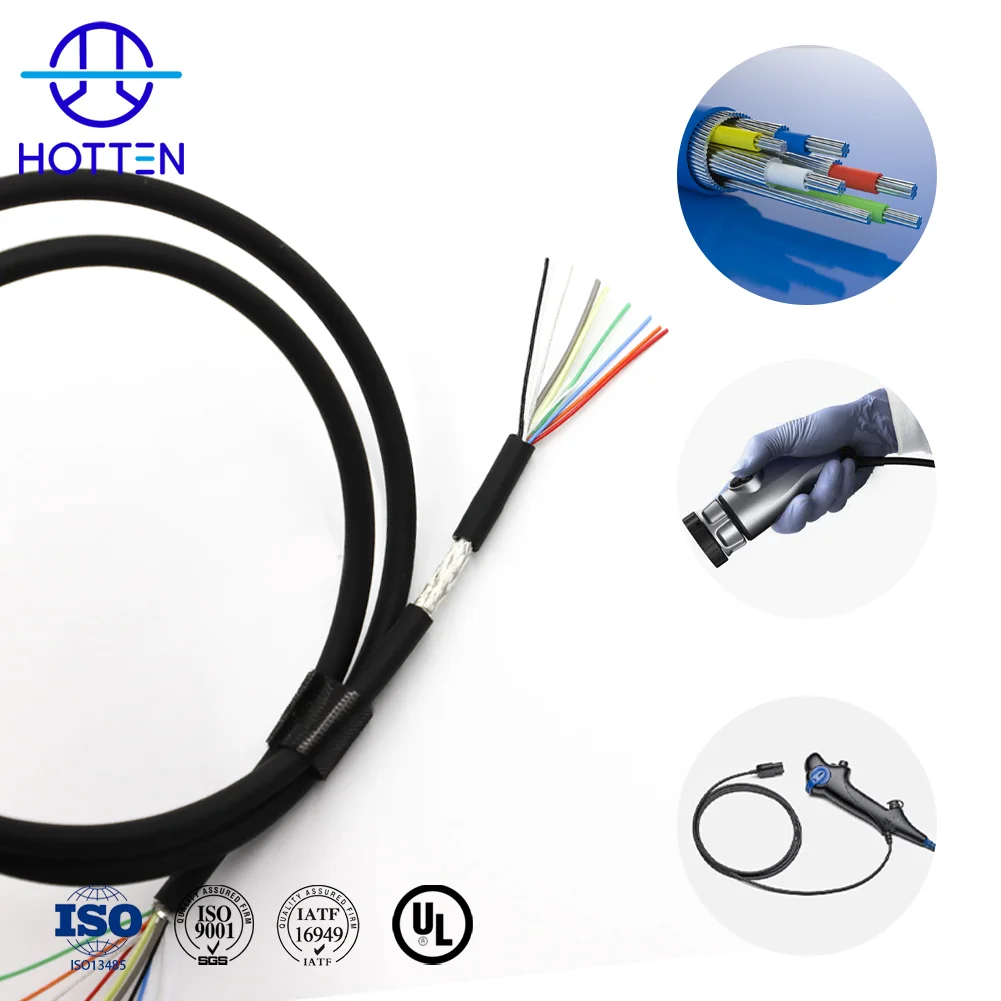
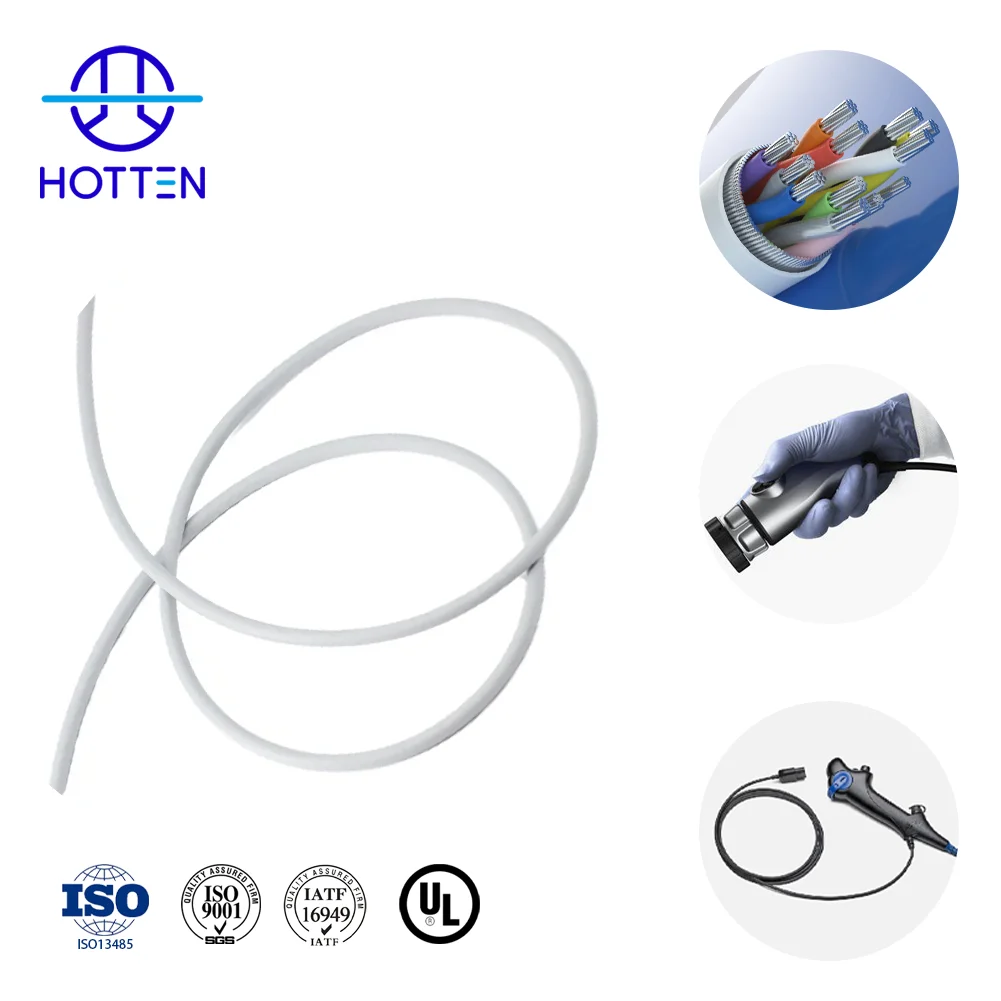
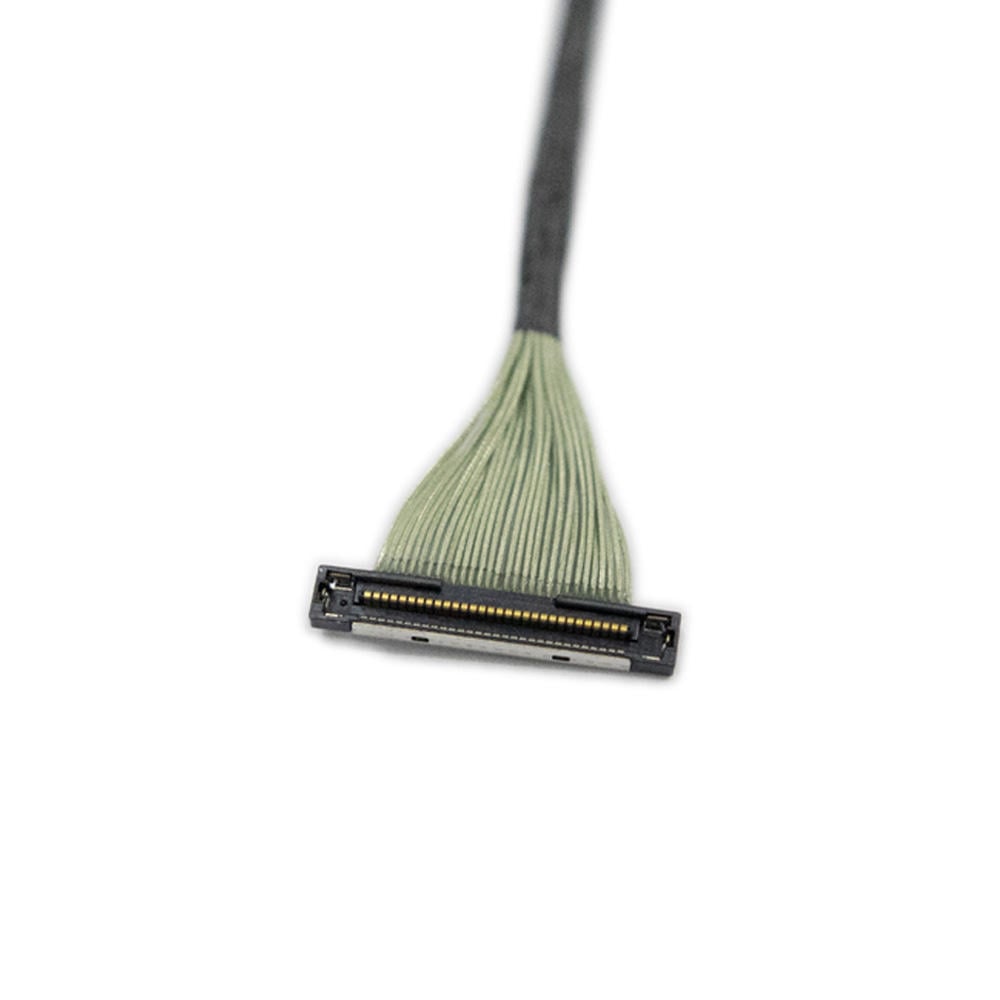
يشير معيار 50AWG إلى حجم موصل دقيق للغاية. يبلغ قطر موصل النحاس الواحد حوالي 0.03 مم فقط – أي أرفع بكثير من شعرة الإنسان. وعند دمجه مع عزل رفيع جدًا ودرع دقيق، فإن الكابل المتماسك الدقيق 50AWG النهائي يبلغ قطره الخارجي عادةً حوالي 0.15 مم فقط.
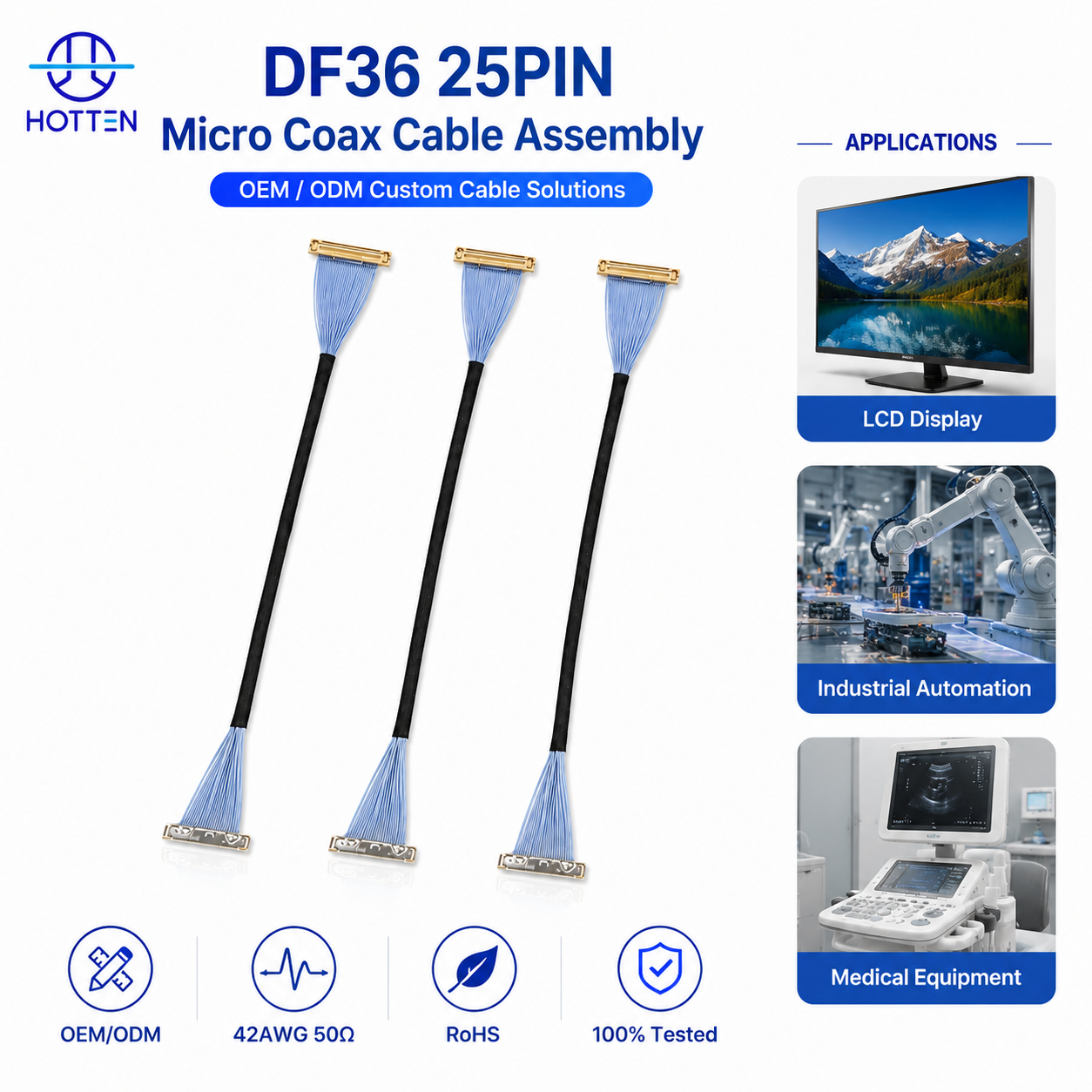
توجد عدة سيناريوهات تطبيق نموذجية تدفع الحاجة إلى كابل متماسك 50AWG:
1) المعدات الطبية
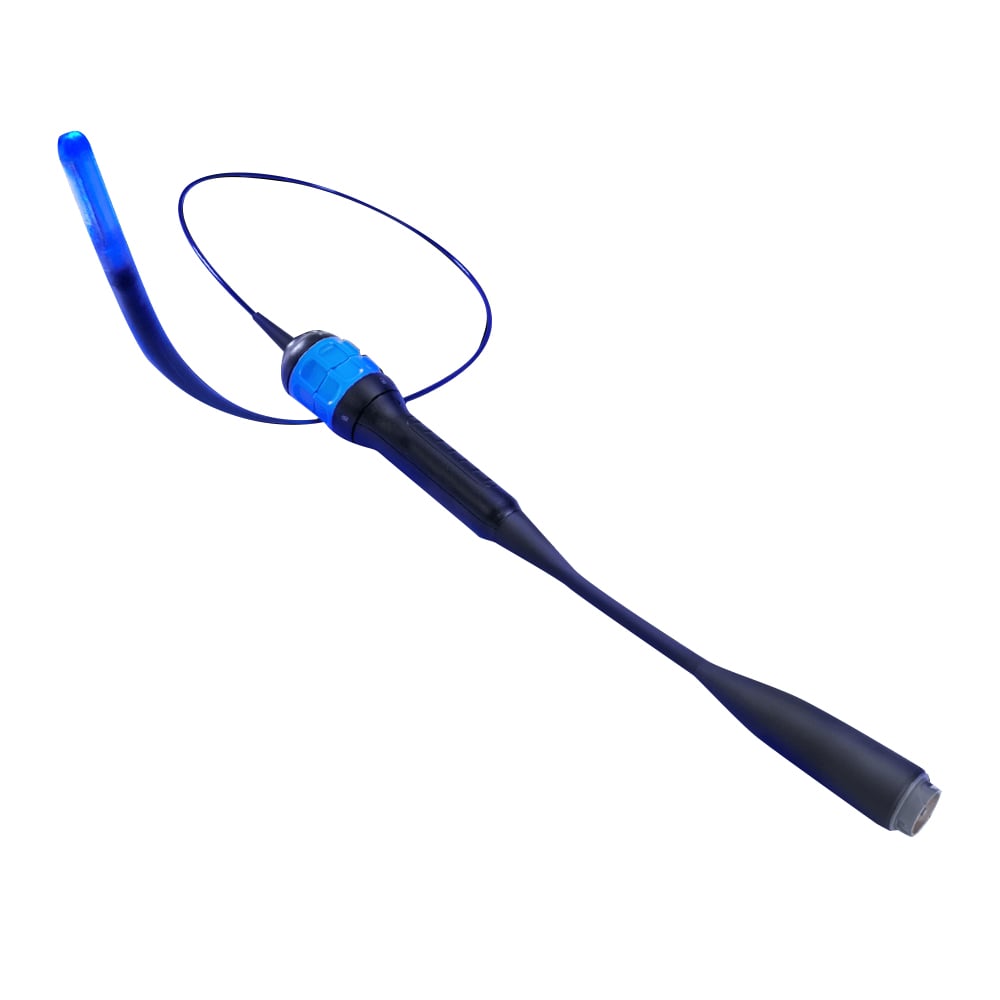
تتطلب المناظير، وأجهزة استشعار الموجات فوق الصوتية، والقثاطير التدخلية ذات الاستخدام الواحد قطرًا خارجيًا صغيرًا جدًا، ومرونة عالية، وقدرة ممتازة على التتبع داخل الجسم.
2) التصوير والاستشعار عالي الجودة
تتطلب وحدات الكاميرا بدقة 4K/8K، وكاميرات الجيمبال، وأنظمة الرؤية الآلية قنوات متعددة لإشارات تفاضلية عالية السرعة في مساحة محدودة جدًا.
3) الإلكترونيات الاستهلاكية المصغرة
تتمتع الشاشات القابلة للطي، وأجهزة الكمبيوتر المحمولة فائقة الرقة، وسماعات الواقع المعزز/الواقع الافتراضي (AR/VR) بمساحة داخلية مضغوطة للغاية وتعتمد على الكابلات المتماسكة الفائقة الدقة لنقل الروابط عالية التردد.
وباختصار، كلما اتجهت المنتجات أكثر نحو «الصغر، والخفة، والرقّة، وارتفاع الدقة»، زاد احتمال اعتمادها لكابل التوصيل المتماسك الدقيق عيار ٥٠ كابلات الكوaks .
| مواصفات الكابل | المزايا | القيود | التطبيقات النموذجية |
|---|---|---|---|
| كابل التوصيل المحوري الدقيق عيار 50 AWG | قطر فائق الصغر، ومرونة ممتازة، وأقصى درجة من توفير المساحة، ومناسب لنقل الإشارات بكثافة عالية | صعوبة تصنيع أعلى، وضوابط أدق للتَّسامح، ومتطلبات أقل في نسبة الناتج الصناعي | مناظير التنظير الطبية، ومجسات الموجات فوق الصوتية، ومحامل الطائرات المسيرة، ووحدات الكاميرات |
| كابل الميكرو المحوري عيار 48 AWG | توازن جيد بين تقليل الحجم والأداء الكهربائي واستقرار التصنيع | قطر أكبر قليلًا مقارنةً بكابل التوصيل المركب الدقيق عيار 50 | أجهزة الواقع المعزز والواقع الافتراضي، والروبوتات، وأنظمة التصوير عالي السرعة |
| كابل متحدب دقيق عيار ٤٦ AWG | قوة ميكانيكية أفضل وإنتاج جماعي أسهل مع الحفاظ على التصغير | يتطلب مساحة تركيب داخلية أكبر | الإلكترونيات الاستهلاكية، والكاميرات الصناعية، والأجهزة الدقيقة |
| كابل محوري قياسي | عملية إنتاج ناضجة وأداء مستقر | حجم أكبر وغير مناسب للتقليل الشديد للحجم | أنظمة الاتصالات الراديوية التقليدية ومعدات الاتصال |
2. التحدي 1: معالجة الموصلات فائقة الدقة والتحكم في الطلاء
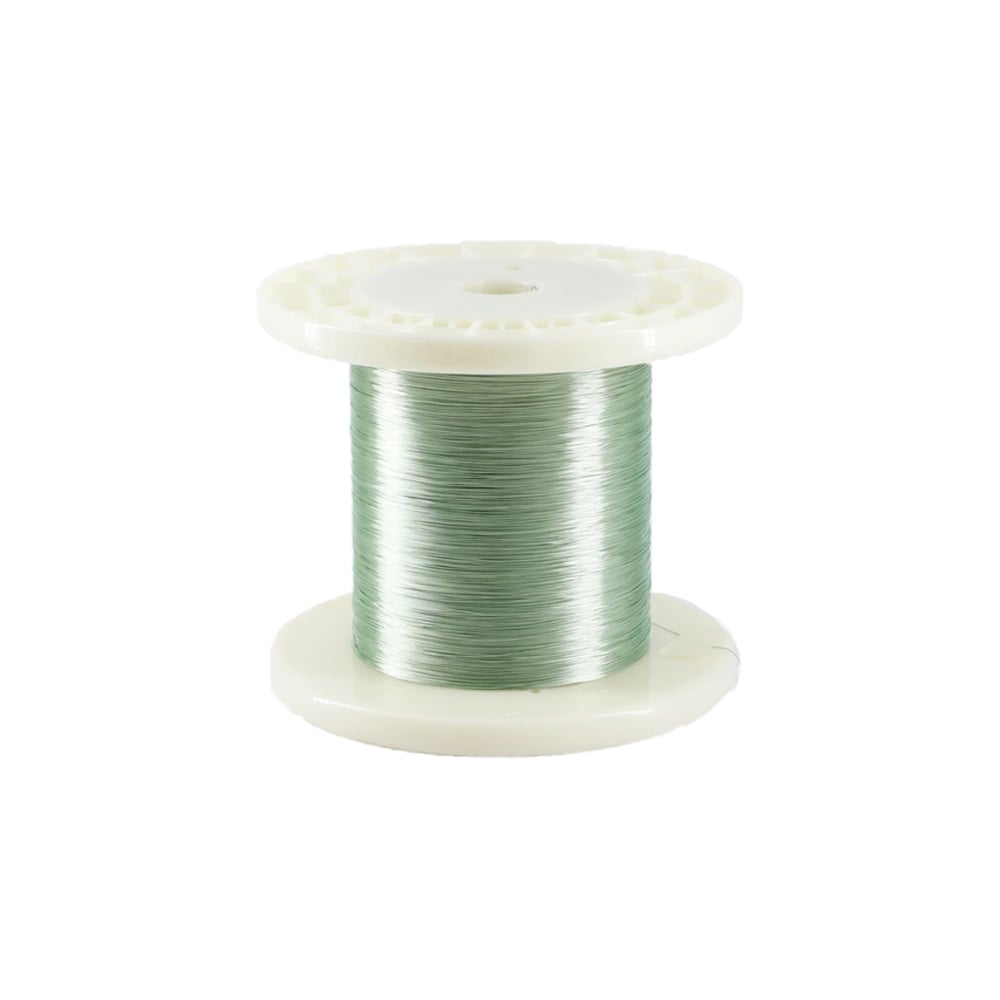
العائق الأول في تصنيع كابل توصيل تماثلي بمقاس 50AWG هو الموصل. والصعوبة لا تكمن فقط في "سحبه ليصبح رفيعًا"، بل أيضًا في:
1) تسامحات أبعاد دقيقة جدًا
عندما يكون قطر الموصل صغيرًا جدًا، فإن أي انحراف بسيط يمكن أن يتضخم ليؤدي إلى تغير في المعاوقة وانحراف في التوهين. ويجب التحكم بدقة عالية في عمليتي سحب السلك وعملية التلدين.
2) تحقيق التوازن بين القوة والمرونة
• إذا كان صلبًا جدًا: يصعب لفه وتجميعه، كما يصبح أكثر عرضة للانكسار عند الثني.
• إذا كان لينًا جدًا: يسهل تمدده وتشوهه، مما يؤثر على استقرار المعاوقة وجودة اللحام.
3) تجانس الطلاء
تستخدم التطبيقات عالية التردد غالبًا موصلات مطلية بالفضة لتقليل الفقد في التردد العالي. عند المقياس 50AWG، سيظهر عدم تجانس سماكة الطلاء مباشرةً على شكل معاملات كهربائية غير مستقرة وفقد في العائد.
نتيجة لذلك، تضع الكابلات المحورية بمقاس 50AWG متطلبات عالية جدًا على كل من مورد الموصلات وقدرات المعالجة الداخلية للموصلات.
3. التحدي 2: بثق العزل والتحكم في القطر الخارجي/التركيزية
يعتقد كثير من الناس أن المهمة قد انتهت بمجرد تصغير الكابل وتصغير طبقة العزل – ولكن بالنسبة للكابلات المحورية 50AWG، فإن طبقة العزل هي في الواقع العامل الأساسي المؤثر في المعاوقة والاستقرار.
1) التحكم في ثابت العزل
تُستخدم عادةً مواد عازلة فلوروبوليمرية عالية الأداء ومستقرة مثل PFA لدعم النقل عالي التردد.
2) سماكة العزل وتركيزية المركز
بالنسبة لهيكل 50 أوم، فإن العلاقة الهندسية بين الموصل والعازل تكون حساسة للغاية. إذا كانت المركزية خارجة عن المواصفات حتى بدرجة طفيفة، فقد يتعدى تغير المعاوقة على بكرة كاملة النافذة المصممة.
3) اتساق قطر العزل الخارجي (OD)
على سبيل المثال، عندما يكون قطر العزل الخارجي (OD) 0.08 مم، فإن التحمل غالبًا ما يُحتفظ به عند ±0.003 مم أو حتى أكثر دقة. وتحتاج خطوط البثق إلى مراقبة متواصلة لقطر العزل الخارجي (OD)، واختبار الشرارة، وفحوصات لعيوب السطح.
لهذا السبب يجد العديد من العملاء أنه بالرغم من أن مختلف الشركات المصنعة تدّعي جميعها استخدام "كابلات تماسية دقيقة 50AWG"، إلا أن اتساق المعاوقة وأداء التوهين يمكن أن يكونا مختلفين جدًا في الاختبارات الفعلية.
4. التحدي 3: التدريع الدقيق فائق الصغر وأداء مقاومة التداخل الكهرومغناطيسي (EMI)
عادةً ما تُستخدم كابلات التماس 50AWG مع أسلاك تدريع دقيقة جدًا يبلغ قطرها حوالي 0.018 مم لتكون غلافًا مغلفًا.
تشمل التحديات الرئيسية ما يلي:
1) كثافة التدريع وتغطيته
نظرًا لأن كلًا من النواة وسلك الدرع رفيعان جدًا، فإن ضعف التحكم في الشد سيؤدي بسهولة إلى عدم انتظام في اللف، وظهور فراغات، وتغطية غير مستقرة. وهذا يقلل مباشرة من أداء كابل الحماية من التداخل الكهرومغناطيسي (EMI).
تتطلب مسارات الإشارات عالية السرعة والعديد من التطبيقات الطبية فعالية عالية في التدريع، مما يدفع حدود العملية الإنتاجية.
2) المفاضلة بين التدريع والمرونة
• إذا تم لف الدرع بإحكام شديد، فإن مرونة الكابل تنخفض وتتأثر سلبًا عمره الافتراضي تحت إجهاد الانحناء.
• إذا كان الدرع مترهلًا جدًا، فإن الفعالية التدريعة تنخفض ويصبح الكابل أكثر عرضة للتداخلات الخارجية.
3) تخفيف الإجهاد وتصميم مناطق الانحناء
منذ مرحلة التصميم، يجب توفير هياكل مناسبة لتخفيف الإجهاد لتحسين الأداء الميكانيكي. وفي غياب تصميم جيد لتخفيف الإجهاد، يمكن أن يؤدي الانحناء المتكرر بالقرب من ذيل الموصل بسهولة إلى كسر الموصل عند وصلة اللحام أو بالقرب منها.
5. التحدي 4: التحقق ومراقبة الجودة – الإنتاج الضخم أصعب من النمذجة الأولية
إن نجاح صنع نموذج أولي لا يعني بالضرورة نجاح الإنتاج الجماعي.
تشمل التحديات الرئيسية لكابلات المحورية 50AWG في الإنتاج الجماعي ما يلي:
1) استراتيجية اختبار المعاوقة والتحوُّط
عادةً ما تتطلب التطبيقات عالية التردد تحكمًا دقيقًا في المعاوقة، والتحوُّط، وفقدان الانعكاس. واعتمادًا على التطبيق، يجب تطبيق فحص كامل أو خطط عينة قوية.
2) اختبارات موثوقية الانحناء/الالتواء/الشد
قد تتطلب التطبيقات الطبية وتطبيقات الجيمبال عشرات الآلاف أو حتى مئات الآلاف من دورات الثني في اختبارات الموثوقية.
3) اتساق المواد عبر الدفعات المختلفة
عند تغيير دفعات الموصلات أو راتنجات العزل أو دفعات أسلاك التدريع، يجب إعادة التحقق من المعايير الكهربائية والميكانيكية الأساسية لضمان الاتساق.
بعبارة أخرى، فإن الصعوبة الحقيقية في كابلات المحورية 50AWG تكمن في "إنتاج منتج عالي الجودة نفسه بشكل مستمر ومستقر بمرور الوقت"، وليس إنتاج بكرة جيدة بشكل عرضي.
6. كيفية اختيار مورد مناسب لكابلات المحورية 50AWG؟
من منظور هندسي وتشغيلي، عند اختيار شريك للكابلات المتمركزة الدقيقة بمقاس 50AWG، يمكنك التركيز على النقاط التالية:
1) هل لديهم خبرة مثبتة في التعامل مع مقاسات AWG فائقة الدقة (48–50AWG) في مشاريع حقيقية؟
2) هل يمكنهم توفير حل كامل لتجميع الكابلات بدلاً من بيع الكابلات المجمعة فقط؟
3) هل يمكنهم دعم التخصيص من حيث المعاوقة (50Ω / 75Ω)، والقطر الخارجي (OD)، وعدد النوى، وهيكل التدريع؟
4) هل لديهم القدرات اللازمة للاختبار: مثل تحليل الانعكاس الزمني (TDR)، والتحليل الشبكي المتجهي، واختبار عمر الثني، وغيرها؟
5) هل يفهمون المتطلبات المحددة وعادات الشهادات في المجالات الطبية، والطائرات المُسيرة (UAV)، ووحدات الكاميرا، والصناعات المماثلة؟
يجب اعتبار مقاس ٥٠ AWG خيارًا هندسيًّا للتطبيقات التي تبرر فيها الفائدة البُعدية الحساسية الإضافية في التصنيع. وقبل اختياره لبرنامج إنتاجي، يجب على المهندسين تحديد ما إذا كانت المتطلبات الفعلية للتطبيق تتطلب بالفعل هيكلًا أصغر، وما إذا كانت بنية الكابل الكاملة قادرة على الحفاظ باستمرار على الأداء الكهربائي والميكانيكي المطلوب.
إذا كانت المساحة المتاحة للتوجيه هي القيد الرئيسي → قارن مقاسات ٥٠ AWG و٤٨ AWG و٤٦ AWG بالنسبة للقطر الخارجي الفعلي للكابل والغلاف التوجيهي الفعلي → ثم حدِّد ما إذا كانت عملية التصغير الإضافي التي يوفِّرها مقاس ٥٠ AWG ضرورية فعلاً.
إذا كان بالإمكان تركيب الجهاز بالفعل داخل الهيكل الأكبر، فقد لا يوفّر استخدام موصل أدق فائدة كافية على مستوى النظام لتبرير الحساسية الإضافية في التصنيع.
للاطّلاع على منطق اختيار رقم المقياس الأمريكي للأسلاك (AWG) على نطاق أوسع، انظر كيف يؤثر مقياس السلك الأمريكي (AWG) على أداء الكابل المركب الدقيق؟ .
إذا كانت المتطلبات الخاصة بالتردد العالي في التطبيق صارمة جدًّا → فَعِّن أولًا متطلبات المقاومة الكهربائية والتخفيض والطول الكلي للكابل والتكرار والدرع والعازل → ثم اختر حجم الموصل الذي يحقّق المواصفات الكهربائية الكاملة.
لا ينبغي اختيار رقم المقياس الأمريكي للأسلاك (AWG) بشكل منفصل؛ إذ إن حجم الموصل يتداخل مع تركيب العازل والدرع وهندسة الكابل ونقاط الاتصال، وكلُّ هذه العوامل تؤثّر في المسار النهائي لنقل الإشارة.
للاطلاع على اعتبارات التصميم ذات التردد العالي المرتبطة، راجع لماذا تختار الموصلات المطلية بالفضة لكابلات نقل الإشارات عالية التردد؟ .
إذا حقَّقت هياكل الكابلَين الأداء المطلوب في التطبيق → قارن التسامح البُعدي، وحساسية العملية، واستقرار الإنتاج، وهامش التصنيع المتوقع → ثم اختر الهيكل الذي يوفِّر متانة كافية في عملية الإنتاج.
بالنسبة لكابل عيار ٥٠ أوتو واير غيج (٥٠AWG)، فإن أصغر التغيُّرات في قطر الموصل، أو سماكة العزل، أو التركيز المركزي، أو هندسة الدرع قد تؤثِّر في الخصائص النهائية للكابل. ولذلك، يجب أن يأخذ القرار الهندسي بعين الاعتبار ليس فقط إمكانية إنتاج هيكل معين، بل أيضًا إمكانية إعادة إنتاجه باستمرار وباتساق.
للاطلاع على اعتبارات متعلقة بالتحكم في إنتاج الكابلات الطبية متعددة النوى، انظر ما هي المعايير التي يُحتمل أن تفقد السيطرة عليها بشكل أكبر أثناء الإنتاج الضخم لكابلات طبية متعددة النوى فائقة الدقة؟ .
إذا تطلَّب الكابل حماية من التداخل الكهرومغناطيسي (EMI) → فقِّم تغطية الدرع وهيكله جنبًا إلى جنب مع مرونة الكابل، وقطره الخارجي (OD)، وأدائه عند الانحناء → ثم وجِّه التحقق من الكابل الكامل في ظل الظروف الميكانيكية المتوقعة.
قد يوفر هيكل التغليف الأكثر كثافة أو الأوثق حماية كهربائية إضافية، لكنه قد يزيد أيضًا من صلابة الكابل أو يؤثر على أبعاده. ولذلك، يجب أن يتناسب تصميم التغليف مع المتطلبات الكهربائية والميكانيكية الفعلية للتطبيق.
لرؤية مثال عملي على تحسين المرونة، راجع كيف قمنا بتحسين كابل الميكرو المحوري 46AWG لتحقيق مرونة فائقة .
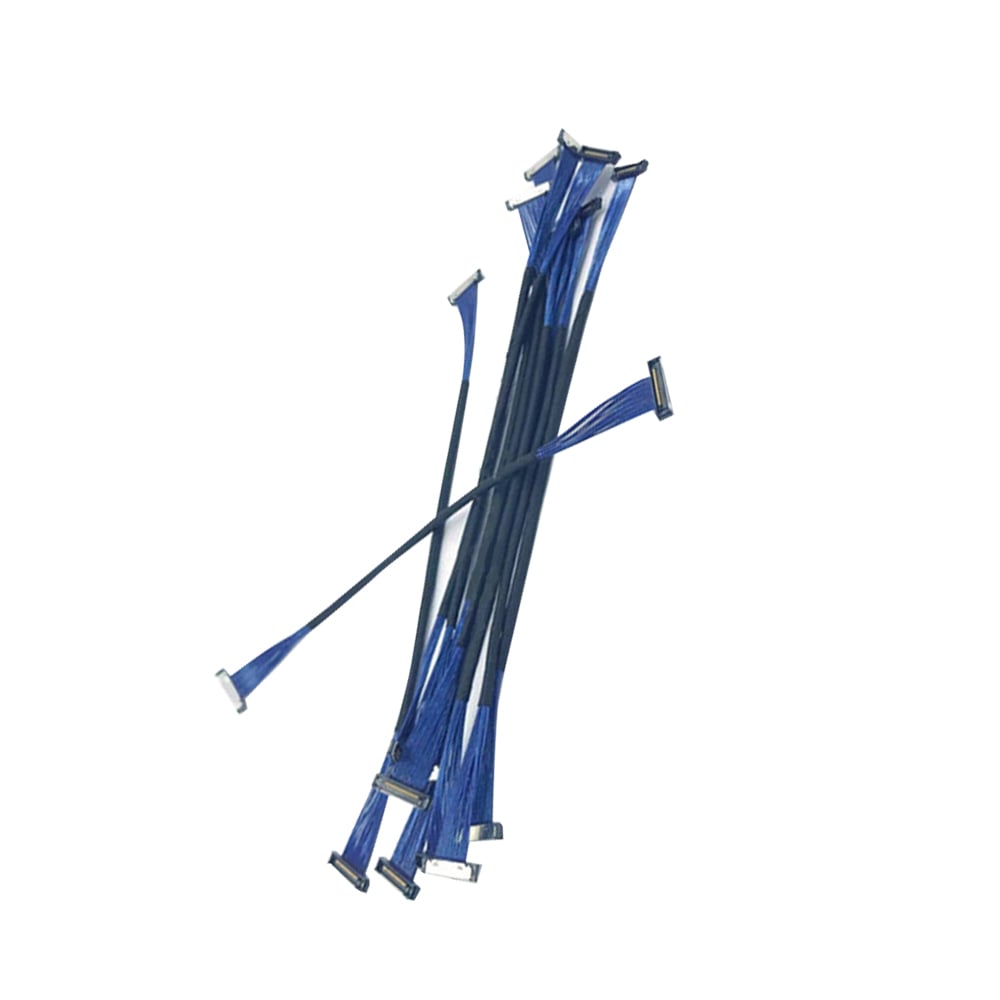
إذا كان لا بد من توصيل كابل عيار ٥٠ AWG بمقبس صغير الحجم أو واجهة لوحة دوائر مطبوعة → فحدد مسافة تباعد أطراف المقبس، وتوزيع الدبابيس، وأسلوب التوصيل، ومتطلبات تقشير العزل، ووسائل تخفيف الإجهاد قبل الانتهاء من تصميم هيكل الكابل → ثم قم بالتحقق من صحة كلٍّ من الكابل والطرف الموصَّل باعتبارهما تجميعة واحدة.
قد يكون الكابل قابلاً للتصنيع تقنيًّا بكميات كبيرة، ومع ذلك يظل من الصعب توصيله بشكل موثوق به عند الإنتاج بكميات كبيرة. وهذه النقطة ذات أهمية خاصة في التطبيقات التي تتطلب موصلات دقيقة جدًّا وواجهات عالية الكثافة.
للمواصفات المخصصة للوصلات عالية الكثافة، راجع شركة HOTTEN وحدة كابل ميكرو-Coaxial .
تتحدد قيمة عيار ٥٠ AWG وفقًا للمنتج النهائي.
إذا كان التطبيق جهاز تصوير طبي صغير الحجم → فَضِّل قطر الكابل الخارجي، وكثافة القنوات، والمرونة، والتحصين، والاتساق الكهربائي → ثم حدد ما إذا كان مقاس 50AWG يوفِّر ميزة أبعادية ذات معنى.
انظر إلى شركة هوتين المعدات الطبية تجارية المستوى كابل طبي فائق النعومة .
إذا كان التطبيق جهاز تثبيت كاميرا طائرات درون أو كاميرا صغيرة الحجم → فَضِّل الوزن، ومساحة التوجيه، وعمر المرونة، والتحصين، ونقل الإشارات عالية السرعة → ثم قارن مقاس 50AWG مع خيارات تقليل الحجم الأقل تشدُّدًا.
انظر حزمة أسلاك كاميرا جيمبال وشركة HOTTEN طائرات مسيرة وروبوتات حلول.
إذا كان التطبيق جهاز ذكاء اصطناعي صغير الحجم أو جهاز رؤية أو روبوتيات → فَضِّل كثافة التوجيه، وسلامة الإشارات عالية السرعة، وتكامل الموصلات، والموثوقية الميكانيكية → ثم حدد ما إذا كانت البنية بمقاس 50AWG توفِّر فائدة كافية على مستوى النظام لتبرير متطلبات التصنيع الخاصة بها.
انظر الذكاء الاصطناعي والإلكترونيات الذكية و حزمة أسلاك الروبوتات .
قبل إدخال كابل ميكرو-كوаксيلي بمقاس 50AWG في برنامج إنتاج، ينبغي لفريق هندسة الشركة المصنِّعة الأصلية أن يتأكد من:
| المتطلبات | المُعطيات الواجب التأكيد عليها |
|---|---|
| الميزة البعدية | أقصى قطر خارجي، ومساحة التوجيه، والتسامح المتاح |
| موصل | مواصفات السلك، المادة، القطر، المقاومة / المرونة |
| كهربائي | المقاومة الكهربائية، التوهين، التردد، السعة الكهربائية |
| الديليكتريك | المادة، السماكة، الاتساق |
| الحماية من الإشارات الخارجية | قطر السلك، التغطية، الشد، البنية |
| ميكانيكي | نصف قطر الانحناء، وعدد دورات الانثناء، والالتواء |
| الواجهة | رقم قطعة الموصل، والمسافة بين الأطراف، وتوزيع التوصيلات، ونوع الاتصال النهائي |
| التصنيع | القدرة الإنتاجية، الاتساق الأبعادي |
| التحقق | الفحوصات الكهربائية والأبعادية والميكانيكية |
| الإنتاج | معايير التصنيع من النموذج الأولي إلى الإنتاج التجريبي ثم الإنتاج الضخم |
| المواد | اتساق الدُفعة وقدرتها على التتبع |
يمكن تلخيص القرار على النحو التالي:
قيود التوجيه → متطلبات الإشارة → القطر الخارجي المطلوب للكابل → مقارنة خيارات AWG → تقييم هامش التصنيع → التأكيد على الموصل / إنهاء التوصيل → النموذج الأولي → التحقق التجريبي → الإنتاج
إذا كان من الممكن أن تلبي أسلاك 48AWG أو 46AWG متطلبات التوجيه والإشارات المطلوبة → قارن هامش الإنتاج الخاص بكلٍّ منهما قبل اختيار سلك 50AWG.
إذا كان سلك 50AWG وحده هو الذي يفي بالقيود البُعدية المطلوبة → فَقَمْ بتحسين الموصل والعازل والدرع ونقاط الاتصال معًا → ثم تأكَّد من تكرارية الأداء قبل البدء بالإنتاج الضخم.
إذا حقَّق سلك 50AWG المتطلبات البُعدية لكنه أدَّى إلى حساسية ميكانيكية أو إنتاجية غير مقبولة → أعد النظر في هيكل الكابل ككل بدلًا من التركيز فقط على تحسين مقاس السلك (AWG).
وبالتالي فإن الهدف العملي ليس:
«استخدام أرفع موصلٍ ممكن.»
إنه:
«استخدام أصغر تركيب كابلي يوفِّر فائدة ذات معنى على مستوى النظام، مع الحفاظ في الوقت نفسه على الاستقرار الكهربائي والموثوقية الميكانيكية والقابلية التصنيعية الثابتة.»
لمزيد من المعلومات حول تطوير الكابلات فائقة الدقة المخصصة، راجع شركة HOTTEN. كابل شعاعي مصغّر و وحدة كابل ميكرو-Coaxial .
أ: يُعَدُّ إنتاج كابلات الميكرو متحد المحور بمقاس ٥٠ أوغ تحديًا كبيرًا، لأن المهندسين يجب أن يتحكموا في أبعاد الموصلات الصغيرة جدًّا، واتساق العزل، وأداء التغليف الواقي، واستقرار الممانعة، وموثوقية الإنتاج الضخم في الوقت نفسه.
أ: لا. إن تقليل قطر الكابل ليس سوى الخطوة الأولى فقط. أما التحدي الحقيقي فهو الحفاظ على سلامة الإشارة، والموثوقية الميكانيكية، والأداء الكهربائي المتسق مع تحقيق أصغر أبعاد ممكنة.
أ: عند الأحجام الصغيرة جدًّا، يمكن أن تؤثر أي تباينات طفيفة في قطر الموصل أو سماكة العزل أو تركيب التغليف الواقي على الممانعة، والتخفيض، واستقرار الإشارات ذات التردد العالي.
أ: تساعد المقاومة المستقرة في منع انعكاس الإشارة وفقدان الإدخال والأخطاء في النقل، لا سيما في التطبيقات ذات التردد العالي مثل التصوير الطبي والكاميرات وأنظمة الترددات الراديوية.
أ: تُستخدم كابلات التآلف الدقيقة بحجم ٥٠ أوغ عادةً في وحدات الكاميرات عالية الدقة ومناظير الجهاز الطبي وأجهزة الموجات فوق الصوتية ومحامل الطائرات المسيرة غير المأهولة (UAV) وأجهزة الواقع المعزز/الواقع الافتراضي (AR/VR) وغيرها من الأنظمة الإلكترونية المحدودة المساحة. ([turn0search0])
أ: ينبغي على عملاء مصنّعي المعدات الأصلية تقييم خبرة التصنيع في إنتاج الكابلات فائقة الدقة وقدرة اختبار المقاومة وضبط التغليف الواقي والقدرة على التجميع وثبات الجودة والخبرة في تطبيقات مماثلة.
الخلاصة: لماذا يُعد الكابل بمقاس 50AWG "أكثر دقة، وأكثر حساسية، وأكثر هشاشة"
لذلك، من سحب الموصلات، وعزل البثق، ولف التدريع الدقيق جدًا إلى إنهاء الحزمة والتحقق من الأداء الكهربائي، فإن كل خطوة تصنيعية لكابل متحد المحور صغير جدًا بمقاس 50AWG تكون أكثر 'حساسية وهشاشة وضعفًا' بكثير مقارنة بالهياكل الكابلية التقليدية. حتى أدنى تقلب في العملية قد يتضخم ليُحدث انحرافًا في المعاوقة أو توهينًا غير طبيعي.
لقد أنشأت شركة Hotten Cable بالفعل قدرة ناضجة على تطوير كابلات متحدة المحور صغيرة جدًا بمقاس 50AWG. وقد أصبح إنتاج العينات مستقرًا الآن، ونحن نواصل تحسين ضبط العمليات وتحسين المعاملات لتلبية متطلبات التصنيع الواسع النطاق في المستقبل، ومساعدة العملاء على نشر كابلات 50AWG متحدة المحور بثقة في تطبيقات متطورة مثل الأجهزة الطبية وأنظمة التصوير في الطائرات المُسيرة (UAV) ووحدات الكاميرا.
 أخبار عاجلة
2026-09-17
2026-09-04
2025-12-17
2025-12-11
2025-12-05