 EN
EN
HURTIGLENKER

Moderne kamera- og bildebehandlingsystemer må ofte overføre hurtige signaler gjennom svært begrensede fysiske rom. Når kamerastørrelsen reduseres og systemene integrerer flere kanaler, må kabelløsningen følge strengere rutekrav uten å kompromittere den nødvendige elektriske og mekaniske ytelsen.
Det er her mikrokoaksialkabelsett kan gi en viktig tilkoblingsløsning.
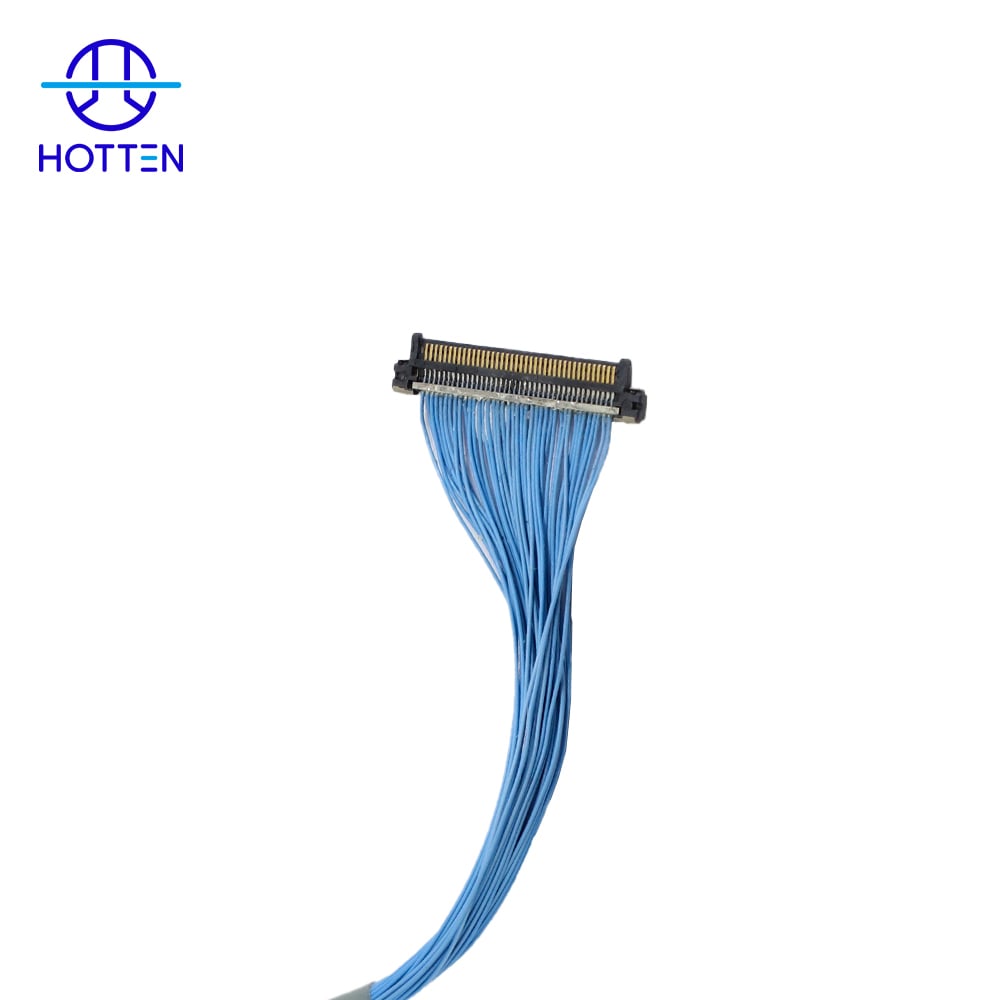
En mikrokoaksial kabelløsning kombinerer miniatyriske koaksialkabler med kontakter og avslutninger som er utformet for et spesifikt bruksområde. I forhold til større, konvensjonelle kabelløsninger kan mikrokoaksiale løsninger hjelpe OEM-ingeniører med å håndtere rombegrensninger, høy kanaltetthet, krav til signalkvalitet og kompleks intern routering.
Slike krav finnes i medisinsk bildebehandlingsutstyr, kompakte kameraer, UAV- og gimbalsystemer, robotteknikk, AI-hardware og andre elektroniske enheter med høy tetthet.
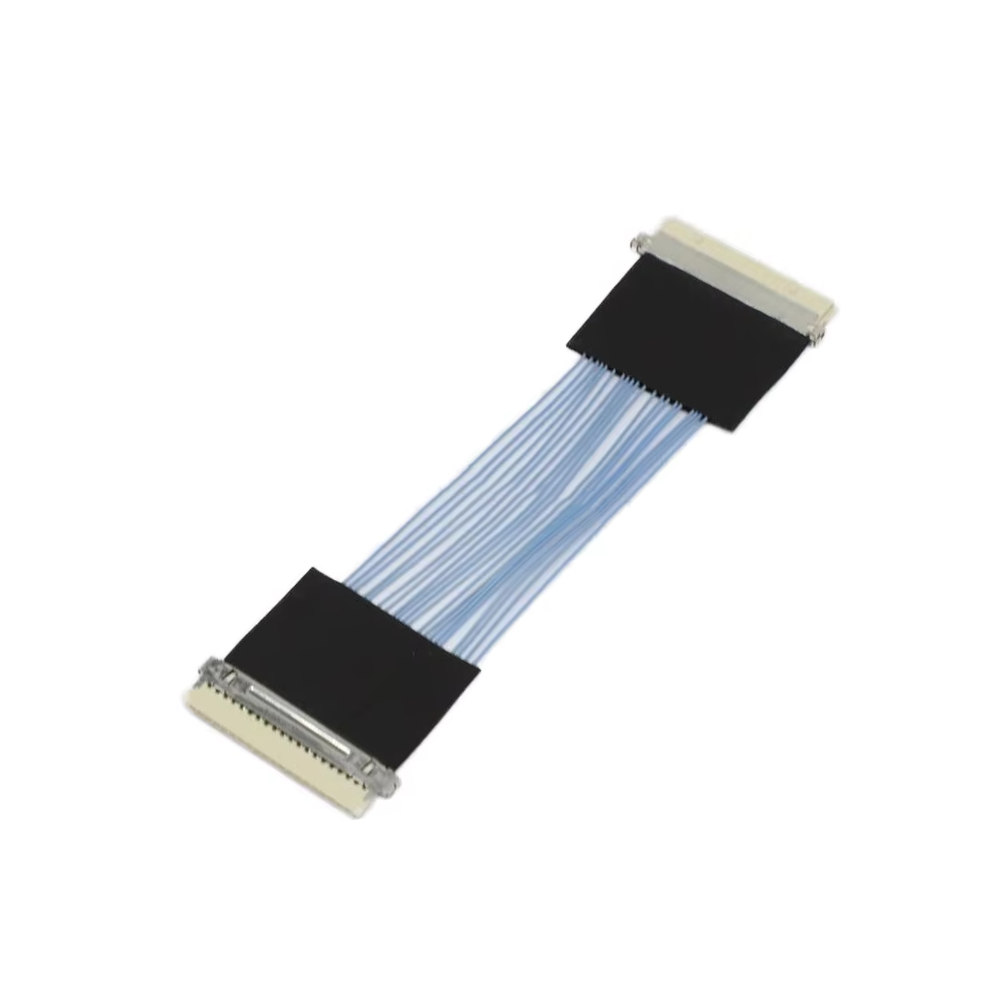
En mikrokoaksial kabelmontering er en ferdig interkobling som består av én eller flere koaksialkabler med liten diameter, avsluttet med spesifiserte kontakter eller grensesnitt.
En typisk montering kan inneholde:
Mikrokoaksialkabel + kontakt + avslutning + strekkbeskyttelse
Kabelen selv gir den elektriske overføringsbanen, mens kontakten og avslutningen gir grensesnittet mellom kabelen og det elektroniske systemet.
For OEM-applikasjoner er ofte hele monteringen viktigere enn kabelen alene, fordi tilgjengelig plass, kontaktkonfigurasjon, pinout, kabellengde og rutekrav må alle fungere sammen.
Hovedårsaken er høy interkoblingstetthet innen en begrenset plass .
En kamera- eller bildeopptaksmodule kan trenge plass til flere høyhastighets-signalkanaler samtidig som det må være plass til sensorer, linser, prosesseringselektronikk og mekaniske strukturer.
En mikrokoaksial montering kan hjelpe med å oppfylle flere ingeniørmessige krav:
Liten kabeldiameter
Høy kanaltetthet
Kontrollerte elektriske egenskaper
Fleksibel intern ruting
Kompakte koblingsgrensesnitt
Skjerming mellom signalbaner
Tilpassede kabellengder og -konfigurasjoner
De nøyaktige fordelene avhenger av kabelkonstruksjonen og systemkravene.
Plass er ofte en av de første begrensningene ingeniører støter på når de designer kompakt elektronisk utstyr.
Tradisjonelle større kabler kan oppta for mye plass når flere signalkanaler må føres gjennom samme område.
Mikrokoaksialkabler gir en mindre enkelt signalbane, slik at flere kabler kan arrangeres innenfor en kompakt montering.
Dette kan være spesielt nyttig for:
Kamera moduler
Medisinske avbildningssystemer
Endoskopisk bildeutstyr
UAV-kameraer
Gimbal-systemer
Robotikk-synssystemer
Kompakt AI-hardware
Målet er ikke bare å gjøre kablen mindre.
Kablen må fortsatt oppfylle de elektriske, mekaniske og produksjonsmessige kravene til det endelige systemet.
Når avbildningssystemer øker oppløsningen og behandlingskapasiteten sin, kan tilkoblingen måtte håndtere flere signalkanaler.
En montering med høy tetthet kan derfor innebære mange enkelte mikrokoaksialkabler eller en multikoaks-konfigurasjon som er avsluttet i en kompakt kontakt.
Designet må ta hensyn til:
| Konstruksjonsfaktor | Hvorfor det er viktig |
|---|---|
| Kabeldiameter | Avgjør tilgjengelig plass for ruting |
| Antall kanaler | Påvirker den totale monteringstettheten |
| Koblingsstørrelse | Begrenser plassen til grensesnittet |
| Kabelengde | Påvirker ruting og elektriske egenskaper |
| Pinneordning | Bestemmer signaltildeling |
| Skjerming | Bidrar til å håndtere elektromagnetisk kobling |
| Bøyingsradius | Påvirker mekanisk ruting |
| Kraftavlastning | Bidrar til å beskytte avslutningsområdet |
For OEM-prosjekter bør disse faktorene vurderes samtidig, i stedet for å velge en kabel først og deretter designe kontaktsystemet.
Kamera-systemer kan bruke hurtige digitale grensesnitt for å overføre bilddata mellom sensorer, prosesseringskort og andre elektroniske moduler.
Ved høyere signalhastigheter blir tilkoblingen en stadig viktigere del av signalbanen.
Mikrokoaksialkabelkonstruksjon kan utformes med tanke på elektriske krav som:
Karakteristisk impedans
Innsettings tap
Retur tap
Kapasitans
Skjerming
Elektrisk lengde
Kryssforstyrrelser
De nødvendige verdiene avhenger av grensesnittet og systemdesignet.
Av denne grunnen bør OEM-ingeniører unngå å velge en mikrokoaksialkabel utelukkende basert på dens ytre diameter eller lederstørrelse.
En mindre kabel er ikke automatisk en bedre høyhastighetskabel.
Den elektriske strukturen må være kompatibel med de forventede kravene til signalt overføring.
Flere høyhastighetssignalkanaler som føres nær hverandre kan skape bekymringer knyttet til elektromagnetisk kobling.
Koaksial konstruksjon gir en skjermet transmisjonsstruktur rundt signallederen.
Avhengig av anvendelsen kan ulike skjermingskonstruksjoner vurderes, inkludert:
Folie-skjerming
Vevet skjerming
Kombinert folie og flett
Andre applikasjonsspesifikke konstruksjoner
Skjermingsdesign skal velges ut fra frekvensområdet, mekaniske krav og nødvendig elektromagnetisk ytelse.
Det er også viktig å ta hensyn til overgangen til kontakten.
En godt designet kabel kan fortsatt oppleve ytelsesproblemer hvis overgangen fra kabel til kontakt innfører en elektrisk diskontinuitet.
Ikke alle kamerakabler opererer i en fast posisjon.
UAV-kameraer, gimbaler og robotiske visjonssystemer kan oppleve gjentatt bevegelse under normal drift.
I disse applikasjonene må ingeniører kanskje vurdere:
Minimum bøyeradius
Gjentatt bøyning
Å vrike
Kabelrouting
Kraftavlastning
Jakkesmaterial
Kontaktfesthet
En kabel som er utformet for fast, intern ruting bør ikke automatisk brukes i en applikasjon med kontinuerlig bevegelse.
Den nødvendige mekaniske konstruksjonen bør baseres på den faktiske bevegelsesprofilen til utstyret.
For en gimbal- eller robotapplikasjon bør leverandøren forstå hvordan kabelen beveger seg, i stedet for bare å motta en nominell kabellengde.
Medisinske avbildningssystemer kan kombinere høy kanaltetthet, kompakte mekaniske strukturer og følsomme elektroniske signaler.
Anvendelser kan inkludere:
Ultralydssystemer
Endoskopisk bildebehandling
Kirurgisk avbildningsutstyr
Intravaskulære avbildningssystemer
Kompakte diagnostiske enheter
For disse applikasjonene kan kabelfordringene omfatte en kombinasjon av:
Liten ytre diameter + Høy kanaltetthet + Signalintegritet + Fleksibilitet + Mekanisk pålitelighet
Kravene er imidlertid ulike fra de som gjelder for en UAV eller en kameragimbal.
For eksempel kan en gjenbrukbar medisinsk enhet ha krav til rengjøring eller sterilisering, mens en kompakt kameramodul hovedsakelig krever plassbesparende ruting og hurtig signaloverføring.
Kabelkonstruksjonen bør derfor velges ut fra den faktiske anvendelsen, i stedet for å behandle alle avbildningssystemer som om de hadde samme krav.
En av de vanligste feilene i design av kabelforbindelser er å fokusere sterkt på kabelen, mens kontaktoren behandles som en ettertanke.
For applikasjoner med høy tetthet kan valg av kontaktor påvirke:
Tilgjengelig installasjonsareal
Antall signalkanaler
Pindeling
Oppsigelsesmetode
Mekanisk festing
Kabelrouting
Monteringspålitelighet
For et OEM-prosjekt inkluderer nyttig informasjon om kontaktorer:
Konnektorprodusent
Konnekтор-delenummer
Kopleksempel
Antall pinner
Pinneordning
Kontaktkonfigurasjon
Ønsket termineringsmetode
Å oppgi nøyaktig kontaktordelnummer under anbudsprosessen kan gjøre teknisk vurdering mye mer effektiv.
En standardkabel kan ikke oppfylle de mekaniske og elektriske kravene til et kompakt avbildningssystem.
Produsenter av originale utstyr (OEM-er) kan kreve tilpasning av:
Kabelstørrelse
Ledningsstørrelse
Kabelengde
Antall koaksialkanaler
Koblingskonfigurasjon
Pinneordning
Skjerming
Jakkesmaterial
Bøyekrav
Kraftavlastning
For eksempel kan en kameraprodusent ha en definert PCB-kontakt, begrenset plass for kabelføring og en fast kabellengde.
I denne situasjonen er den nødvendige løsningen ikke bare en mindre koaksialkabel.
Det er en tilpasset mikrokoaksialkabelmontering utformet for hele grensesnittet.
Å gi detaljert informasjon i anbudsfasen kan redusere unødvendige ingeniøriterasjoner.
En praktisk anbudsforespørsel kan inkludere:
| Informasjon | Eksempelkrav |
|---|---|
| Søknad | Kamera, medisinsk bildebehandling, UAV, robotikk |
| Kabeltype | Mikrokoaksial |
| Antall kanaler | Påkrevd antall kanaler |
| Kabelengde | Ferdig montert lengde |
| Ledningsstørrelse | Påkrevd AWG hvis spesifisert |
| Impedans | Mål på karakteristisk impedans |
| Kobling | Produsent og delnummer |
| Pinneordning | Signaltilordning |
| Skjerming | Påkrevd arbeidsmetode |
| Bøyekrav | Minimumradius eller bevegelsesprofil |
| JAKKE | Påkrevde material- eller miljøkrav |
| Elektrisk ytelse | Gyldige tap- eller signalkrav |
| Antall | Prototype og forventet produksjonsvolum |
| Testing | Ønskede elektriske og mekaniske tester |
Hvis tegninger eller prøver er tilgjengelige, kan de også hjelpe kabelfabrikanten med å forstå de fysiske begrensningene i applikasjonen.
Selv om mikrokoaksialteknologi brukes i flere industrier, kan designprioriteringene variere.
| Søknad | Typiske kabeldesignprioriteringer |
|---|---|
| Medisinsk bildebehandling | Høy tetthet, fleksibilitet, signalintegritet, mekanisk pålitelighet |
| Kamera moduler | Kompakt størrelse, hurtig signalt overføring, tilkoblingspunktetetthet |
| UAV / gimbalsystem | Lett konstruksjon, fleksibilitet, gjentatt bevegelse |
| Robotikkvisjon | Fleksibilitet, ruting, signalintegritet, mekanisk holdbarhet |
| AI-hardware | Høyt tetthetsinterkoblinger, høyhastighetssignaler, kompakt ruting |
| RF-systemer | Impedanskontroll, skjerming, innkoplingsforsterkningstap og tilkoblingsytelse |
Dette er grunnen til at en erfaren leverandør bør vurdere anvendelsen i stedet for å anbefale samme mikrokoaksialkonstruksjon for hvert prosjekt.
OEM-kjøpere bør vurdere mer enn leverandørens produktkatalog.
Brukbare spørsmål inkluderer:
Kan leverandøren produsere den nødvendige mikrokoaksialkonstruksjonen?
Kan leverandøren jobbe med den angitte koblingsdelen?
Kan leverandøren levere tilpassede kabellengder og kanalkonfigurasjoner?
Kan ingeniørteamet gjennomgå tegninger eller prøver?
Hvordan kontrolleres karakteristisk impedans?
Hvilke elektriske og mekaniske tester er tilgjengelige?
Kan leverandøren støtte prototypeutvikling?
Kan samme leverandør støtte serieproduksjon?
Hvordan håndteres ingeniørforandringer?
Kan leverandøren opprettholde konsekvent produksjon mellom ulike serier?
For et tilpasset kabbelprosjekt kan ingeniørkommunikasjon være spesielt viktig, fordi kabelen, koblingsdelen og den mekaniske rutingen ofte må vurderes sammen.
Et pålitelig kabbelmonteringsprosjekt utvikles vanligvis gjennom flere faser:
Spesifikasjon → Prototype → Validering → Pilotproduksjon → Serieproduksjon
Under utviklingen av prototypen kan OEM-aktøren identifisere endringer i:
Kabelengde
Valg av koblinger
Pinneordning
Ruting
Skjerming
Kraftavlastning
Mekaniske dimensjoner
En leverandør som kan støtte disse endringene, kan gjøre overgangen til produksjon enklere.
Målet er ikke bare å produsere en fungerende prototype, men å etablere en gjentakbar konstruksjon som kan produseres konsekvent i den nødvendige produksjonsvolumet.
HOTTEN samarbeider med OEM-kunder om tilpassede mikrokoaksialkabel- og kabbelmonteringsprosjekter for applikasjoner der kompakte dimensjoner, høy kanaltetthet, signaloverføring og mekaniske krav må vurderes sammen.
Avhengig av prosjektet kan kabellosningen utvikles rundt:
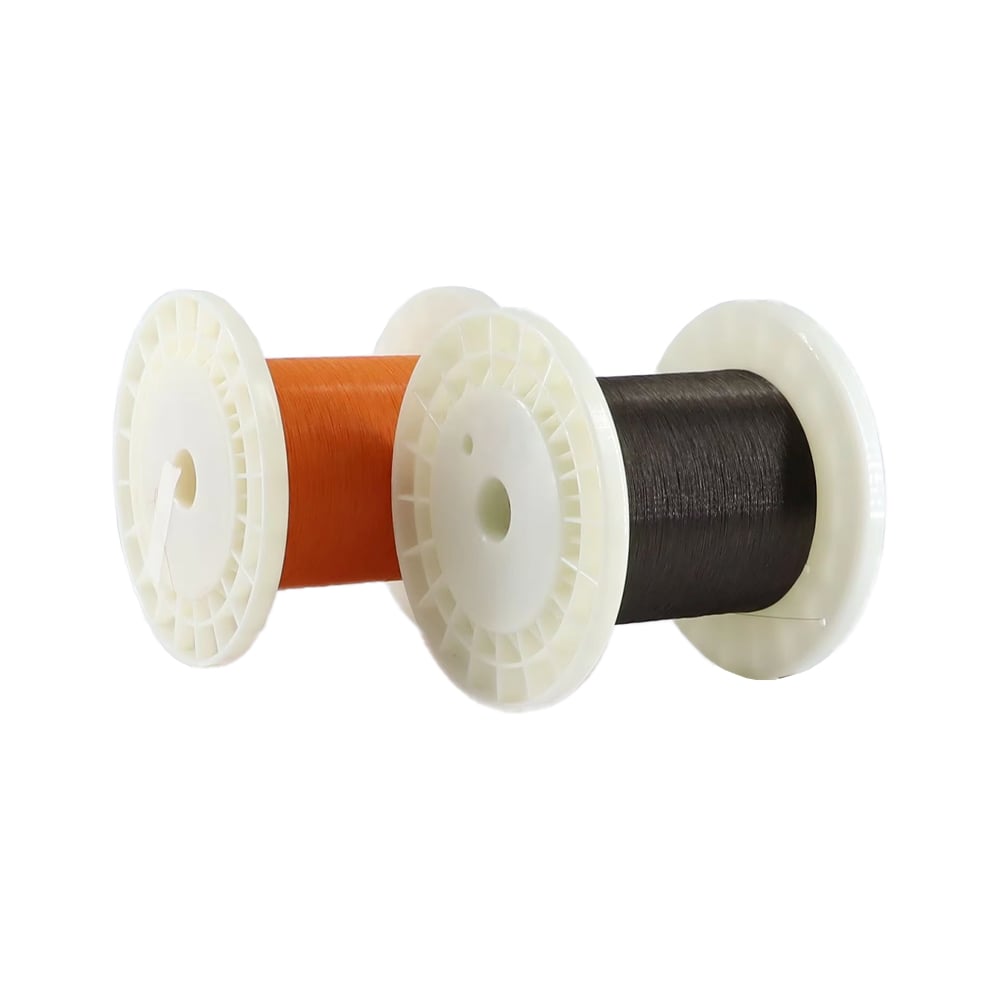
Mikro koaksial kabel
Ekstra-fine elektroniske kabler
Kabelforbindelser med flere kanaler
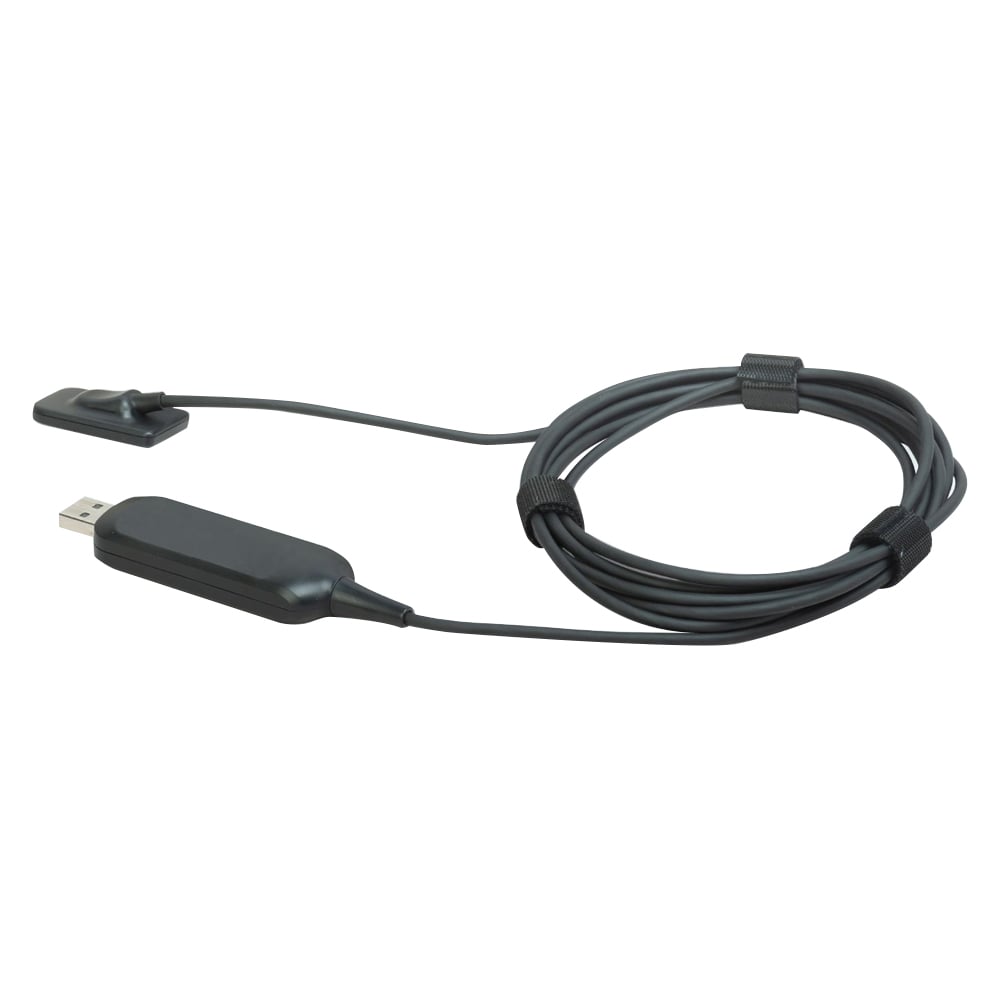
Kamerakabelsett
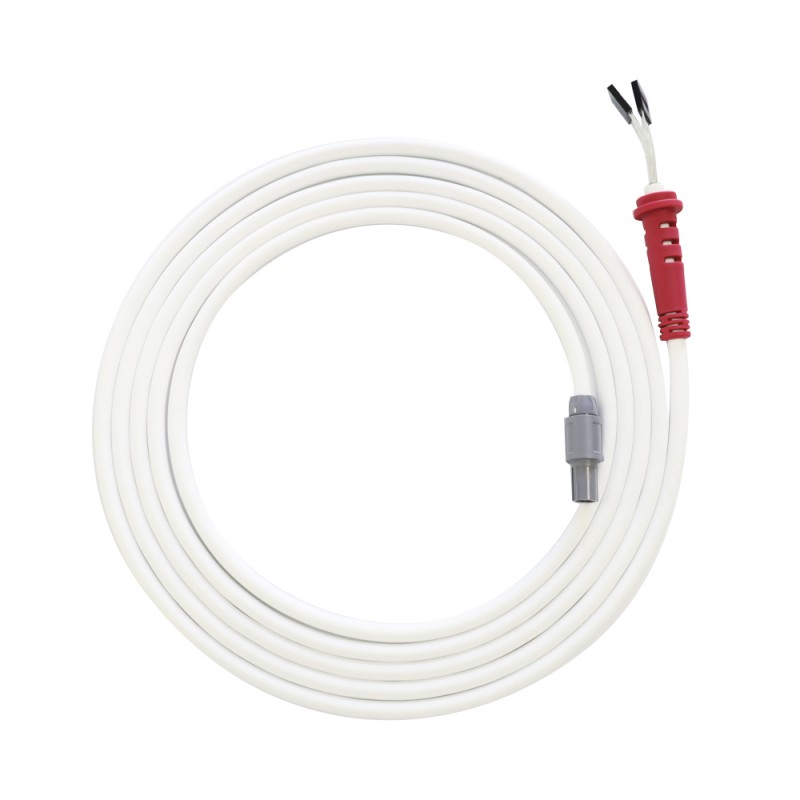
Medisinske kablassembleringer
Kabelsett for UAV og gimbaler
Høyhastighets-kabelforbindelser
Tilpasset konnektorterminering
OEM-kunder kan levere tegninger, prøver, konnektorartikkelnumre eller brukskrav for teknisk vurdering.
For høytdensitetskamera- og bilddanningsystemer bør den mest egnete kabelen velges basert på fullstendige elektriske og mekaniske krav, ikke bare på kabeldiameteren.
Et mikrokoaksialt kabelsett kombinerer én eller flere koaksialkabler med liten diameter med konnektores og termineringer for en spesifikk elektronisk applikasjon.
De kan hjelpe til å rute flere signalkanaler gjennom begrenset plass, samtidig som de gir en kontrollert koaksial overføringsstruktur som er egnet for den nødvendige elektriske ytelsen.
De kan være egnet for anvendelser som ultralyd og andre kompakte bildesystemer når kabelfremstillingen oppfyller de nødvendige elektriske, mekaniske og miljømessige kravene.
Ja. Avhengig av leverandørens produksjonskapasitet kan tilpasning inkludere kabellengde, kanalkonfigurasjon, lederstørrelse, skjerming, konnektortype, pinout, ytre mantel og avslutning.
Brukbar informasjon inkluderer anvendelsen, kabelform, antall kanaler, kabellengde, impedans, konnektor delnummer, pinout, skjermingskrav, mekaniske begrensninger og nødvendig testing.
Nei. Kabeldiameter er bare én designparameter. Elektriske egenskaper, dielektrisk struktur, impedans, skjerming, mekaniske krav og konnektordesign må også passe til anvendelsen.
Mikrokoaksialkabelmonteringer er stadig mer nyttige for elektroniske systemer som må kombinere høy signaltetthet med begrenset installasjonsplass .
Kameramoduler, medisinsk avbildningsutstyr, UAV-gimbal, robotteknikk og kompakt AI-hardware kan ha svært ulike krav, men de deler en felles ingeniørutfordring: å plassere pålitelige tilkoblinger i stadig mer kompakte systemarkitekturer.
Den rette løsningen er derfor ikke bare den minste tilgjengelige kabelen.
OEM-ingeniører bør vurdere hele monteringen, inkludert kabelforbygning, impedans, skjerming, kontaktsnitt, mekanisk ruting, fleksibilitet, testing og produksjonskrav.
For tilpassede prosjekter kan samarbeid med en kabelprodusent som kan vurdere kabel og montering sammen hjelpe til å redusere designiterasjoner og skape en mer praktisk vei fra prototype til produksjon.
 Siste nytt
2026-09-17
2026-09-04
2025-12-17
2025-12-11
2025-12-05