
Les ensembles de câbles et les faisceaux de fils sont souvent utilisés de façon interchangeable, mais ils ne désignent pas toujours la même chose.
Tous deux servent à organiser et à relier des signaux électriques ou de l’énergie entre différentes parties d’un dispositif ou d’un système. Toutefois, leur conception, les types de câbles employés, les exigences relatives aux connecteurs, les besoins en blindage ainsi que leurs applications typiques peuvent différer considérablement.
Pour les ingénieurs et les équipes achats des fabricants d’équipement d’origine (OEM), comprendre cette distinction est essentiel lors de la sélection d’un fournisseur ou de la demande d’un devis. L’emploi d’une terminologie inappropriée peut également compliquer la communication des exigences électriques et mécaniques réelles d’un projet.
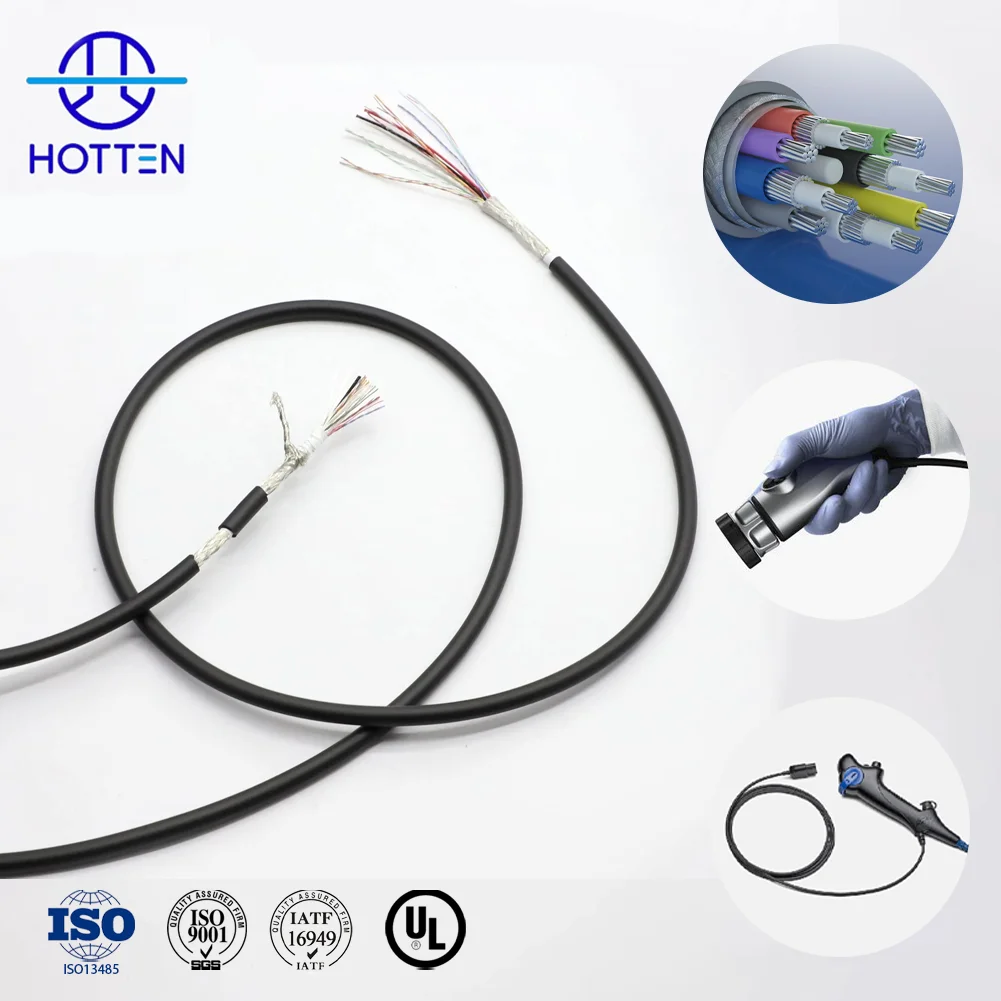
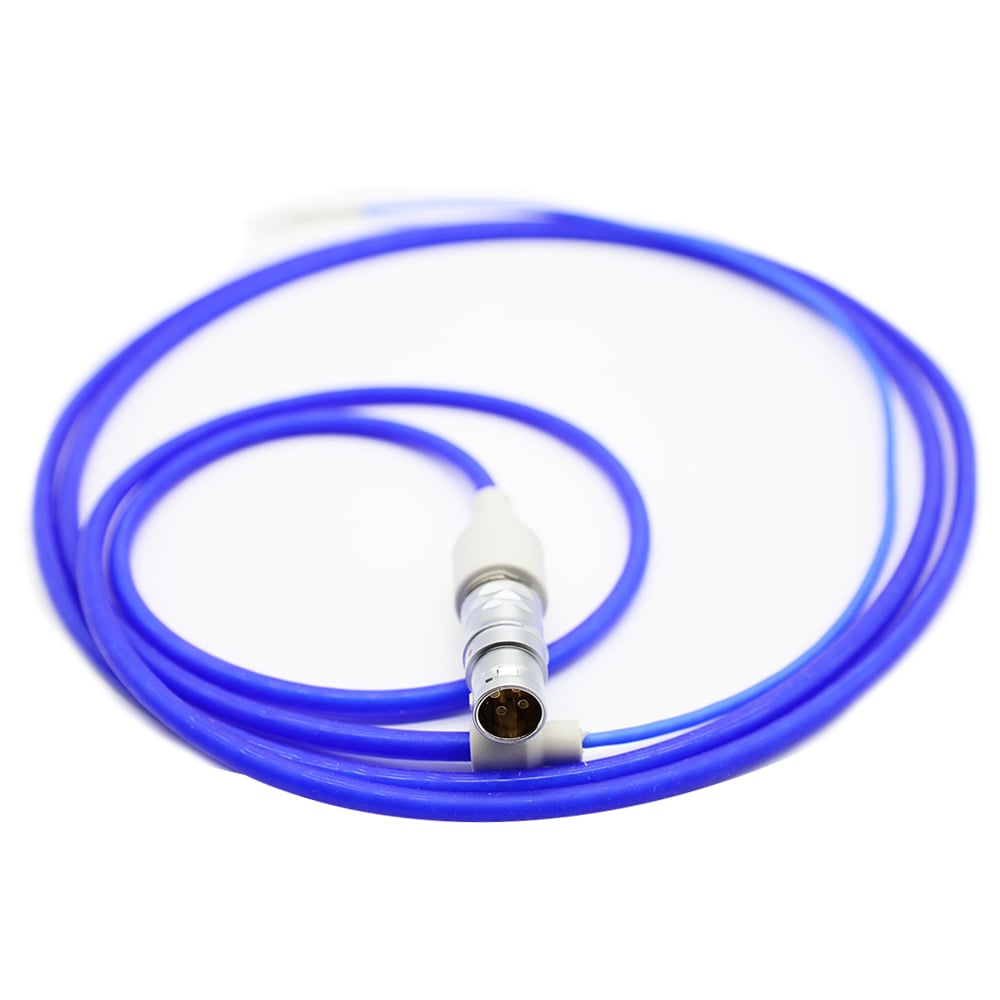
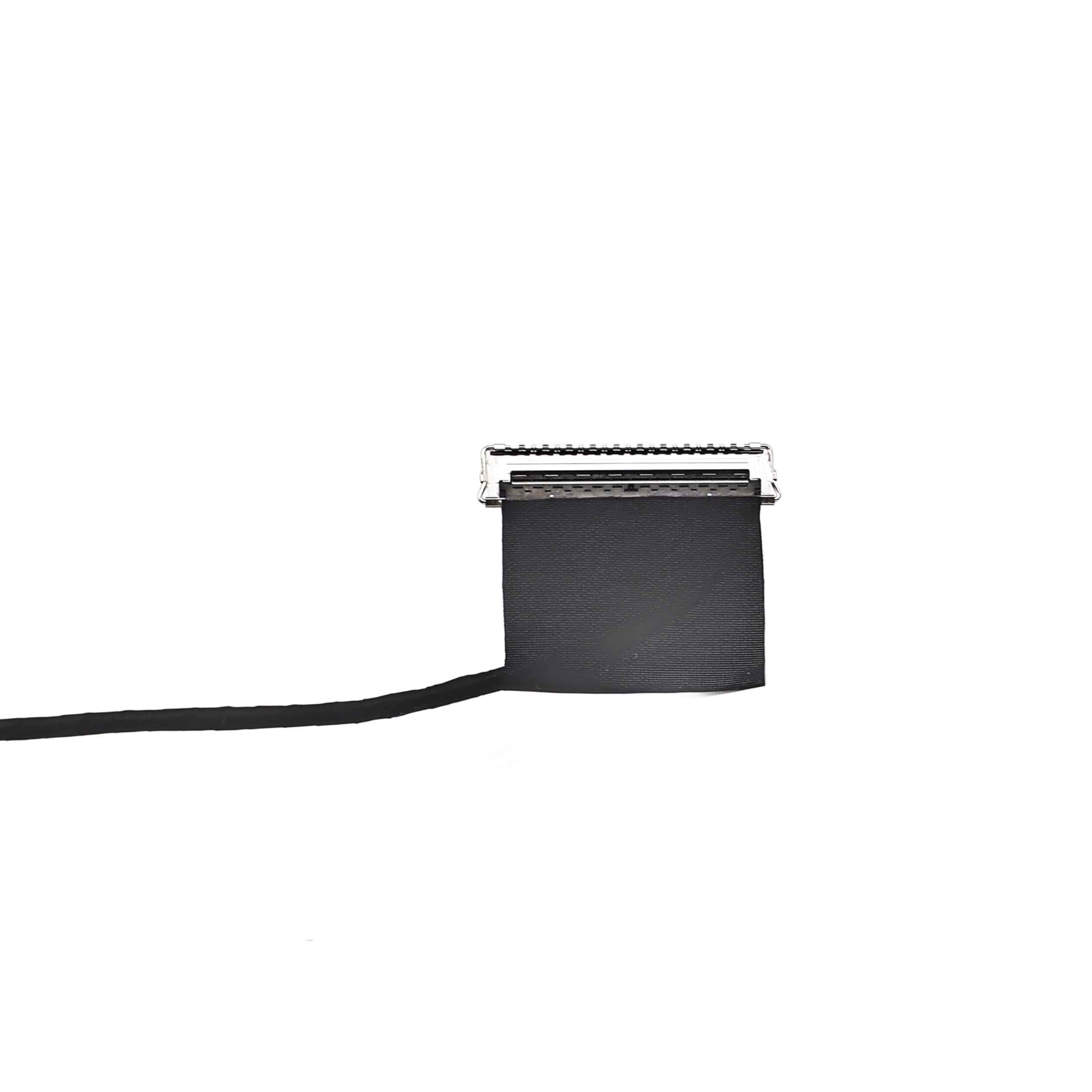
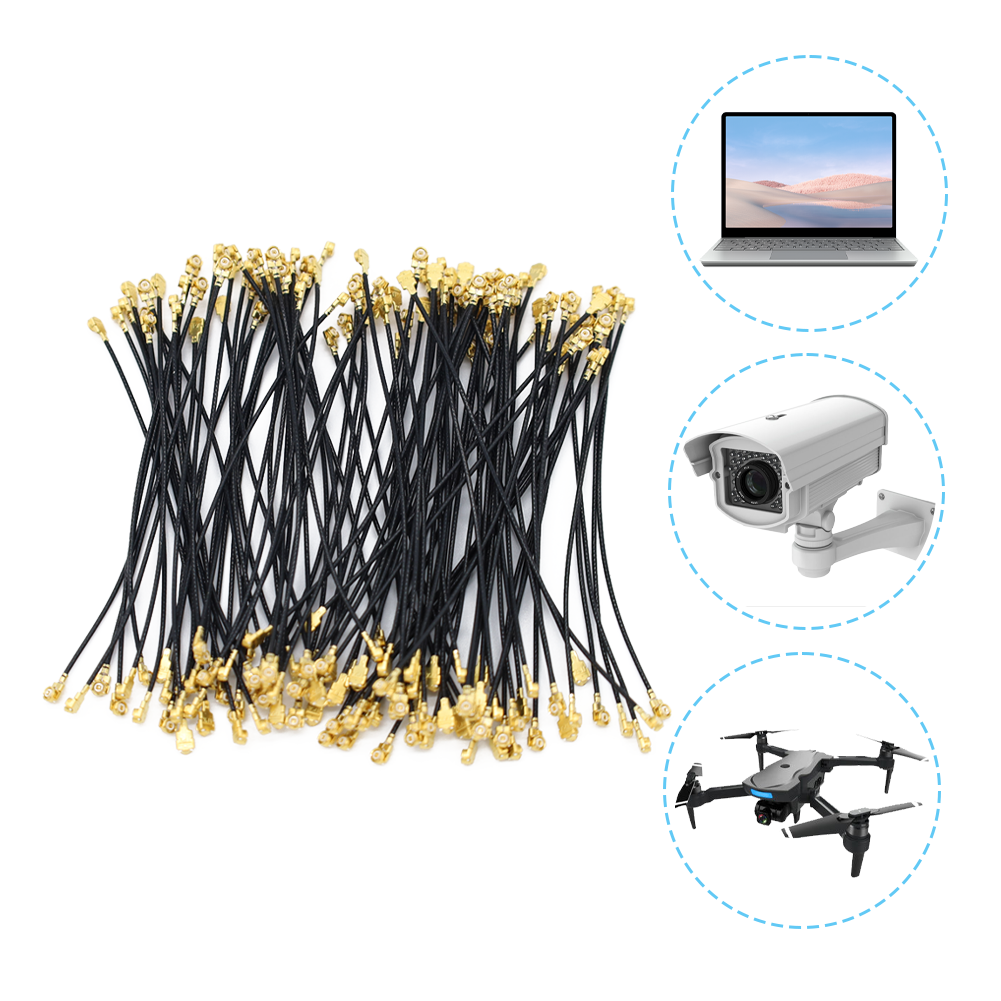
En termes simples, un assemblage de câbles est généralement un câble fini doté de connecteurs ou de cosses fixés à une ou aux deux extrémités.
Aharnais de fils est généralement un groupe de fils ou de câbles individuels regroupés et terminés de manière à ce que plusieurs circuits puissent être acheminés ensemble sous forme d’un seul ensemble.
La distinction n’est pas absolue. Dans l’industrie des câbles, les deux termes peuvent se chevaucher selon le fabricant et l’application.
| Élément | Assemblage de câbles | Harnais de fils |
|---|---|---|
| Structure de base | Un ou plusieurs câbles dotés d’extrémités terminées | Plusieurs fils ou câbles regroupés en un seul ensemble |
| Câble typique | Câbles coaxiaux, microcoaxiaux, à paires torsadées, haute vitesse, etc. | Fils individuels, câbles multicœurs, fils de signal et d’alimentation |
| But principal | Transmission de signaux ou d’énergie entre des points de connexion définis | Organisation et acheminement de plusieurs circuits |
| Connecteurs | Souvent une composante majeure de l’ensemble | Bornes, connecteurs, pinces et autres éléments de terminaison |
| Écran | Peut être critique pour les signaux haute vitesse ou RF | Dépend de l’application et des circuits individuels |
| Applications typiques | Imagerie médicale, radiofréquence, électronique haute vitesse, caméras | Robotique, équipements industriels, électronique grand public |
| Personnalisation | Type de câble, impédance, connecteur, longueur, terminaison | Sélection des fils, acheminement, ramification, bornes, connecteurs |
Le point le plus important est que la différence repose davantage sur la construction et l’application que sur le nom seul .
Un ensemble de câblage est un câble qui a été traité et terminé pour une application spécifique.
Au lieu d’acheter un câble en tant que matière première et d’installer les connecteurs séparément, un fabricant d’équipement d’origine (OEM) peut recevoir un ensemble fini, prêt à être intégré dans son équipement.
Un ensemble de câblage peut comprendre :
Câble à paires torsadées
Câble multicœur
Écran
Connecteurs
Terminaux
Contacts
Gestion des contraintes
Vestes ou gaines de protection
Par exemple, un appareil d’imagerie médicale peut nécessiter un ensemble de câbles coaxiaux microscopiques à haute densité comportant des dizaines de voies de signal miniatures et une configuration spécifique de connecteurs.
Une caméra de drone peut nécessiter un ensemble de câbles léger et flexible reliant la caméra, la nacelle stabilisée (gimbal) et l’électronique de commande.
Le câble lui-même ne constitue souvent qu’une partie de la solution technique. Le choix des connecteurs, la qualité des terminaisons, les exigences en matière de flexion, le blindage, les performances électriques et les dimensions mécaniques peuvent tous influer sur l’assemblage final.
Un faisceau de fils est généralement conçu pour regrouper plusieurs fils ou câbles individuels en un ensemble électrique organisé.
Son objectif n’est pas simplement de transmettre un seul signal. Un faisceau peut acheminer plusieurs circuits à travers l’équipement tout en maintenant l’organisation du câblage et en réduisant la complexité de l’installation.
Un faisceau de fils peut contenir :
Des fils simples
Des fils multiconducteurs
Les câbles électriques
Des fils de signal
Câbles de terre
Connecteurs
Terminaux
Points de branchement
Manchons ou gaines protectrices
Colliers ou composants de fixation
Par exemple, un système robotique peut nécessiter plusieurs connexions d’alimentation, de commande, de capteurs et de communication. Au lieu d’installer chaque câble séparément, ces circuits peuvent être regroupés dans un faisceau de câbles sur mesure.
Cela simplifie l’installation et la maintenance, et permet de mieux maîtriser l’acheminement des multiples connexions à l’intérieur de l’équipement.
Il n’existe aucune règle universelle que tous les fabricants appliquent systématiquement lorsqu’ils emploient les termes « assemblage de câbles » et « faisceau de câbles ».
Certains fournisseurs utilisent assemblage de câbles pour presque tout produit de câble terminé.
D’autres utilisent harnais de fils lorsqu’un ensemble contient plusieurs câbles, branches, bornes ou un acheminement complexe.
Il peut également exister des produits hybrides.
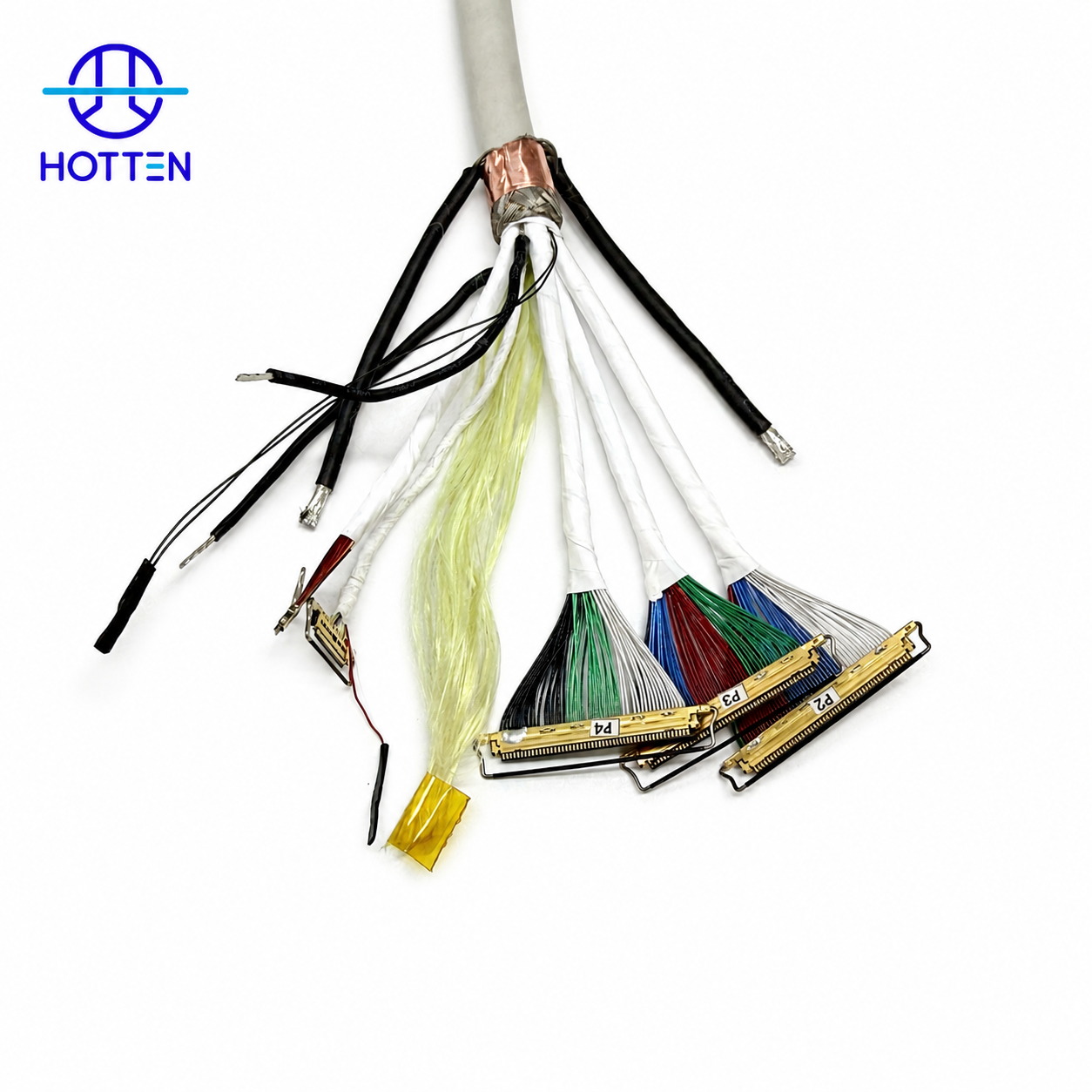
Par exemple, un ensemble peut comprendre plusieurs câbles coaxiaux miniatures, des câbles d’alimentation, un blindage et plusieurs types de connecteurs. Selon le fournisseur, il peut être désigné comme un ensemble de câbles, un faisceau de câbles ou un faisceau de câbles hybride.
Pour les achats, le mode de construction réel et les exigences sont plus importantes que le nom du produit .
Un ensemble de câbles constitue souvent un bon choix lorsque le projet implique une connexion définie entre deux composants ou plus, et que les performances électriques du câble revêtent une importance particulière.
Des exemples typiques incluent :
Les équipements d’imagerie médicale peuvent nécessiter des ensembles de câbles compacts et flexibles, dotés d’une forte densité de signaux.
Les sondes d’échographie constituent un exemple où de nombreux canaux de signal doivent s’intégrer dans une structure de câble réduite et souple.
Les ensembles de câbles coaxiaux miniatures peuvent être envisagés lorsque l’espace est limité et que l’isolation des signaux ainsi que les caractéristiques électriques contrôlées sont importantes.
Les applications RF peuvent exiger une impédance caractéristique contrôlée, un blindage et des terminaisons soigneusement conçues.
L’ensemble de câbles doit donc être considéré comme un chemin de transmission complet, et non simplement comme un morceau de câble équipé de connecteurs.
Selon l’application, les exigences peuvent inclure :
Impédance cible
Affaiblissement
Perte de retour
Résultats de la recherche
Écran
Interface de connecteur
Fréquence de fonctionnement
Ces exigences doivent être définies en fonction du système réel et des conditions d’essai.
Les interfaces haute vitesse sont sensibles à l’intégrité du signal.
Le choix du câble, le choix du connecteur, la longueur du câble, le contrôle de l’impédance, le blindage et la terminaison peuvent tous influencer les performances du système.
Pour ce type de projet, un constructeur d’équipement d’origine (OEM) peut tirer avantage de la collaboration avec un fournisseur capable d’évaluer le câble et le connecteur comme un ensemble unique.
Un faisceau de câbles est souvent plus adapté lorsque le système comporte plusieurs circuits devant être acheminés et connectés ensemble.
Applications typiques incluent :
La robotique
VANT et drones
Électronique Grand Public
Caméras et cardans
Équipements de contrôle
Modules électroniques
Systèmes électromécaniques compacts
Par exemple, une articulation robotique peut comporter l’alimentation du moteur, les signaux de l’encodeur, les connexions des capteurs et les lignes de communication.
Un faisceau sur mesure peut organiser ces connexions dans une structure d’acheminement définie, tout en tenant compte de l’espace disponible, des courbures, des mouvements, des positions des connecteurs et des exigences d’installation.
Le choix ne doit pas toujours être exclusif.
Les systèmes électroniques modernes exigent de plus en plus des assemblages combinant différents types de câbles et de fils.
Un assemblage sur mesure pourrait inclure :
Câbles coaxiaux microscopiques pour signaux haute fréquence
Fils fins pour connexions à faible intensité de courant
Conducteurs d’alimentation
Lignes de signal blindées
Plusieurs Types de Connecteurs
Ce type de conception peut s’avérer particulièrement utile lorsque l’espace disponible pour l’installation est limité.
Au lieu de considérer chaque câble comme un composant distinct, le fournisseur peut développer un ensemble combiné en fonction des exigences réelles d’interface et de routage de l’équipement.
Qu’il s’agisse d’un ensemble de câblage ou d’un faisceau de fils, le fournisseur a besoin d’informations techniques suffisantes pour déterminer si la conception est réalisable industriellement.
Un devis détaillé utile doit normalement inclure les informations suivantes :
| Exigence | Informations d’exemple |
|---|---|
| Application | Dispositif médical, drone, robotique, système d’imagerie |
| Type de câble | Coaxial microscopique, coaxial, paire torsadée, fil fin |
| Nombre de circuits | Chemins de signal ou d’alimentation requis |
| Longueur du câble | Longueur finale de l'assemblage |
| Connecteur | Modèle, série ou plan du connecteur |
| Exigences électriques | Impédance, tension, courant, fréquence, atténuation |
| Écran | Blindage en feuille, en tresse, individuel ou global |
| Exigences mécaniques | Rayon de courbure minimal, souplesse, espace de routage |
| Environnement | Exigences relatives à la température, à l’humidité, au nettoyage ou à la stérilisation |
| Terminaison | Sertissage, brasage, soudage ou autre procédé |
| Essais | Tests de continuité, d’isolation, d’impédance, RF ou autres tests spécifiques au projet |
| Quantité | Prototype, production pilote ou production de masse |
Plus les informations sont précises, plus il est facile pour le fournisseur d’évaluer la conception et de fournir un devis pertinent.
Pour les projets OEM, HOTTEN se concentre sur des solutions électroniques sur mesure pour câbles et ensembles de câbles, plutôt que de traiter chaque projet comme un produit standard prêt à l’emploi.
Selon l’application, l’ensemble peut être développé en fonction de critères tels que :
Construction miniaturisée du câble
Câble coaxial micro
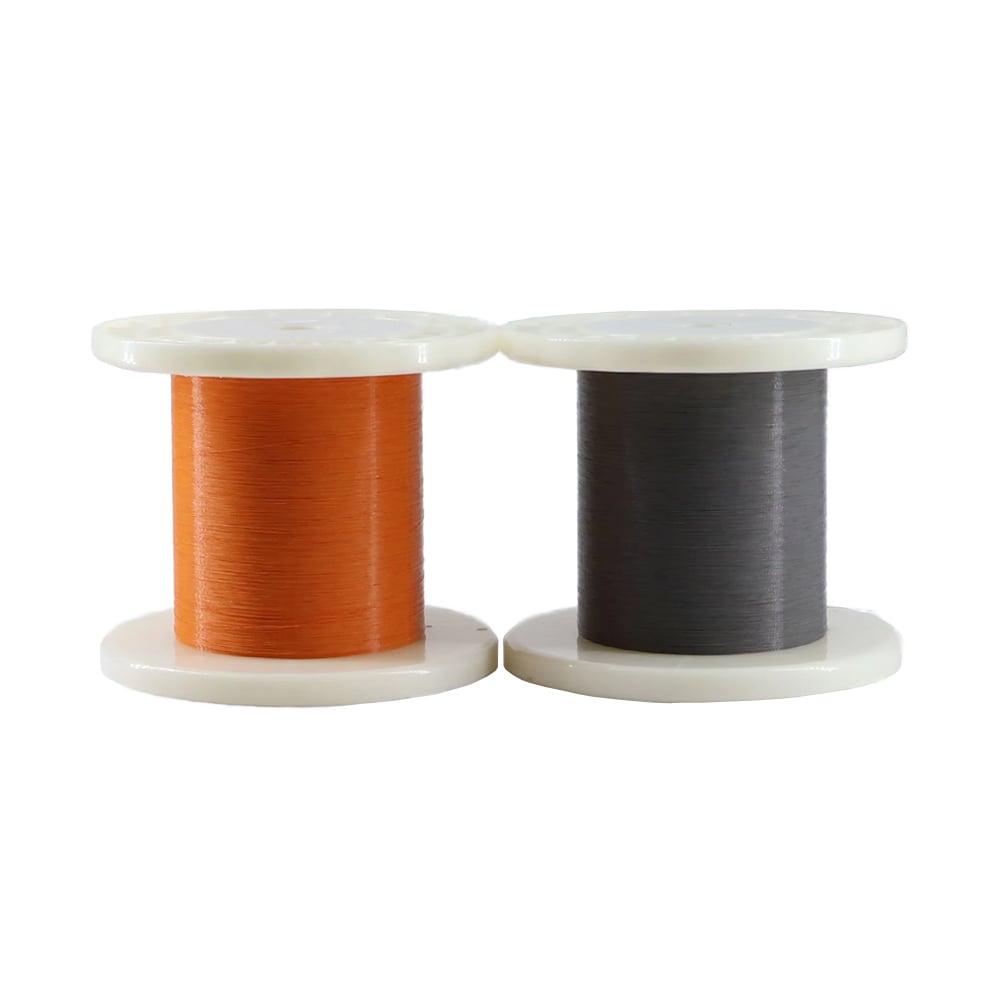
Fil électronique ultra-fin
Transmission de signaux haute densité
Acheminement flexible des câbles
Terminaison des connecteurs
Exigences en matière de blindage
Longueur et configuration personnalisées du câble
Pour les applications médicales, les drones (UAV), la robotique, l’électronique grand public et les hautes fréquences, la structure du câble doit être étudiée conjointement avec l’espace disponible dans l’équipement, les exigences en matière de signal, les mouvements mécaniques et les interfaces de connexion.
Cette approche centrée sur l’application est particulièrement importante lorsque les câbles standards figurant dans les catalogues ne répondent pas aux exigences de taille, de souplesse, de densité ou de terminaison de l’équipement.
Il n’existe pas de réponse universelle.
Choisissez un assemblage de câbles lorsque le projet exige principalement une connexion de câble définie présentant des caractéristiques électriques ou de transmission spécifiques.
Choisissez un harnais de fils lorsque plusieurs câbles, circuits, branches ou connexions doivent être organisés en un seul ensemble prêt à être installé.
Si le produit comprend les deux types de structures, un ensemble hybride personnalisé peut s’avérer plus approprié.
Pour les équipes achats des équipementiers d’origine (OEM), la question pertinente n’est donc pas simplement :
« Ai-je besoin d’un ensemble de câblage ou d’un faisceau de câbles ? »
Posez-vous plutôt la question suivante :
« Quelles exigences électriques, mécaniques, relatives aux connecteurs, au routage et à l’environnement l’ensemble fini doit-il satisfaire ? »
Ces informations fournissent au fournisseur une base bien plus claire pour l’examen technique et l’établissement du devis.
Pas nécessairement. Un ensemble de câblage désigne généralement un câble ou un groupe de câbles terminés, tandis qu’un faisceau de câbles organise habituellement plusieurs câbles ou circuits en un seul ensemble. Toutefois, la terminologie industrielle varie et les deux termes peuvent se chevaucher.
La principale différence réside généralement dans leur conception et leur usage. Les ensembles de câbles visent souvent une connexion définie pour un signal ou une alimentation, tandis que les faisceaux de fils servent couramment à organiser et acheminer plusieurs circuits électriques.
Oui. Un faisceau sur mesure peut intégrer différents types de câbles et de fils, y compris des câbles coaxiaux ou blindés, selon l’application.
Oui. Les ensembles de câbles OEM peuvent être personnalisés selon le type de câble, la longueur, le connecteur, le blindage, les exigences électriques, les dimensions mécaniques et d’autres critères spécifiques au projet.
Cela dépend du dispositif. Les applications d’imagerie haute densité peuvent nécessiter des ensembles de câbles spécialisés, tels que des ensembles de câbles micro-coaxiaux, tandis que les équipements comportant plusieurs circuits d’alimentation, de commande et de signal peuvent recourir à une structure de faisceau plus complexe.
Fournissez au minimum l’application, le type de câble ou de fil, la longueur, les informations relatives aux connecteurs, le nombre de circuits, les exigences électriques, les contraintes mécaniques, les conditions environnementales, les essais requis et la quantité attendue.
Les assemblages de câbles et les faisceaux de fils remplissent des fonctions similaires, mais ils sont conçus en fonction de types différents d’exigences électriques et mécaniques.
La terminologie peut varier d’un fournisseur à l’autre ; les acheteurs OEM doivent donc accorder moins d’importance au nom utilisé et davantage à la construction réelle, à la technologie des câbles, aux connecteurs, aux performances électriques, au routage, à la flexibilité et aux exigences d’essai.
Pour les projets impliquant câbles coaxiaux miniatures, fils ultrafins, équipements médicaux, drones (UAV), robots, électronique haute vitesse ou autres systèmes à contrainte d’espace , un assemblage personnalisé peut souvent offrir un ajustement supérieur à celui d’un câble standard.
HOTTEN fournit des solutions sur mesure de câbles et d’ensembles de câblage pour les applications OEM, notamment les micro-coaxiaux, les câbles fins, les applications médicales, les drones (UAV), la robotique et l’électronique haute vitesse.
Vous avez besoin d’un ensemble de câblage personnalisé ? Contactez HOTTEN avec vos plans, vos spécifications ou vos échantillons afin d’obtenir une évaluation technique et un devis.
 Actualités chaudes
2026-09-17
2026-09-04
2025-12-17
2025-12-11
2025-12-05





 EN
EN