 EN
EN
Quick Links

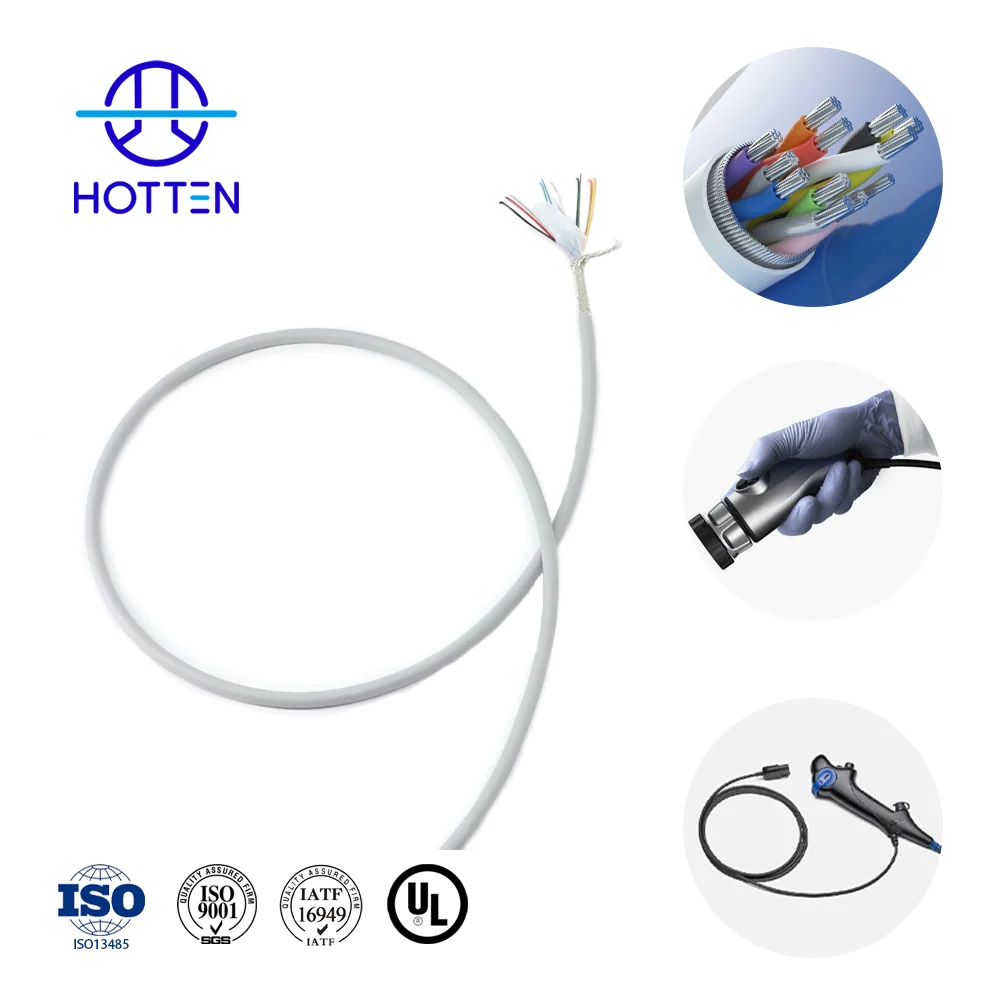
The demand for high-density electronic packaging is increasing rapidly, due to the high rate of development of medical diagnostics and minimally invasive surgery. Devices such as ultrasound probes, endoscopes, and intravascular catheters must accommodate dozens of signal channels within a space roughly the size of a pencil. These systems increasingly rely on micro coaxial cables to maintain signal clarity while meeting stringent anatomical and mechanical requirements. These compact cables combine effective shielding with ultra-small dimensions, enabling the development of next-generation medical devices.
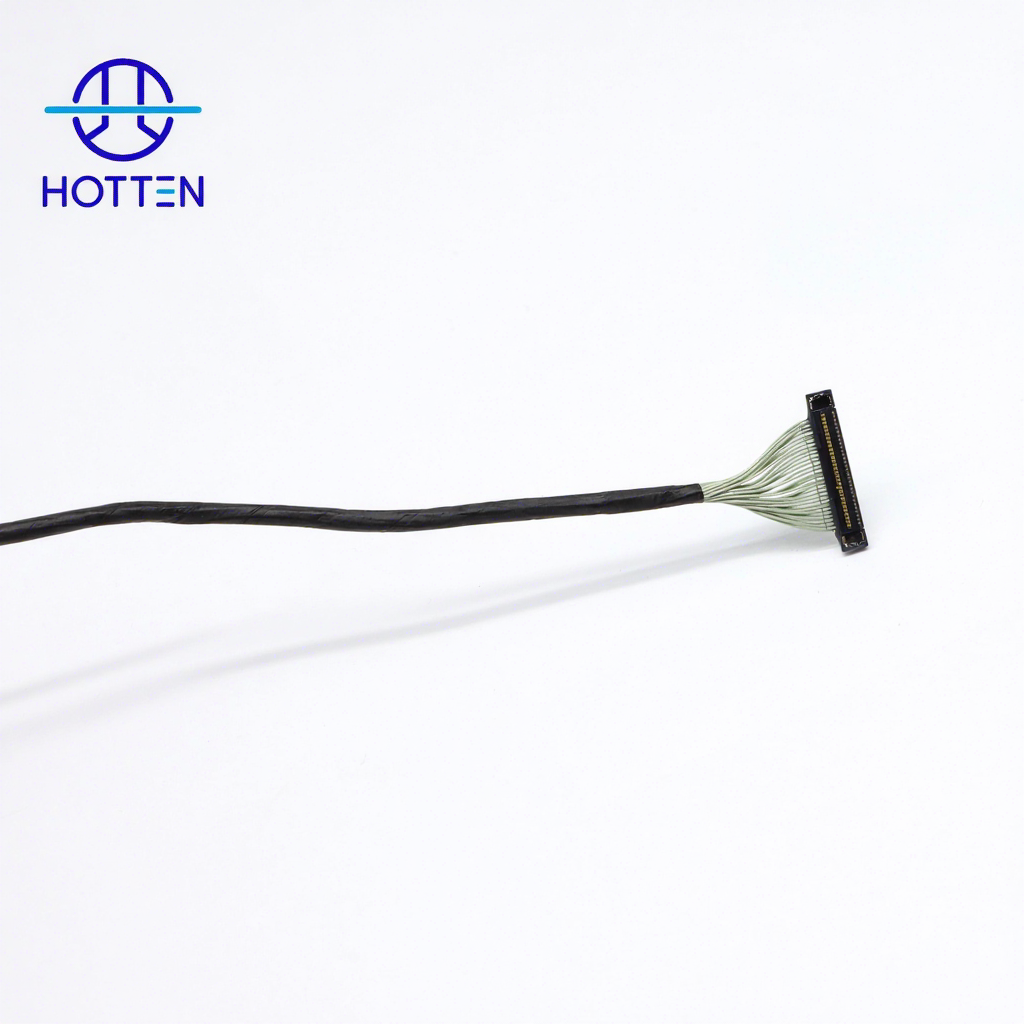
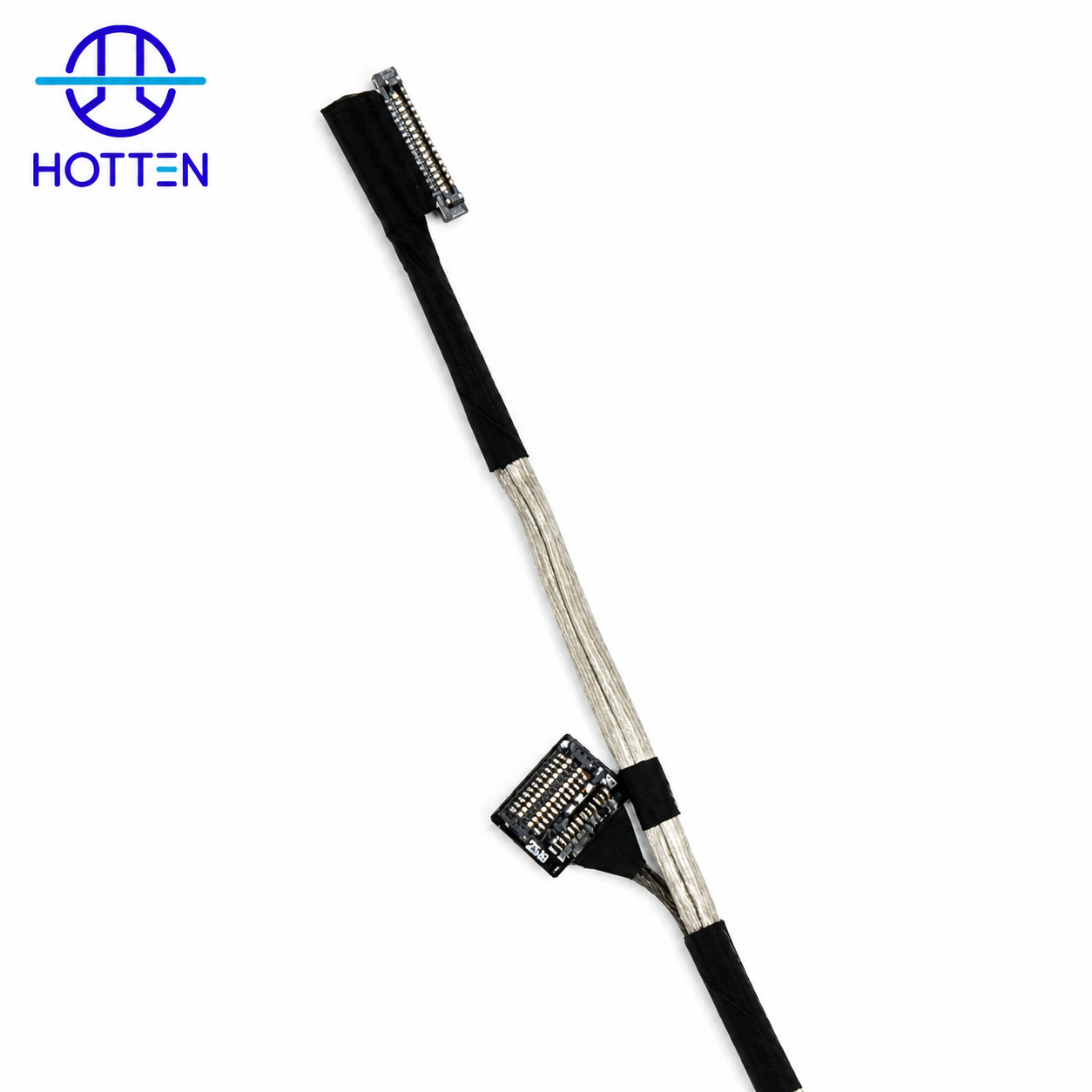
Modern medical devices leave very limited space for internal wiring. Multiple imaging transducers, position sensors and control lines need to be enclosed within a few millimeters in a typical handle or endoscope. Micro coaxial cables solve this space constraint, with outer diameters as small as 0.215 mm and conductor sizes as fine as 32–50 AWG. This extreme miniaturization allows 20, 30, or even more signal lines to be integrated into a single device shaft without altering the mechanical structure. Every year the Hotten R&D team develops over 300 new cable specifications, ranging from conductor count to spacing and insulation, made to the dimensional specifications of each medical application. Our micro coaxial solutions are designed to support high channel density within compact device architectures, from ICE catheters that cross cardiac chambers to robotic surgical arms with multiple camera feeds.
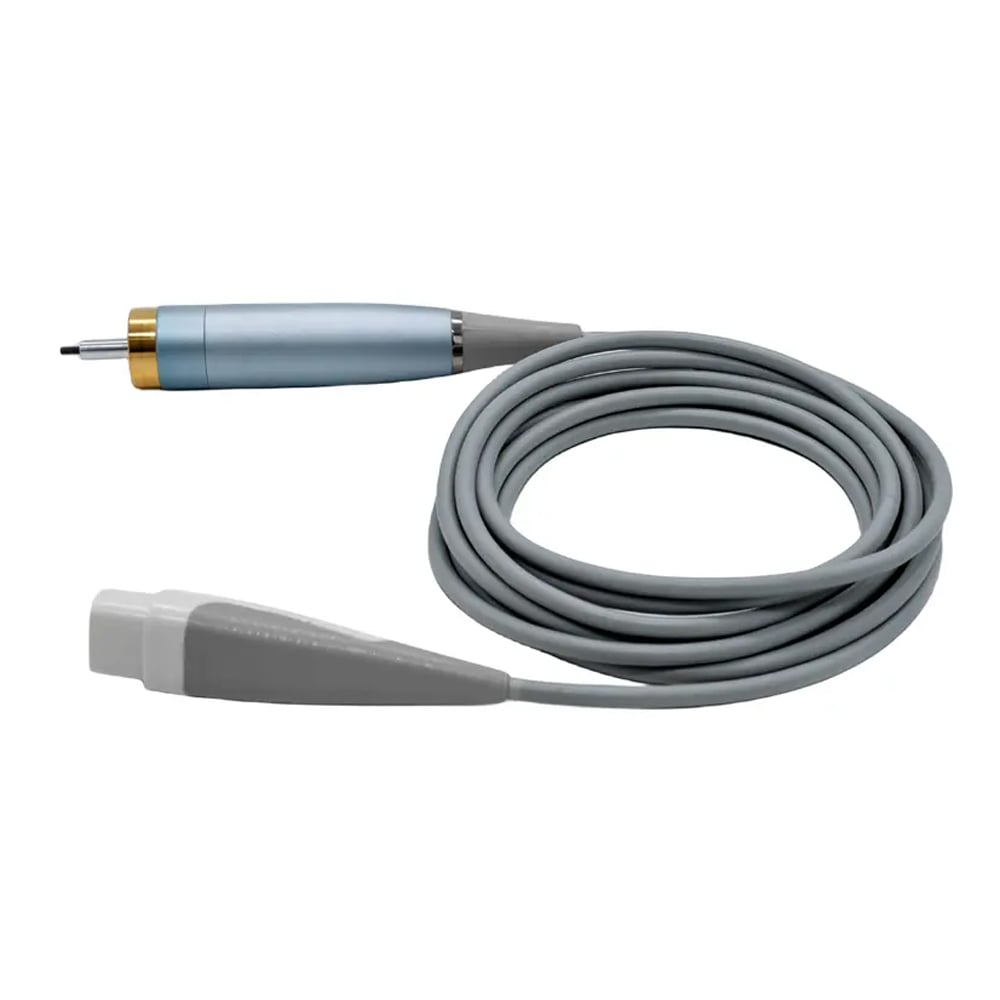
Medical imaging systems require a clean signal path, as even a small amount of noise can obscure critical diagnostic information. A coaxial cable consists of an inner conductor, a dielectric, and an outer conductor (shield) which provides inherent protection against electromagnetic interference (EMI) from adjacent motors, power supplies and wireless devices. High density devices, however, require even more: dozens of cables run in parallel in a close bundle and crosstalk becomes a significant concern. To cope with this, Hotten employs precise impedance control, controlled twist pitch, and advanced shielding technologies, such as silver-plated copper braid and aluminum foil wrapping. Our low-loss insulation materials like FEP and PFA help to minimize attenuation at high frequencies, helping preserve image clarity and minimize artifacts throughout signal transmission. The timing errors, for instance, in applications like ultrasound probe cables, LVDS harnesses for endoscopic cameras, and RF ablation cables can have critical clinical implications.
Medical devices are one of the most challenging devices in the electronics business. Reusable medical devices may undergo repeated cleaning, disinfection, or sterilization cycles, while disposable devices may have different material and shelf-life requirements and cables must be capable of doing so without degradation, as well as surviving the chemicals used in the sterilization process such as autoclave steam, ethylene oxide and hydrogen peroxide plasma. They must maintain consistent performance throughout years of use. Hotten engineers select materials based on flexibility, durability, and service life–TPU and silicone can be considered where flexibility and abrasion resistance are important, while materials such as PEEK and FEP may be selected when higher thermal or chemical resistance is required. The manufacturing facility is over 40 units in production, over 10,000 m² of work space and has in place strict quality controls including 100% continuity testing and visual inspection. These capabilities help ensure that all 144 million meters of cable produced annually meet the specifications required for high-flex applications – such as surgical scalpel cables, EEG cables and dental sensing cables.
As medical technologies continue to evolve, so do the requirements for medical cables. Applications that are still being developed, such as AR/VR surgical navigation, robotic-assisted telesurgery, and AI-powered diagnostic systems, require even greater data rates and more complex signal routing. Through close working relationships with medical device manufacturers from concept to production, Hotten provides custom solutions tailored to application requirements beyond the capabilities of standard off-the-shelf products. We create bundled and ribbonized micro coaxial assemblies for easier device integration, develop hybrid cables that combine power and signal transmission, and produce ultra-low-capacitance versions for high-frequency digital signals such as USB4 and RF transmission. Our R&D team creates more than 300 new cable designs each year, positioning us to support the development of next-generation medical technologies. Whether you need a high-flex IVUS cable, a low-capacitance ICE cable, or another compact medical interconnect, Hotten provides engineering solutions to translate your clinical requirements into reliable, manufacturable cable solutions, helping our customers maximize patient care with the power of technology.
 Hot News
2026-09-17
2026-09-04
2025-12-17
2025-12-11
2025-12-05